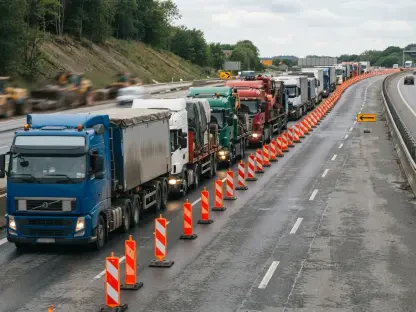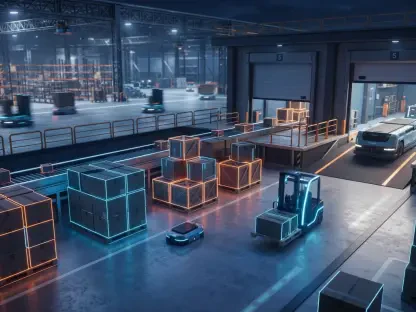

An immense investment gap persists between large-scale logistics leaders and smaller enterprises that lack the capital and infrastructure needed to transition to alternative fuel vehicles. As the industry moves through 2026, the European road logistics sector is witnessing a stark divergence in how different players navigate the demands of decarbonization. While heavy-duty electrification is no longer a distant prospect, the financial burden of this transformation is not being shared equally across the board. Multinational corporations with robust balance sheets are currently spearheading the movement, utilizing their vast resources to establish the initial frameworks for a greener future. This dual-track transition highlights a critical reality where the pace of environmental progress is inextricably linked to the availability of massive capital reserves. By setting the pace for vehicle procurement and infrastructure development, these market leaders are effectively de-risking the broader ecosystem, creating a pathway for the eventual participation of smaller operators who currently remain on the periphery of this technological shift.
Bridging the Investment Gap: Disparities and Readiness
Strategic Disparities in Fleet Electrification
The transition toward alternative fuel vehicles is currently characterized by a widening divide between industry giants and small to medium-sized enterprises. Data from the International Road Transport Union’s 2026 Green Compact survey underscores this reality, revealing that 87% of companies with annual turnovers exceeding EUR 100 million are fully prepared to invest in battery-electric heavy-duty vehicles. In contrast, only 26% of smaller operators have expressed similar intentions, primarily due to the prohibitive nature of the initial capital outlay required for such a transition. This disparity is not merely a reflection of corporate will but is a direct consequence of the structural financial barriers that exist within the logistics market. Smaller firms often lack the credit facilities or the cash reserves necessary to navigate the high acquisition costs of electric trucks, which can remain significantly more expensive than their traditional diesel counterparts. Consequently, the burden of early adoption has fallen almost entirely on large-scale leaders who possess the institutional stability to absorb these costs.
Economic Barriers to Small Enterprise Readiness
Beyond the immediate cost of vehicle acquisition, small enterprises face substantial operational risks that complicate their transition to green transport. The uncertainty surrounding residual values for used electric vehicles, combined with the lack of specialized maintenance networks, creates a high-risk environment for firms that operate on thin margins. For a small fleet owner, a single failed technological investment could result in terminal financial distress, making the “wait-and-see” approach a rational economic choice. However, the presence of scale leaders is beginning to mitigate some of these concerns by fostering a more predictable market environment. When large corporations place sustained, high-volume orders, they provide manufacturers with the demand certainty needed to scale production lines and refine vehicle performance. Over time, this industrial scaling is expected to lower unit costs and improve the reliability of green technologies, eventually creating a secondary market that is accessible to smaller operators who cannot afford the risks associated with being early technological pioneers.
Ecosystem Development: Strategic De-Risking and Planning
The Role of Scale Leaders in Market Confidence
Large-scale corporate commitments serve as the primary engine for building market confidence in alternative fuel technologies. A prominent example is the ongoing EUR 1 billion initiative to electrify European delivery networks, which has already resulted in the deployment of over 10,000 electric vans and hundreds of heavy-duty electric trucks. These figures represent more than just internal carbon reduction targets; they act as a signal to the entire supply chain that the transition is both permanent and commercially viable. By absorbing the initial technical challenges and high costs of first-generation electric fleets, these companies are effectively funding the industry’s learning curve. This sustained investment allows vehicle manufacturers and infrastructure providers to invest in long-term research and development, knowing that there is a guaranteed market for their products. This centralized demand mobilization is essential for overcoming the fragmentation that typically characterizes the road transport sector, ensuring that green logistics moves from a niche endeavor to a mainstream industrial standard.
Collaborative Infrastructure and Shared Data Planning
Successful electrification requires more than just new vehicles; it demands a total synchronization between transport operations and energy grid capabilities. To address this challenge, industry players have increasingly turned to open-source collaborative tools such as CHALET, which aggregates vast amounts of operational data to pinpoint the most effective locations for charging infrastructure. This data-driven approach allows for the strategic placement of megawatt charging stations along major logistics corridors, ensuring that investments are focused where they will have the greatest impact. Rather than relying on speculative infrastructure growth, companies are using actual route data to provide grid operators with clear signals regarding future power requirements. This collective intelligence model helps solve the perennial “chicken-and-egg” problem by ensuring that high-capacity chargers are available exactly when and where fleets need them. Furthermore, these collaborative efforts are expanding into shared investment models, where multiple freight buyers coordinate their requirements to accelerate the rollout of public and semi-public charging networks.
Infrastructure Integration: Energy and Industrial Impact
Energy Sector Synergy and Freight Corridor Pilots
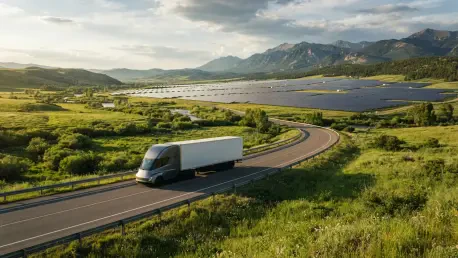
The green transition in road transport is increasingly serving as a catalyst for broader energy sector transformation through the use of long-term power purchase agreements. These agreements provide renewable energy developers with the financial certainty needed to build new wind and solar capacity, effectively greening the entire electricity grid while powering logistics fleets. This synergy is most evident in the development of dedicated electric freight corridors, such as the major pilot program currently being finalized for the Polish transport network. These corridors involve the parallel deployment of heavy-duty electric trucks and high-capacity charging hubs along the continent’s most critical transit routes. By integrating transport needs with regional energy planning, these projects ensure that the sudden increase in electricity demand does not overwhelm local grids. Instead, they act as anchor tenants for new renewable projects, providing a stable source of revenue that benefits households and other industrial sectors. This integrated approach transforms road transport from an isolated polluter into a core component of a modern, decarbonized energy ecosystem.
Industrial Competitiveness and Economic Resilience
The road transport industry successfully initiated a multi-layered strategy that prioritized collaborative investment over isolated expenditure. Stakeholders utilized high-capacity charging corridors and data-driven planning tools to stabilize the market during the initial phases of the transition. To maintain this momentum, regulators and private firms implemented leasing structures that lowered entry barriers for smaller partners, allowing them to lease electric fleets from larger management companies. This shift in the logistics landscape proved that large-scale capital served as a necessary catalyst for collective progress, supporting over 144,000 jobs and generating billions in gross value added across the continent. Moving forward, the focus shifted toward universal grid access and the standardization of megawatt charging systems across all European corridors. Policy frameworks were adjusted to incentivize the secondary market for electric trucks, ensuring that initial corporate investments yielded long-term benefits for every tier of the logistics chain. The successful integration of energy and transport sectors established a blueprint for other heavy industries to follow in the pursuit of net-zero goals.