
The transition to automated material flow is made more accessible by systems that can be integrated into existing warehouses with minimal disruption to current processes. As global supply chains face mounting pressure to deliver faster and more accurately, the alliance between Jungheinrich and Automha emerges as a significant response to these industry demands. This strategic partnership centers on the development and deployment of the UP-Carrier GTJ, a sophisticated two-way pallet shuttle specifically engineered for high-density storage environments. By merging the specialized engineering prowess of an Italian specialist with the global service infrastructure of a logistics giant, the collaboration addresses a critical gap in the market. It provides a viable entry point for small to mid-sized enterprises that previously found the cost and complexity of full automation prohibitive. This initiative focuses on practical, scalable solutions that prioritize immediate productivity gains while maintaining long-term flexibility and efficiency.
Optimizing Logistics With Strategic Shuttle Innovation
High-Density Engineering: Hardware and Global Performance
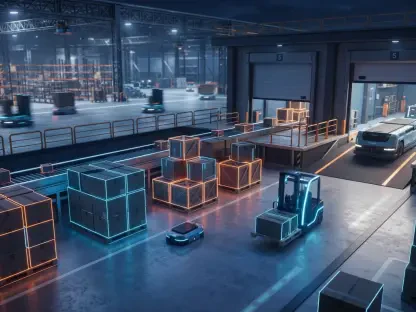
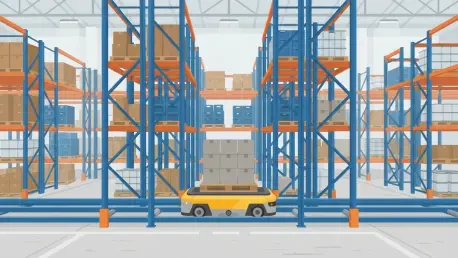
The UP-Carrier GTJ represents a pinnacle of collaborative engineering, designed to operate within racking systems where space is at a premium. Unlike traditional storage methods that require wide aisles for forklift maneuvers, this shuttle system moves pallets independently within deep channels, maximizing the total volume of used warehouse space. The integration of Automha’s deep technical knowledge in shuttle mechanics allows for a device that is both robust and highly responsive to real-time inventory demands. This hardware functions as the core component of a high-performance system that ensures rapid retrieval and placement of goods, which is essential in high-throughput sectors like food distribution or pharmaceuticals. By reducing the reliance on manual aisle travel, companies can realize a significant reduction in energy consumption and operational costs. The focus remains on providing a tool that is not only mechanically superior but also easy to maintain through a global support network that ensures maximum uptime.
One of the most remarkable aspects of this collaboration is the rapid development cycle that brought the solution to market in just nine months. This speed reflects a modern approach to industrial innovation where agile development meets traditional manufacturing excellence. The result is a product that has already seen successful implementation across more than 200 projects spanning 25 different countries by the start of 2026. Such a broad adoption rate underscores the reliability and versatility of the shuttle system in various regional markets and regulatory environments. By leveraging a unified engineering standard, the partnership ensures that every deployment maintains the same level of quality and performance regardless of geographic location. This consistency is vital for international logistics providers who need standardized solutions across their entire global footprint. The project demonstrated that when industry leaders align their technical objectives, they can overcome common development bottlenecks and deliver innovative technology faster.
Modular Integration: Transitioning to Autonomous Material Flow
A major barrier to automation has historically been the “all or nothing” approach, which often requires massive upfront capital expenditure and long-term facility shutdowns. This partnership addresses that challenge by offering a clear migration path that allows businesses to automate in stages. In the initial phase, the shuttle system can be integrated to work alongside manual industrial trucks, improving storage density without replacing existing labor or equipment immediately. As operational requirements grow from 2026 into the future, the system is designed to scale seamlessly with the addition of more autonomous components. For instance, the introduction of Jungheinrich Mobile Robots can eventually take over the transport of pallets between the shuttles and the shipping dock. This modularity ensures that the investment remains aligned with the company’s actual growth and cash flow. It empowers warehouse managers to make incremental improvements that provide immediate ROI, building a foundation for a fully automated facility that can be realized over time.
The implementation of these flexible systems provided a blueprint for how legacy warehouses successfully modernized their operations to stay competitive. Decision-makers recognized that the most effective path forward involved a combination of modular hardware and sophisticated integration services that respected existing infrastructure. It was concluded that the ability to scale automation at a controlled pace allowed for better risk management and more stable financial planning throughout 2026. For organizations looking to mirror this success, the first actionable step was identifying high-density storage areas where manual intervention caused the most significant bottlenecks. Future considerations included the integration of artificial intelligence to further optimize shuttle movements and predictive maintenance schedules based on real-time sensor data. By adopting this pragmatic and structured approach, companies ensured that their logistics capabilities remained robust enough to handle the evolving complexities of the modern global marketplace and resilience.