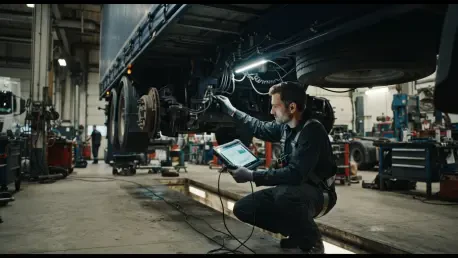

A shortage of skilled service labor makes it essential for smart trailer technology to provide technicians with a head start on diagnosing mechanical issues. In 2026, the trucking industry has transitioned from merely gathering data to effectively utilizing it to sustain profitability in an increasingly competitive logistics market. While connected trailers have been available for several years, the sheer volume of information being transmitted from various sensors can often overwhelm fleet managers, leading to a state where visibility exists without the necessary action. Active analytics serves as the essential filter in this environment, refining raw data from suspensions, wheel-ends, and braking systems into clear, decision-ready insights. By focusing on the urgency of specific alerts, such as a dragging brake or a slow tire leak, fleets can move from reactive repairs to a more controlled, predictive maintenance model. This shift is particularly vital as equipment becomes more complex, necessitating a streamlined approach that prioritizes high-impact events over routine sensor noise. Ultimately, the goal is to ensure that the right person—whether a driver, a dispatcher, or a shop foreman—receives the exact information required to maintain the vehicle’s operating status and safety standards without unnecessary delays or confusion.
1. Identify High-Cost Operational Hurdles: Roadside Failures
The first step in implementing an effective active analytics framework involves identifying the specific operational hurdles that generate the most significant financial losses. For many carriers, emergency roadside tire repairs and wheel-end failures represent the largest drain on resources, often costing three to four times more than the same repair performed in a controlled shop environment. These unplanned events do more than just increase maintenance spend; they create a ripple effect throughout the entire supply chain, resulting in missed delivery windows and damaged customer relationships. By quantifying the frequency and cost of these roadside events, a fleet can determine exactly where its vulnerabilities lie. For instance, a vocational fleet operating in harsh environments may find that brake wear and suspension damage are its primary drivers of downtime, whereas a long-haul carrier might suffer more from slow tire leaks and fuel efficiency losses. Understanding these unique pain points allows the organization to focus its technological investments on the areas that will yield the highest return on investment through improved equipment availability and reduced emergency service calls.
2. Identify High-Cost Operational Hurdles: Service Disruptions
Beyond the immediate costs of repairs, service interruptions caused by faulty machinery can lead to systemic inefficiencies that are often difficult to track without centralized data. When a trailer is pulled from service unexpectedly, the loss of revenue is compounded by the administrative burden of rescheduling loads and moving replacement equipment into position. In 2026, the focus has shifted toward identifying these “invisible” costs, such as the time wasted by drivers waiting for repairs or the labor hours spent by technicians on unnecessary inspections. Many fleets have historically performed inspections based on fixed intervals, which often results in servicing equipment that is still in perfect working order while missing emerging issues on trailers that have been subjected to more rigorous use. By pinpointing the specific machinery that causes these frequent and avoidable disruptions, fleets can begin to move toward a condition-based maintenance model. This approach ensures that shop time is reserved for the units that actually need attention, thereby maximizing the throughput of the maintenance facility and ensuring that the most reliable trailers remain on the road for the longest possible duration.
3. Connect Specific Data Points: Sensor Selection
Once the primary operational hurdles are clearly defined, the next logical step is to select the specific data points that correlate with those identified failures. Modern trailers are equipped with a vast array of sensors, ranging from tire pressure monitoring systems (TPMS) like Hendrickson’s Watchman to advanced brake lining thickness indicators and wheel-end temperature sensors. However, the value of this hardware is only realized when the fleet maps specific signals to the problems they are trying to solve. For example, if a fleet identifies that wheel-end failures are its leading cause of thermal events, it should prioritize sensors that monitor vibration and heat at the hub level. Rather than viewing tire pressure in a vacuum, the system should look for patterns that indicate a puncture versus a simple temperature fluctuation. By selecting the right combination of signals, such as combining axle load data with brake wear metrics, managers can gain a holistic view of how the trailer is being operated. This targeted selection of data ensures that the analytics engine is fed with high-quality information that directly supports the fleet’s objective of reducing mechanical failures.
4. Connect Specific Data Points: Contextual Diagnostics
The true power of active analytics lies in its ability to provide context to raw data, transforming a simple measurement into a diagnostic tool that a technician can use immediately. A tire pressure reading of 90 PSI is technically accurate, but it is operationally weak without knowing the ambient temperature, the load weight, and the historical pressure trends for that specific wheel position. Active analytics adds this necessary layer of interpretation, identifying whether a tire is experiencing a rapid leak that requires immediate roadside attention or a slow seepage that can wait until the trailer returns to the terminal. Furthermore, by identifying the exact wheel-position of an emerging issue, the system provides a significant head start for maintenance teams who no longer have to spend time manually checking every tire or brake drum to find the source of an alert. This level of precision is especially valuable for companies like Anderson Trucking, which operates complex multi-axle trailers where manual diagnosis can be incredibly time-consuming. When the data is contextualized, it reduces the “search time” in the shop, allowing technicians to move directly to the “repair time,” which is essential in a market where skilled labor remains a scarce resource.
5. Categorize Alerts: Priority Hierarchy
To prevent the phenomenon known as “alert fatigue,” it is critical to organize incoming sensor information into a prioritized hierarchy that reflects the urgency of the equipment condition. A common and effective method utilized by many fleets in 2026 is the color-coded “stoplight” system, which translates complex mechanical data into an easily understood status. Under this model, a green status indicates that all systems are functioning within normal parameters, requiring no intervention. A yellow status signifies a cautionary condition—such as a tire that is slightly under-inflated or a brake pad reaching a pre-defined wear limit—that should be addressed during the next scheduled maintenance window but does not pose an immediate safety risk. A red alert, however, indicates a critical failure or a high-risk condition that demands immediate intervention, such as a significant tire leak or a wheel-end temperature spike. By categorizing alerts in this manner, the fleet can ensure that the most dangerous or expensive issues are addressed first, while less urgent items are handled efficiently without disrupting active routes or creating unnecessary panic for the driver and dispatch team.
6. Categorize Alerts: Reducing Alert Fatigue
The primary goal of a prioritized alert hierarchy is to ensure that the individuals responsible for the equipment do not become desensitized to the information they receive. If a maintenance planner receives fifty alerts a day and forty of them require no action, the likelihood of them missing a critical “red” alert increases significantly. Active analytics mitigates this risk by filtering out the noise and only presenting notifications that are actionable and necessary. This filtering process often happens at the vehicle level, where on-board algorithms evaluate the sensor data before it is even transmitted to the cloud. For instance, the system might ignore a temporary pressure spike caused by a sudden increase in ambient temperature while flagging a persistent downward trend that suggests a slow leak. This reduction in data volume ensures that every notification the fleet receives is meaningful, creating a culture of accountability where every alert is taken seriously. When the system only speaks when it has something important to say, the workforce is much more likely to respond promptly and effectively, leading to safer operations and a noticeable improvement in overall fleet uptime.
7. Assign Specific Roles: Operational Protocols
Establishing a clear protocol for who receives and acts upon each level of notification is essential for turning trailer data into a functional business process. A red alert, signifying an immediate safety risk, must be routed directly to the driver and the dispatcher so the vehicle can be safely stopped and the route adjusted. In contrast, a yellow alert indicating a non-critical maintenance item should bypass the driver entirely and be routed to a maintenance planner or a shop foreman. This ensures that the driver can focus on the road without being distracted by diagnostic information that they cannot personally address. By assigning specific roles to each tier of alert, the fleet creates a streamlined communication loop that prevents information from getting stuck in silos. Dispatchers can make real-time decisions about whether a trailer is fit for a specific load, while drivers are empowered with the information they need to conduct more thorough pre-trip and post-trip inspections. This structured approach to data distribution ensures that everyone in the organization is working from the same set of facts, leading to a more synchronized and efficient operation.
8. Assign Specific Roles: Maintenance Coordination
The integration of smart trailer alerts into the broader maintenance coordination process allows for a more proactive approach to shop management. When a maintenance planner receives a yellow alert for a specific trailer, they can check the vehicle’s current route and identify the most convenient service location to address the issue before it escalates into a red alert. This level of coordination is particularly beneficial for large fleets with thousands of assets that may not return to a central hub for weeks at a time. By using active analytics, the planner can “capture” a trailer for service at a satellite facility or a third-party repair shop based on real-time condition data. This prevents the trailer from being dispatched on a long-haul route with a developing mechanical issue, which would almost certainly result in a more expensive roadside event. Furthermore, the shop can pre-order the necessary parts and allocate the required labor before the trailer even arrives, significantly reducing the turnaround time for the repair. This seamless transition from data to service coordination is the hallmark of a high-performance fleet in 2026, where every minute of shop time is optimized for maximum efficiency.
9. Integrate Patterns: Strategic Equipment Decisions
In the long term, the historical data gathered from smart trailer sensors provides a goldmine of information that can be used to refine equipment procurement and specifications. By analyzing recurring faults across the entire fleet, managers can identify if certain brands of tires, types of brake systems, or specific suspension designs are more prone to failure in their particular operating environment. If the data consistently shows that a specific wheel-end configuration is failing prematurely on trailers used for heavy-haul operations, the fleet has a data-driven justification to change its specifications for future equipment orders. This moves the purchasing process away from being based on the lowest initial cost toward a model based on the total cost of ownership and proven reliability. These insights allow fleets to tailor their equipment choices to the specific demands of their routes and cargo, ultimately leading to a more robust and durable fleet. As these patterns emerge, they can also be shared with equipment suppliers like Hendrickson to help them improve the design of future components, creating a feedback loop that benefits the entire transportation industry.
10. Integrate Patterns: Optimized Maintenance Schedules
Beyond purchasing decisions, the integration of active analytics patterns allows fleets to modify their preventive maintenance (PM) routines to better reflect the actual wear and tear on their equipment. In 2026, many leading carriers have abandoned rigid mileage-based PM schedules in favor of dynamic, sensor-driven intervals. For example, if a trailer’s brake wear sensors indicate that the linings are wearing faster than expected due to operation in mountainous terrain, the system can automatically trigger a service request regardless of the vehicle’s mileage. Conversely, a trailer that has been operating on flat highways with light loads may be able to safely extend its service interval, keeping it on the road longer and reducing unnecessary labor costs. This strategic evolution of maintenance practices ensures that the fleet is always operating at peak efficiency, with every service intervention being data-justified. Over time, this leads to a more predictable maintenance budget and a significant reduction in the overall number of mechanical failures, as the fleet is always one step ahead of the equipment’s natural wear cycle.
11. Advancing Fleet Reliability Through Data Execution
The shift toward active analytics provided fleets with a definitive roadmap for overcoming the challenges of traditional, interval-based maintenance models. By moving away from a one-size-fits-all approach, organizations successfully reduced the incidence of catastrophic roadside failures that previously drained operational budgets and slowed supply chains. The implementation of color-coded alert systems allowed maintenance teams to focus their limited resources on the specific trailers that required immediate attention, effectively extending the lifespan of critical components through timely intervention. Furthermore, the integration of historical sensor data into the procurement process empowered fleets to make better purchasing decisions based on real-world performance rather than theoretical manufacturer specifications. This shift not only improved the overall reliability of the national transport infrastructure but also fostered a more collaborative and informed environment between drivers, dispatchers, and service technicians. As the industry moved toward a more intelligent operational standard, those who prioritized actionable intelligence over raw data volume established a new benchmark for excellence. The success of these systems proved that the value of smart technology resided not in the hardware itself, but in the clarity of the decisions it supported.