
Sunita Bhambhani Shah leads MEPL International through a landscape defined by geopolitical volatility and the urgent need for specialized cross-border trade knowledge. The modern supply chain no longer functions as a linear sequence of events but rather as a hyper-dynamic ecosystem where disruptions in one corner of the globe immediately ripple through every other node. In this high-stakes environment, the traditional reliance on static shipping routes and generic freight forwarding has become obsolete, replaced by a demand for deep regional intelligence and the ability to pivot operations in real-time. As trade corridors between the GCC, CIS, and Eurasia become increasingly central to global commerce, the role of a logistics partner has shifted from a mere service provider to a strategic consultant. This evolution requires a nuanced understanding of local regulatory frameworks and the physical infrastructure limitations that often hinder smooth transitions between land and sea routes. Professionals must now prioritize agility over rigid planning to ensure success.
Strategic Integration in Transcontinental Trade
Navigating Complex Corridors: The GCC and Eurasia
The pivot toward specialized trade corridors requires a departure from traditional logistics models that once prioritized cost above all else. In the current landscape, the complexity of moving goods across the GCC and into the CIS territories involves a meticulous synthesis of market data and shifting trade flow patterns. MEPL International identifies these emerging opportunities by leveraging local expertise to resolve the intricacies of cross-border commerce, particularly where regulatory shifts occur frequently. Clients no longer view freight as a commodity but rather as a critical component of a broader risk management strategy that demands proactive communication. To address this, the organization has refined its focus on the vision for 2027, which centers on expanding its global footprint through strategic alliances and a diversified service portfolio. This approach ensures that the logistical architecture is resilient enough to withstand the shocks of fluctuating transit conditions and geopolitical realignment in a rapidly changing world.
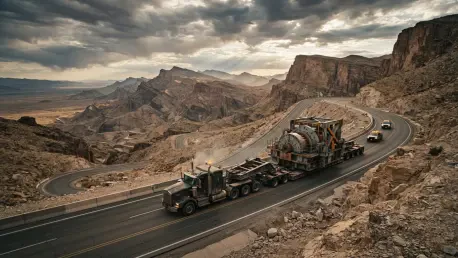
Navigating these territories necessitates a move away from generic solutions, as there is no single template that effectively serves the diverse needs of sectors like oil and gas, FMCG, or industrial engineering. Each industry presents unique challenges, from the temperature-controlled requirements of fast-moving consumer goods to the heavy-lift complexities associated with large-scale industrial projects. By offering tailored approaches, the logistical framework becomes an asset rather than a hurdle, allowing for alternative routing that mitigates the risks inherent in volatile regions. The strategy involves not just the movement of cargo but the orchestration of an entire supply chain that remains responsive to the immediate demands of the local market. Through this lens, the true value of a global logistics partner is found in the ability to anticipate bottlenecks before they manifest, ensuring that the flow of goods remains uninterrupted despite the increasing friction found in modern transcontinental trade by using multimodal solutions.
Digital Evolution: Balancing AI and Human Expertise
While the integration of artificial intelligence and advanced digitalization has significantly improved shipment visibility and documentation accuracy, the human element remains the cornerstone of operational success. Technology serves as a vital tool for processing vast amounts of data and ensuring that clerical errors do not delay shipments at critical border crossings, yet it cannot replace the personal accountability required in high-stakes negotiations. Digital platforms provide the transparency that modern clients demand, allowing them to track assets with precision, but the resolution of complex logistical deadlocks still depends on the intervention of experienced professionals. This balanced perspective suggests that sustainable business advantages are built on a foundation where technology augments the capabilities of a skilled workforce. By prioritizing documentation accuracy through digital means while maintaining a high level of personal engagement, the organization creates a reliable bridge between digital efficiency and the reality of physical transport challenges.
The leadership journey within this traditionally male-dominated field demonstrated that cultural adaptability and rigorous market study were essential for overcoming systemic barriers. Industry stakeholders focused on cultivating a solution-oriented approach that encouraged the next generation of professionals to pursue deep expertise in both the commercial and operational facets of logistics. It was established that the future of international trade depended on a combination of smarter supply chain processes and resilient global partnerships that prioritized diversity and shared goals. To prepare for upcoming shifts, organizations implemented training programs that emphasized a versatile skill set, balancing technical proficiency with interpersonal negotiation. This strategic evolution proved that managing logistical challenges required more than just digital tools; it demanded a leadership style capable of navigating both operational complexities and professional responsibilities with equal skill. These adjustments paved the way for robust trade corridors and set a new standard for excellence.