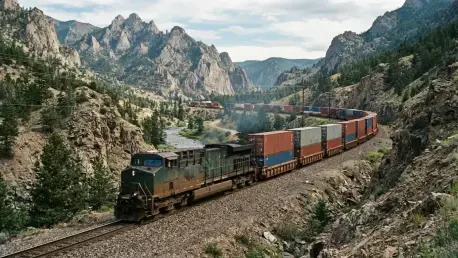

Indian Railways achieved a historic milestone in October 2026 by transporting 145.07 million tonnes of freight, marking a significant 8.32% increase over the previous year’s performance. This remarkable achievement underscores the vital role the national transporter plays in sustaining the economic momentum of the country. Beyond the sheer volume of goods moved, this surge reflects a deeper integration of logistics and industrial needs within a rapidly expanding domestic market. The railways have successfully transitioned into a more responsive and efficient system, capable of handling complex supply chain demands during peak seasonal activity. By prioritizing both bulk commodities and finished products, the network has demonstrated its resilience against global economic fluctuations. The data from October highlights a consistent upward trajectory that began earlier this fiscal year, suggesting that the modernization efforts and infrastructure investments are yielding tangible results. This operational success is not just about numbers; it represents the lifeblood of national trade.
Commodity Dynamics: Strengthening the National Economy
The growth observed in October was largely driven by a significant 26.3% rise in food grain transportation and a 16% increase in domestic coal movement, which proved essential for both food security and energy stability. Agricultural produce moved with unprecedented speed, ensuring that surplus regions could effectively supply deficit areas during the height of the harvest season. Meanwhile, the industrial sector benefited from a 10.4% growth in clinker and a 5% rise in iron ore, indicating robust construction and steel manufacturing activity. Domestic container movement also saw a healthy 6.3% increase, reflecting a shift toward multi-modal logistics solutions that reduce overall transit times. These figures represent more than just internal efficiency; they show how the railways act as a critical buffer for the economy, absorbing demand spikes while maintaining a steady flow of raw materials to manufacturing hubs. The deliberate focus on diversifying the freight basket has clearly paid off in the current quarter.
In addition to the broader commodity gains, the energy sector received a massive boost as the daily average of coal rakes supplied to power stations jumped by 19.5%, reaching 469.8 rakes per day. This expansion is critical for maintaining a steady electricity supply across the country, especially as industrial production ramps up toward the end of the calendar year. The coordination between the Ministry of Coal and the railway authorities has optimized the loading process, reducing the turnaround time for wagons and ensuring that power plants maintain adequate stockpiles. This streamlined approach to energy logistics has mitigated the risk of power shortages that often plague periods of high demand. Furthermore, the introduction of dedicated freight corridors has started to alleviate congestion on traditional passenger routes, allowing heavy coal trains to maintain higher average speeds. This structural improvement is a testament to the long-term vision of enhancing national energy security through improved rail connectivity.
Strategic Evolution: Enhancing Capacity and Service Delivery
Beyond the impressive freight figures, the passenger segment demonstrated equally positive trends during the same period. In October 2026, the network carried 64.72 crore passengers, up from 63.52 crore the previous year, highlighting the enduring reliance of the public on rail travel for long-distance and local commutes. This growth was distributed between non-suburban services, which saw a 4.2% increase, and suburban services, which rose by 1.7%. The uptick in passenger volume is particularly notable given the competitive landscape of domestic aviation and road transport. It suggests that the continuous improvements in coach quality, station amenities, and digital ticketing systems are successfully attracting and retaining a massive traveler base. The ability to manage such high volumes without compromising safety or reliability remains one of the greatest operational strengths of the system. This steady growth in ridership reinforces the social mission of providing affordable and accessible transportation.
The sustained growth observed in late 2026 underscored the necessity of continued investment in infrastructure and operational efficiency to accommodate future demand effectively. Officials prioritized the completion of pending track doubling projects and the expansion of electrification to lower the carbon footprint of heavy haul operations. These steps were taken to ensure that the network could handle an additional 200 million tonnes of freight by the end of 2028. Moving forward, the integration of artificial intelligence in predictive maintenance was deemed essential to minimize downtime on critical routes. Decision-makers also explored further public-private partnerships to modernize cargo terminals and enhance last-mile connectivity for small-scale manufacturers. Investing in high-capacity wagons and more powerful locomotives was seen as a prerequisite for maintaining the current growth rate. By focusing on these technological and structural upgrades, the railways positioned themselves as a future-ready backbone for global trade integration.