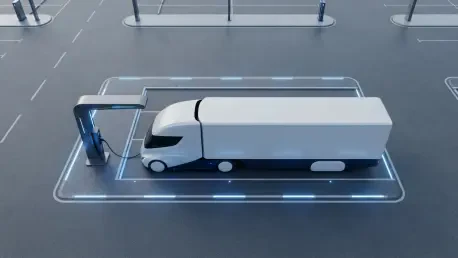

The recent $51 million investment round led by Obvious Ventures brings Humble Robotics’ total capital to $75 million as it exits stealth mode to transform regional logistics. For years, the freight industry has relied on modifying existing diesel-powered vehicles to accommodate self-driving software, but this hybrid approach often results in technical compromises and maintenance challenges. Humble Robotics addresses this by engineering fully autonomous, electric Class 8 platforms from the ground up, ensuring that every sensor and structural component works in perfect harmony. This massive funding boost, supported by Eclipse and Energy Impact Partners, signals a robust confidence in the vision-first AI strategy proposed by founder Eyal Cohen. As global commerce demands more agility and lower emissions, the company’s emergence marks a critical turning point in how heavy machinery is designed to interact with complex industrial environments and shifting regulatory landscapes in the current year.
Rethinking the Structural Core of Freight
The engineering philosophy at Humble Robotics departs significantly from the industry norm of retrofitting traditional trucks with autonomous kits. By starting with a clean-sheet design, the team can optimize the placement of cameras, lidar, and radar systems to eliminate the blind spots often found in conventional cabs. This integrated hardware architecture allows the vision-first artificial intelligence to process environmental data more efficiently, reducing the latency that can plague sensor-heavy retrofits. Moreover, the removal of traditional driver compartments creates a more aerodynamic profile and redistributes weight to maximize battery efficiency and cargo capacity. This design choice is not merely aesthetic; it represents a fundamental shift in how the vehicle handles the dynamic physics of short-haul transport. By controlling the entire technology stack, the firm ensures that software updates and hardware components are perfectly synchronized for long-term operational reliability.
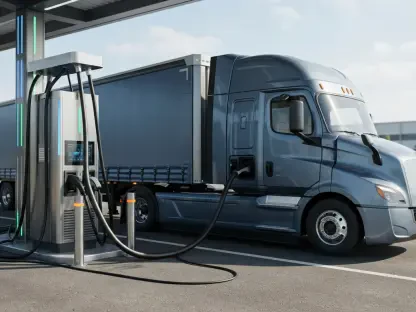
Utilizing an all-electric powertrain in these ground-up designs further simplifies the mechanical complexity of the freight platform. Traditional internal combustion engines require intricate cooling systems and transmissions that are difficult to coordinate with autonomous driving software. In contrast, the electric motors in the Humble platform provide instant torque and more precise control during low-speed maneuvering, which is essential for navigating narrow loading docks and cluttered warehouse yards. This level of precision is often the primary failure point for highway-optimized autonomous systems that struggle when faced with the chaotic environments of industrial hubs. By focusing on the unique demands of these short-range routes, the company is building a machine that prioritizes durability and repetitive accuracy over the long-distance comfort required by human-driven trucks. This shift also aligns with the broader institutional push for green logistics solutions.
Strategic Regional Focus and Commercial Roadmap
A strategic focus on regional freight routes under 250 miles allows Humble Robotics to address the most congested and vital segments of the American supply chain. While long-haul trucking often dominates the conversation surrounding autonomy, the reality is that the vast majority of U.S. truck tonnage moves through shorter, high-frequency corridors. These routes, connecting ports to rail terminals and distribution centers, are currently plagued by driver shortages and high operational costs. By automating these specific links, the Humble Hauler can operate on a continuous loop, significantly increasing the throughput of goods without the constraints of human work-hour regulations. This targeted approach minimizes the complexity of navigating diverse highway environments while maximizing the economic impact on localized logistics networks. The company’s modular platform is specifically engineered to handle the frequent stops and high-torque demands of these regional transport loops.
The roadmap to full commercialization involves a phased rollout that begins with data collection using conventional vehicles throughout the coming months. This period is dedicated to training the AI models on the specific nuances of regional routes, ensuring that the software can handle the unpredictable variables of “dock-to-dock” transportation. Following this validation phase, the company plans to deploy its proprietary autonomous electric trucks in 2027, provided that the necessary regulatory approvals are secured. The $51 million in Series A funding is specifically earmarked to scale early manufacturing processes and expand customer pilot programs with key logistics partners. These pilots are designed to demonstrate the tangible safety and cost benefits of a ground-up autonomous system in real-world scenarios. By focusing on evidence-based performance metrics, the firm aims to build a compelling case for the mass adoption of electric autonomous freight in the modern logistics landscape.
The successful acquisition of capital by Humble Robotics signaled a definitive move toward specialized, hardware-focused solutions in the autonomous sector. Industry leaders observed that the transition from general highway driving to precision-oriented regional logistics required a fundamental rethinking of vehicle design. By prioritizing the most critical links in the supply chain, the company provided a clear blueprint for how technology could alleviate the chronic bottlenecks of the middle mile. Logistics enterprises realized that investing in purpose-built electric platforms offered a more sustainable and cost-effective path than retrofitting legacy fleets. To prepare for this shift, fleet operators initiated audits of their regional route densities and charging infrastructure capabilities. The focus shifted toward validating modular freight technology and establishing the infrastructure necessary for high-frequency robotic transport. Ultimately, the industry learned that true autonomy required a cohesive ecosystem.