
Unprecedented investment in data centers and power generation infrastructure is creating significant growth opportunities for industrial distributors across North America. W.W. Grainger, a dominant force in the industrial distribution sector, is currently undergoing a significant transformation. As detailed in the company’s recent earnings disclosures and strategic announcements, the organization is pivoting from a traditional procurement model toward a technology-driven partnership framework. The central theme of this evolution is the integration of advanced artificial intelligence (AI) and frictionless inventory systems designed to embed Grainger deeper into the daily operations of its clients. By acquiring cutting-edge technology and capitalizing on the burgeoning data center market, Grainger is not merely selling products; it is selling operational efficiency. This shift aims to fortify the company’s High-Touch Solutions and Endless Assortment segments, ensuring long-term customer stickiness in an increasingly competitive digital landscape.
Financial Resilience: Market Expansion and Digital Growth
Financial data for the third quarter of 2026 reflects a company in a state of robust expansion. Grainger reported sales of $5.18 billion, a substantial 11.3% increase compared to the previous year’s performance. Even more striking was the net earnings attributable to the company, which surged to $587 million. While this figure is bolstered by the absence of last year’s losses related to the exit from the United Kingdom market, it nonetheless signals a high level of operational health. This growth indicates that Grainger is successfully navigating the transition into a more sophisticated market player. The company’s ability to generate significant cash flow during this period has allowed it to reinvest in its digital infrastructure, further separating itself from smaller regional competitors who lack the scale to implement similar technological advancements. By focusing on high-margin segments and optimizing its supply chain logistics, Grainger has managed to sustain its upward trajectory.
In the Endless Assortment segment, Zoro U.S. has demonstrated a remarkable turnaround in its growth dynamics. Historically, Zoro relied heavily on the constant acquisition of new customers to offset the churn of one-time buyers. However, recent data from 2026 shows a 25.2% increase in sales per selling day, driven almost entirely by repeat purchases from existing customers. This shift is the result of a multi-year effort to refine Zoro’s value proposition and build a more loyal customer base. By improving marketing precision and optimizing pricing structures, the platform has successfully transitioned into a preferred destination for business buyers. The emphasis has shifted from broad-based customer acquisition to deepening relationships with professional buyers who have recurring operational needs. This change in focus has significantly improved the quality of the company’s revenue, making it more resilient to market fluctuations and reducing the costs associated with constantly finding new platform users.
Inventory Revolution: Vision-Based AI Integration
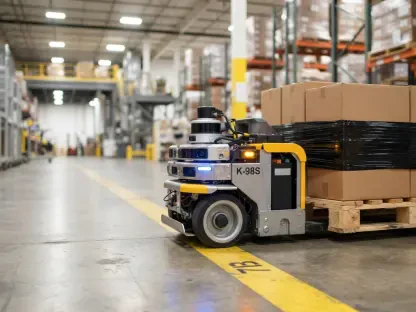
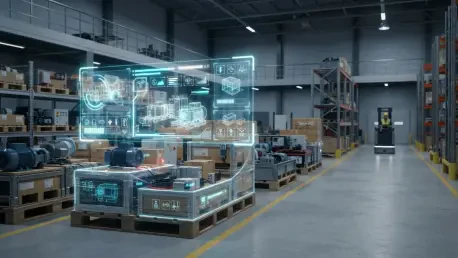
One of the most significant developments discussed by leadership is the acquisition of technology assets from Adroit Worldwide Media Inc. This move is specifically designed to revolutionize KeepStock, Grainger’s inventory management service. The newly acquired technology utilizes a sophisticated array of cameras, weight sensors, and AI-driven software to monitor inventory levels in real-time. This integration represents a major step forward in the company’s quest to provide a seamless experience for its industrial clients. By using computer vision to track items, Grainger eliminates many of the manual processes that traditionally plague warehouse and storage room management. This technological leap allows customers to focus on their core operations rather than the administrative burden of tracking small parts and consumables. The system’s ability to provide instant data on stock levels ensures that critical items are always available when needed, reducing downtime and improving facility productivity across industrial sectors.
The practical application of this technology is the frictionless checkout. In a traditional setting, an employee must manually scan or log items taken from a storage room, a process prone to human error and delays. Under the new AI-integrated system, an employee simply enters the storage area, selects the necessary components or tools, and exits. The system automatically detects which items were removed and updates the inventory records accordingly without any manual intervention. This innovation serves two primary purposes: it drastically reduces the labor hours customers must dedicate to internal supply management, and it lowers the risk of stockouts or inventory shrinkage. Grainger plans to spend the coming year fully integrating this vision-based AI into its core processes, signaling a future where the distributor acts as an invisible but omnipresent manager of the customer’s supply chain. This shift not only improves efficiency but also provides Grainger with visibility into usage patterns.
Infrastructure Surge: Capitalizing on the Data Center Boom
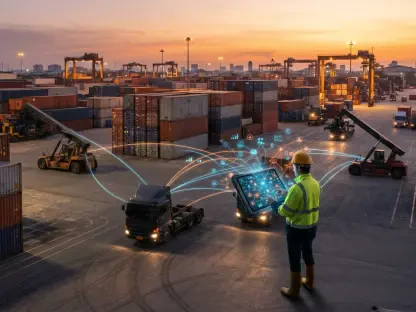
A major tailwind for Grainger is the unprecedented investment in data centers and power generation infrastructure currently sweeping across North America. While it is difficult for the company to pinpoint the exact dollar amount attributed to this sector—since the demand is distributed across multiple categories—the impact is undeniable. The growth is manifesting through three distinct channels: direct operations, contractors, and manufacturers. Retail and enterprise customers who manage their own data centers require a steady stream of maintenance and repair supplies. Simultaneously, there is increased demand from electrical and mechanical contractors tasked with building and maintaining these complex facilities. Finally, manufacturers who require MRO supplies to produce the equipment used in data centers are turning to Grainger to support their production lines. This multi-layered demand structure creates a robust ecosystem where Grainger’s broad product assortment provides a significant advantage.
Grainger has observed that branches located in geographic proximity to major data center hubs are experiencing outsized growth, highlighting the vital importance of local inventory and logistics. This trend illustrates how infrastructure spending ripples through the local economy, benefiting distributors who possess the physical infrastructure to serve multi-faceted projects. The need for specialized tools, safety equipment, and electrical components in these high-tech environments has led to a surge in demand that smaller distributors are struggling to meet. By positioning its physical locations strategically near these hubs, Grainger ensures that it can provide rapid fulfillment for time-sensitive projects. This geographic strategy, combined with the company’s extensive distribution network, allows it to capture a significant share of the infrastructure market. As the demand for data processing continues to climb, Grainger remains well-positioned to serve as the backbone for the maintenance of these assets.
Operational Resilience: Navigating Inflationary Pressures
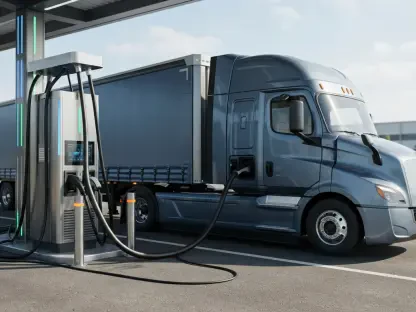
Despite the growth, Grainger is not immune to the pressures of a fluctuating economy, specifically regarding rising freight and product costs. The company is currently navigating a complex environment where diesel prices and logistics expenses remain highly volatile. Leadership highlighted that while price increases implemented in September 2026 successfully covered most known cost escalations, the unpredictability of energy costs remains a concern for planning in the coming quarters. Grainger’s approach to these headwinds is one of transparency and negotiation, aiming to find a balance between profitability and customer satisfaction. The company is actively working with its vast supplier network to mitigate cost increases while being careful not to push pricing to a level that creates friction with long-term customers. This delicate balancing act requires sophisticated pricing models and a deep understanding of market dynamics to ensure that the company remains a cost-effective option.
To help maintain margins in this inflationary environment, the company is leaning on supplier rebates, which are expected to be particularly strong in the fourth quarter due to Grainger’s high sales volumes. This volume-for-rebate cycle provides a financial cushion against the inflationary pressures seen in the logistics sector. Furthermore, the company is focusing on internal operational efficiencies to drive down costs. By automating warehouse tasks and optimizing delivery routes, Grainger is able to offset some of the external cost pressures. These efforts are part of a broader strategy to maintain a lean operation that can weather economic uncertainty while continuing to invest in growth initiatives. The company’s strong balance sheet and cash position provide additional security, allowing it to negotiate from a position of strength with both suppliers and logistics partners. This proactive stance on cost management ensures that Grainger can protect its profitability without compromising quality.
Strategic Execution: Future Directions and Implementation
The overarching narrative for Grainger throughout 2026 was one of disciplined execution and technological integration. By investing in AI-driven inventory technology, the company successfully made its services indispensable to the industrial workforce. The shift toward customer loyalty in the Zoro segment created a more sustainable and profitable e-commerce model, moving away from the high-churn environment of previous years. Furthermore, by positioning itself at the center of the data center and power generation construction boom, Grainger captured a significant share of the modern infrastructure market. These strategic moves allowed the company to raise its financial guidance despite broader economic uncertainties. The integration of computer vision and artificial intelligence into the daily routines of warehouse management was a defining feature of the year, signaling a permanent move toward a more digitized supply chain that values real-time data and automated fulfillment above traditional methods.
For industrial leaders and facility managers, the success of Grainger in 2026 offers several actionable insights regarding the future of procurement. First, the integration of AI is no longer a luxury but a necessity for maintaining competitive efficiency in high-volume environments. Organizations should evaluate their current inventory processes and consider adopting frictionless systems to reduce labor costs and eliminate stockout risks. Second, building long-term supplier partnerships based on integrated technology can provide a significant buffer against economic volatility and inflationary pressures. Looking ahead, the focus for the industry will likely remain on simplifying the customer’s buying journey and leveraging data to provide predictive maintenance solutions. Companies that prioritize customer retention over simple acquisition and invest in local logistics to support regional infrastructure projects will be best positioned for growth. The transition to becoming a strategic partner is now the standard for success.