
The humble pallet, often overlooked as a mere wooden platform, serves as the critical skeletal structure supporting the trillions of dollars in goods that circulate through the global economy every year. As companies strive for more aggressive environmental benchmarks and operational leanness, the reliance on virgin lumber and labor-intensive assembly processes seems increasingly archaic. Traditional wooden pallets face mounting scrutiny as global supply chains grapple with high lumber consumption and the recurring costs of mandatory pest fumigation. This friction has given rise to a new era of logistics where materials science dictates the pace of trade. The convergence of bio-based engineering and automated manufacturing is redefining how products move across oceans, shifting away from the disposable and toward the durable. This evolution is not merely about saving trees; it is about reclaiming the efficiency lost to moisture damage, insect infestations, and the sheer bulk of empty wooden crates. For industry giants and small-scale distributors alike, the choice of shipping platform now reflects a commitment to operational resilience and ecological preservation in a rapidly changing market.
Innovations in Material Science and Environmental Impact
Advancing the Circular Economy Through Material Transformation
The primary innovation driving this industrial shift is the sophisticated repurposing of agricultural residues and wood waste into high-density shipping assets. By utilizing materials like straw and waste wood fibers, manufacturers have successfully turned low-value byproducts into indispensable components of the logistics infrastructure. This process involves pulverizing the organic matter and bonding it with eco-friendly resins under extreme heat and pressure. The resulting material is not only structurally superior to natural wood but also helps to mitigate the environmental impact of traditional timber harvesting. From 2026 to 2030, the adoption of these biocomposites is expected to divert millions of tons of agricultural waste from landfills and open-field burning, directly supporting a circular economy. This transformation ensures that the resources used in the supply chain are renewable and that the production cycle remains as carbon-neutral as possible, satisfying both regulatory demands and consumer expectations for greener business practices.
Beyond the source material, the structural integrity of these molded products represents a departure from traditional assembly methods. While standard wooden pallets rely on hundreds of nails and dozens of individual boards, molded alternatives are created through a one-time closed molding process. This technique produces a seamless, monolithic structure that is entirely free of metal fasteners, which are the primary cause of product damage and workplace injuries in traditional warehouses. The absence of nails and splinters makes these pallets safer for both manual handling and automated sorting systems, reducing the risk of downtime caused by equipment jams. Furthermore, the high-density composition of the molded fiber makes it naturally resistant to fire and moisture, two of the greatest threats to inventory during long-term storage. By engineering the material at a molecular level, manufacturers have created a platform that is more predictable and durable than any natural timber alternative currently available on the market.
Enhancing Efficiency and Regulatory Compliance
In the realm of international trade, the administrative and biological hurdles associated with solid wood packaging are significant. International standards for phytosanitary measures, specifically ISPM-15, require all solid wood pallets to undergo rigorous heat treatment or fumigation with methyl bromide to prevent the cross-border spread of invasive pests. These processes add substantial time and cost to every shipment, often creating bottlenecks at major ports of entry. Molded pallets, however, are essentially exempt from these requirements because the intense heat and pressure used during their manufacture effectively sterilize the material, killing any potential pathogens or insects. This inherent compliance allows goods to move through customs with fewer inspections and no risk of being rejected due to pest infestation. For companies operating in 2026, this regulatory ease translates into faster transit times and a significant reduction in the paperwork required for global distribution, streamlining the entire cross-border logistics experience.
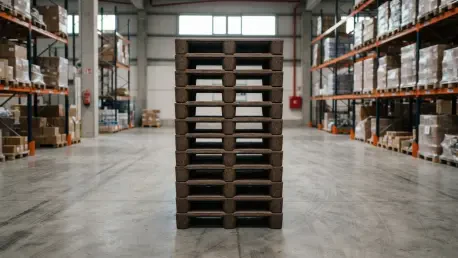
Operational efficiency is also dramatically improved by the geometric precision allowed by molded manufacturing. One of the most significant advantages of these platforms is their nestable design, which allows empty pallets to be stacked inside one another rather than merely on top of each other. In a typical warehouse or transport truck, this can save up to seventy percent of the space required for storage and return-trip logistics compared to non-nestable wooden units. This space density means that a single truck can carry four times as many empty molded pallets as traditional ones, drastically lowering the carbon footprint and fuel costs associated with equipment repositioning. As fuel prices remain a volatile factor in shipping costs, the ability to optimize cargo space becomes a vital competitive advantage. For warehouse managers, this nesting capability means more floor space can be dedicated to revenue-generating inventory rather than empty equipment storage, optimizing every square foot of the facility.
Structural Variations for Diverse Industrial Needs
The Versatility of Single-Deck Nestable Designs
The single-deck molded pallet, characterized by its distinctive nine-leg configuration, is the workhorse of the modern distribution center. This design is specifically engineered to maximize space management without sacrificing the load-bearing capacity required for most consumer goods. The hollow legs allow the pallets to nest deeply within each other, a feature that has become indispensable for high-volume retailers who must manage thousands of empty units daily. Despite their lightweight construction, these pallets are capable of supporting substantial static and dynamic loads, making them suitable for everything from electronics to bulk dry goods. Their lightweight nature also provides a direct benefit in air freight applications, where every ounce of weight translates into increased fuel consumption and higher shipping rates. By switching to single-deck molded designs, air cargo operators can reduce the tare weight of their shipments, leading to immediate and measurable savings in operational overhead.
Integration with existing infrastructure is a critical consideration for any logistics manager, and single-deck molded pallets are designed to be fully compatible with standard material handling equipment. Whether a facility utilizes manual pallet jacks, traditional forklifts, or advanced robotic pickers, the dimensions and entry points of these pallets remain consistent. This standardization ensures that businesses can transition to more sustainable materials without the need for expensive equipment upgrades or staff retraining. Furthermore, the uniform weight and balance of these pallets enhance the safety of forklift operations, as operators can rely on a consistent center of gravity regardless of which pallet in the stack they are lifting. This predictability is especially valuable in fast-paced fulfillment centers where speed and safety must be perfectly balanced. The single-deck design represents a harmonious blend of traditional compatibility and forward-thinking space efficiency, making it an ideal choice for the modern supply chain.
Heavy-duty stability is achieved through advanced double-deck configurations that ensure structural integrity in demanding environments
When logistics operations require stacking loaded pallets or handling exceptionally heavy industrial components, the double-deck molded pallet becomes the preferred solution. Unlike the single-deck version, which is optimized for nesting, the double-deck design features supporting surfaces on both the top and bottom of the platform. This configuration provides a much broader base of support, which is essential for distributing weight evenly across the cargo beneath it when pallets are stacked in multiple tiers. In the context of international ocean freight, where containers are packed to their maximum height to optimize space, the structural integrity of the bottom pallet is paramount. The double-deck molded pallet offers the necessary stiffness to prevent sagging or compression, ensuring that the goods remain protected throughout the weeks-long journey across the ocean. This design is particularly favored in the chemical and automotive industries, where the weight of the cargo often exceeds the limits of standard nestable platforms.
The stability offered by double-deck configurations also extends to the physical handling of goods in challenging environments. The bottom deck provides a flat, solid surface that performs exceptionally well on conveyor belts and within automated storage and retrieval systems that utilize chain drives or rollers. This prevents the snagging that can sometimes occur with the open-bottom design of nestable pallets when they are used on certain types of industrial machinery. Furthermore, the double-deck structure increases the overall lifespan of the pallet by providing additional reinforcement against the wear and tear of frequent loading and unloading. While these units do not offer the same nesting capabilities as their single-deck counterparts, their durability and load-bearing performance make them a superior investment for closed-loop systems where the pallets are reused many times. For heavy-duty applications, the double-deck molded pallet provides a level of reliability that traditional wooden structures simply cannot match in the long term.
Manufacturing Standards and Quality Assurance
Scalability in High-Volume Production
To adequately serve the needs of multinational corporations, the production of molded pallets must occur on a massive scale, supported by expansive manufacturing facilities. Modern production sites often exceed twenty thousand square meters, housing multiple high-pressure molding lines that operate around the clock to meet global demand. This industrial capacity is necessary because a single large-scale retail chain or automotive manufacturer can require millions of pallets per year to maintain its operations. In 2026, the focus has shifted toward hyper-efficient production cycles that minimize energy consumption while maximizing output. These facilities are often strategically located near agricultural hubs to reduce the transportation distance of raw materials like straw and wood waste, further lowering the total carbon footprint of the manufacturing process. This geographical strategy ensures that the supply chain is resilient and that the pallets are produced as close to the end-user as possible, minimizing logistical delays.
Consistency is perhaps the most significant advantage of high-volume molded manufacturing over the artisanal nature of wooden pallet assembly. Because each molded pallet is produced in a precision-engineered steel mold, every unit is identical to the last down to the millimeter. This level of uniformity is impossible to achieve with natural wood, which is subject to warping, knotting, and variations in moisture content that can change its dimensions over time. In a high-speed automated environment, even a small deviation in pallet size can cause a sensor error or a mechanical jam, leading to costly downtime. The scalability of molded pallet production provides global enterprises with a reliable and predictable supply of high-quality equipment that performs consistently across different climates and continents. This reliability allows procurement officers to plan their inventory needs with greater accuracy, knowing that the structural integrity and dimensions of their shipping platforms will remain constant regardless of the production batch.
Professional Certifications and B2B Trust
In the competitive landscape of business-to-business procurement, certifications serve as the primary language of trust and quality assurance. Adherence to international standards such as ISO 9001 is no longer optional for major manufacturers; it is a fundamental requirement for participating in global trade. This certification ensures that the manufacturing process is governed by a rigorous quality management system, guaranteeing that every pallet meets strict performance criteria before it leaves the factory. For a procurement manager in 2026, these credentials provide peace of mind that the products will perform as advertised, even under the most demanding shipping conditions. Furthermore, ISO 14001 certification demonstrates a company’s commitment to environmental management, validating that the “green” claims made about molded pallets are backed by verifiable data and responsible resource use. This alignment with global standards makes it easier for companies to integrate these pallets into their broader environmental, social, and governance reporting.
Beyond environmental and quality metrics, workplace safety certifications like ISO 45001 reflect a professional and ethical manufacturing environment. This is increasingly important as global brands face pressure to ensure that every level of their supply chain operates under fair and safe labor conditions. A manufacturing facility that prioritizes the health and safety of its workforce is less likely to experience production disruptions and more likely to maintain a high level of craftsmanship. For B2B partners, choosing a supplier with a robust portfolio of ISO certifications is a strategic move to mitigate risk and ensure long-term stability. These certifications also facilitate easier entry into highly regulated markets, such as the pharmaceutical and food industries, where hygiene and safety standards are exceptionally stringent. By maintaining a high level of professional accreditation, molded pallet manufacturers demonstrate that they are not just suppliers, but vital partners in the secure and efficient movement of global goods.
Future Trends Shaping the Logistics Industry
Precision Engineering for Automated Warehousing
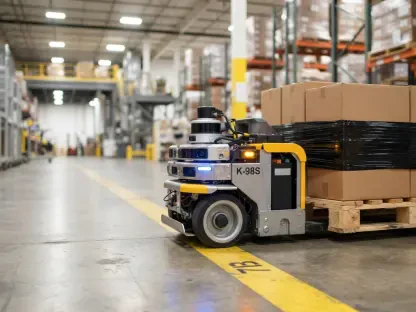
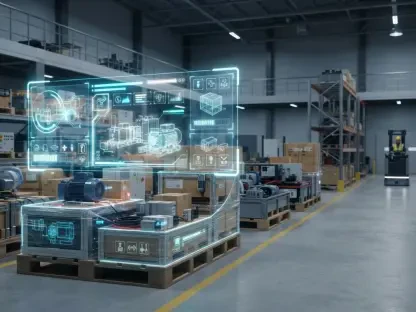
The rapid advancement of automated storage and retrieval systems has fundamentally changed the requirements for the modern pallet. In a facility managed by AI-driven robots and high-speed conveyors, the shipping platform is no longer a passive base but a critical component of the machine’s interface. Molded pallets, with their perfectly uniform dimensions and lack of protruding nails or splinters, are ideally suited for these high-tech environments. A robotic sensor relies on consistent reflection points and predictable edges to move goods at peak speed, and any deviation in the pallet’s structure can lead to a system failure. Precision engineering allows for the inclusion of specialized features like integrated tracking slots or standardized grooves that facilitate a more secure grip for robotic arms. This synergy between the pallet and the machine is a key driver of the high throughput rates seen in the most advanced fulfillment centers of 2026.
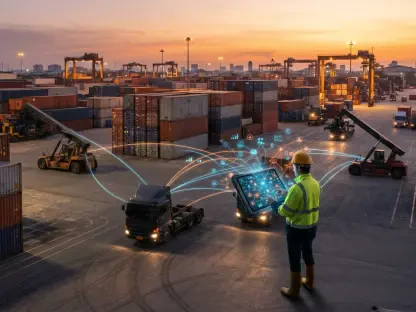
As we look toward the 2026-2028 period, the integration of smart technology directly into the molded structure is becoming a reality. Manufacturers are exploring ways to embed RFID tags and IoT sensors during the molding process, protecting the hardware within the durable fiber body of the pallet. This allows for real-time tracking of location, temperature, and shock levels throughout the entire journey of the goods. Unlike wooden pallets, where sensors must be externally attached and are easily knocked off or damaged, molded pallets offer a protected environment for these high-value electronics. This “intelligent platform” approach enables logistics managers to monitor their supply chain with unprecedented granularity, identifying bottlenecks and potential damage points before they become systemic issues. The precision of the molded design ensures that these sensors are always in the optimal position for scanning and data transmission, turning the pallet into a data-generating asset that adds value far beyond its primary structural function.
Customization and the Shift Toward Durability
The traditional view of the pallet as a “disposable” or “one-way” item is being replaced by a focus on durability and long-term utility. Businesses increasingly recognize that investing in higher-quality, reusable molded platforms can lead to significant savings over the equipment’s lifespan. These durable pallets are designed to withstand dozens, or even hundreds, of trips through the supply chain, moving away from the “buy-break-discard” cycle that has long defined the industry. When a molded pallet eventually reaches the end of its functional life, it can be ground down and recycled back into the manufacturing process to create a new pallet. This true closed-loop system represents the pinnacle of sustainable logistics, ensuring that material remains in the economy and out of the waste stream. This shift toward durability is not just an environmental choice but a strategic economic one, as the cost per trip for a high-quality molded pallet is often lower than that of a cheap, fragile wooden alternative.
Customization is also emerging as a major trend, with manufacturers offering tailored dimensions and load-bearing configurations to meet the specific needs of niche markets. Whether it is a specialized size for a particular shipping container or a reinforced structure for heavy industrial machinery, the flexibility of the molding process allows for custom solutions that were previously cost-prohibitive. For example, the pharmaceutical industry often requires pallets with specific hygienic properties and dimensions that fit into specialized sterilization chambers. By working closely with manufacturers to develop custom molds, businesses can optimize their packaging for their specific cargo, reducing the need for excess dunnage and secondary packaging materials. This ability to tailor the pallet to the product ensures that every shipment is as efficient and secure as possible. The future of logistics lies in this move away from one-size-fits-all solutions toward highly engineered, durable, and customized platforms that serve as a seamless extension of the product itself.
Economic Realities and Global Trade Integration
Calculating the Total Cost of Ownership
To fully understand the value of the transition to molded platforms, one must look beyond the initial purchase price and consider the total cost of ownership over the entire life cycle of the equipment. While a molded pallet may have a higher upfront cost than a basic wooden unit, the long-term savings are substantial when factoring in maintenance, repair, and operational efficiency. Wooden pallets require frequent repairs, with boards needing replacement and nails needing to be hammered back into place after almost every trip. This labor-intensive maintenance adds a hidden cost to every unit that many companies fail to account for properly. Molded pallets, being monolithic and nail-free, require virtually zero maintenance throughout their service life. This eliminates the need for on-site repair teams and reduces the amount of “dead” inventory—broken pallets that occupy space while waiting for repair—in the warehouse. Over the 2026 to 2028 timeframe, companies that have made the switch are reporting a noticeable decrease in their overall equipment management budgets.
Economic benefits are also evident in the reduction of product damage and the associated insurance and replacement costs. In a traditional wooden pallet system, a single loose nail or a splintered board can easily puncture a bag of dry chemicals or scratch the surface of a high-end electronic device. These incidents lead to product loss, expensive cleanup, and potential safety hazards for warehouse staff. The smooth, consistent surface of a molded pallet provides a much safer environment for the cargo, significantly lowering the rate of transit-related damage. Furthermore, the weight savings provided by molded designs translate directly into lower fuel surcharges and transportation fees. When these operational savings are aggregated across a global supply chain, the return on investment for molded pallets becomes clear. By viewing the pallet as a strategic asset rather than a commodity, businesses can unlock significant efficiencies that improve their bottom line while simultaneously meeting their sustainability goals.
Adaptability Across Diverse Market Sectors
The versatility of molded fiber technology has allowed it to penetrate a wide array of industrial sectors, each with its own unique set of challenges and requirements. In the food and beverage industry, hygiene is a top priority, and the non-porous nature of high-density molded fiber makes it naturally resistant to the growth of mold and bacteria. Unlike wood, which can absorb liquids and harbor pathogens, molded pallets are easy to clean and sanitize, making them ideal for transporting perishable goods in temperature-controlled environments. This adaptability ensures that the same basic technology can be used to transport fresh produce, dairy products, and shelf-stable goods with equal efficiency. The pharmaceutical sector also benefits from this cleanliness, as the lack of dust and debris associated with molded pallets helps maintain the integrity of cleanroom environments. This broad applicability across different sectors demonstrates the robust nature of the technology and its ability to solve varied logistical problems.
In the heavy industrial and chemical sectors, the strength and chemical resistance of molded materials are the primary draws, and many molded pallets are engineered to be resistant to common industrial chemicals and oils. This design prevents the degradation that often occurs when wooden pallets are exposed to leaks or spills. This durability is crucial for the safe handling of chemical drums and heavy automotive parts, where a structural failure of the pallet could have disastrous consequences. Even in the rugged environment of construction sites, molded pallets are proving their worth by resisting moisture and extreme temperature fluctuations better than natural lumber. This ability to perform in both sterile labs and muddy construction zones highlights the engineering excellence behind modern molded products. As technology continues to evolve, we can expect to see even more specialized applications emerge, further cementing the role of molded platforms as the universal standard for global trade and industrial handling.
The transition from traditional wood to engineered molded platforms represented a decisive shift in how global supply chains operated. By the mid-2020s, the adoption of these sustainable alternatives moved from a niche experiment to a standard industry practice, driven by the dual needs of environmental compliance and economic efficiency. Companies that integrated molded pallets into their logistics strategy early on realized significant gains in warehouse space and a noticeable reduction in administrative delays at international borders. The move toward a circular economy was accelerated as agricultural waste became a valuable industrial resource, proving that ecological responsibility and profitability are not mutually exclusive. Business leaders had to reevaluate their entire procurement process, moving away from short-term commodity buying toward long-term asset management. This shift not only protected the environment but also created a more resilient and predictable infrastructure for the movement of goods. Moving forward, the industry continued to build on these foundations, focusing on the integration of smart sensors and even more advanced biomaterials to further optimize the global trade network.