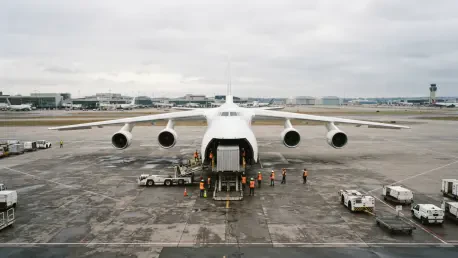

The sheer magnitude of global logistics is shifting toward the skies as industrial demands for speed and reliability fundamentally reshape how products move across international borders. As of 2026, the sector is experiencing a transformative surge driven by the deep integration of digital commerce and the relentless pace of high-tech manufacturing. Analysts and industry leaders are now looking toward a twenty-year horizon where the volume of goods transported via aircraft is projected to increase by 100 percent. This massive expansion is not merely a reflection of increased consumption but is a strategic response to the complexities of modern supply chains, where the cost of delay often outweighs the premium price of air freight. With high-value sectors like semiconductors and artificial intelligence components leading the charge, the aviation industry is preparing for a future that demands a significant increase in both fleet capacity and logistical infrastructure to maintain global trade stability and support the ongoing needs of an interconnected world economy.
Drivers of Aerodynamic Trade Growth
The Impact: Digital Commerce and Consumer Expectations
The global marketplace is currently witnessing a paradigm shift where the traditional reliance on maritime shipping for consumer goods is being challenged by the immediate gratification required by digital consumers. E-commerce platforms have evolved from simple retail sites into sophisticated logistical ecosystems that promise delivery windows measured in days rather than weeks, regardless of the geographic origin of the product. This shift necessitates a robust aerial network capable of handling massive volumes of small packages that require rapid sorting and dispatch at every stage of the journey. As online retail continues to penetrate deeper into emerging markets, the reliance on dedicated air cargo services becomes even more pronounced. The infrastructure supporting this growth involves not only more aircraft but also highly automated distribution centers located near major aviation hubs. By prioritizing air transport, retailers can minimize inventory holding costs and react to shifting consumer trends, ensuring the supply chain remains as fluid and responsive as the digital storefronts it serves.
The Catalyst: High-Tech Industrial Requirements
Beyond the consumer retail space, the movement of high-tech industrial components has become the primary catalyst for the sustained upward trajectory of air freight volumes. As of 2026, the global semiconductor industry and the rapidly expanding artificial intelligence sector depend almost exclusively on air transport to move sensitive and high-value hardware safely. Currently, more than 70 percent of goods related to artificial intelligence are transported by air, a trend that is expected to intensify as global demand for advanced computing power grows. These items are characterized by their high value-to-weight ratio and their extreme sensitivity to time, making them ideal candidates for air freight. The specialized nature of these shipments often requires climate-controlled environments and enhanced security protocols, which air carriers are uniquely positioned to provide. As manufacturing hubs for these critical technologies expand across the globe, the air cargo industry provides the necessary connective tissue that allows the global tech economy to function without the risk of prolonged stockouts or manufacturing delays.
Evolution of the Global Freighter Fleet
Capacity Strategy: Conversion and New Deliveries
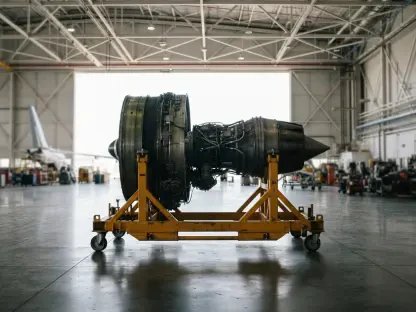
To accommodate the doubling of traffic, the global freighter fleet must undergo a massive expansion, growing by an estimated 67 percent over the next twenty years. This expansion is expected to bring the total number of dedicated cargo aircraft to approximately 4,010 units by 2045, up from the current fleet size of 2,395. The strategy for reaching this capacity involves a balanced approach between the acquisition of newly manufactured freighters and the conversion of existing passenger aircraft. Passenger-to-freighter conversions are projected to account for nearly two-thirds of all fleet additions, offering a cost-effective solution for operators to increase their capacity without the high capital expenditure of new builds. These converted aircraft are particularly attractive for regional and express carriers that require reliable performance but may not have the flight cycles to justify the investment in brand-new airframes. By repurposing mid-life passenger jets, the industry can extend the economic life of these assets while meeting the urgent demand for additional cargo space.
Operational Resilience: Adapting to Global Shifts
The inherent flexibility of air transport provides a crucial buffer for global trade, allowing companies to navigate the complexities of shifting manufacturing landscapes with confidence. Although air cargo represents less than 1 percent of global trade by weight, it accounts for nearly one-third of the total value, underscoring its role as the preferred mode for the world’s most critical commodities. As manufacturing clusters move to new regions to take advantage of lower costs or closer proximity to consumers, the air cargo industry can quickly establish the necessary trade routes to support these new facilities. This ability to pivot rapidly is something that rail or sea transport simply cannot match. For industries that rely on “just-in-time” manufacturing, such as the automotive or electronics sectors, the reliability of air freight is an essential component of their operational strategy. By providing a high-speed link between disparate parts of the global economy, the sector ensures that innovation and commerce can continue to thrive regardless of geographical challenges.
Moving Forward: Strategic Priorities for Global Logistics
Stakeholders across the aviation and logistics landscape recognize the necessity of prioritizing infrastructure modernization and digital integration to support this anticipated surge in demand. Policymakers are acting to streamline customs procedures and enhance airport throughput, while airlines invest heavily in advanced tracking technologies and automated ground handling systems. The transition toward a more sustainable fleet is accelerating through targeted investments in fuel-efficient engines and the adoption of alternative energy sources. Financial institutions provide the necessary capital for massive passenger-to-freighter conversion programs, ensuring that capacity remains aligned with market needs. By 2026, the industry has already begun the process of hardening supply chains against external shocks by diversifying trade routes and expanding regional hubs. These strategic initiatives lay the groundwork for a more resilient and responsive global trade environment that balances environmental responsibility with the increasing logistical requirements of a digitally connected world.