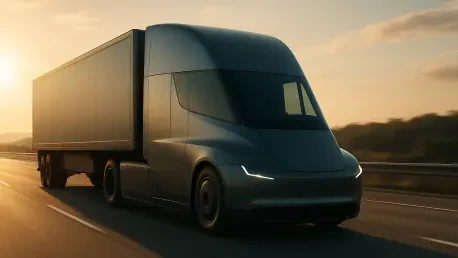

The sight of a forty-ton heavy-duty truck maneuvering through public intersections without a steering wheel or a human cabin is no longer a localized curiosity found only in tech brochures. The transition from experimental pilot programs to consistent daily freight operations has reached a critical mass in 2026, marking a departure from the tentative tests of previous years.
In North American and European logistics hubs, heavy-duty transport now increasingly relies on the convergence of SAE Level 4 autonomy and battery-electric propulsion. Industry pioneers like Einride have successfully removed the driver compartment entirely, creating purpose-built vehicles that prioritize aerodynamic efficiency and cargo space over human ergonomics.
Decoding the Modern Landscape of Autonomous Logistics and Electrification
The current deployment of cab-less electric trucks in places like Marysville, Ohio, demonstrates a shift toward utilizing driverless systems for scheduled routes between warehouses. These vehicles operate on public roads alongside traditional traffic, proving that the hardware and software suites have matured enough to handle complex real-world variables.
The geographic scope of these operations has expanded significantly, with major European industrial centers adopting similar models to streamline their supply chains. This movement is no longer limited to closed-off private yards but includes regulated public corridors designed to facilitate the smooth flow of autonomous goods.
The Technological Leap and Market Trajectory of Driverless Transport
A defining characteristic of this new era is the move toward vehicles designed specifically for automation rather than retrofitted traditional trucks. By eliminating the cab, manufacturers have reduced vehicle weight and improved energy consumption, which is critical for the efficiency of battery-electric powertrains.
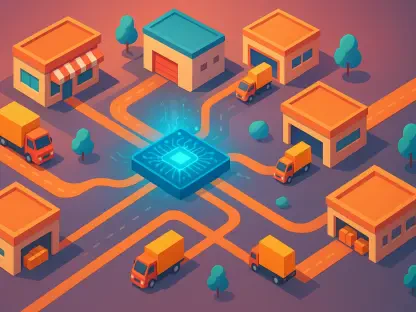
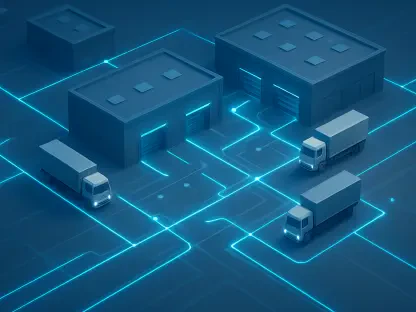
This technological leap is supported by a robust digital infrastructure that connects every vehicle to a centralized management system. The market trajectory indicates that as battery density improves and autonomous software becomes more refined, the cost-per-mile of electric freight will continue to drop relative to diesel alternatives.
Innovations Fueling the Shift to Daily Commercial Cycles
These cab-less trucks are now integrated into daily commercial workflows, moving beyond the prototype phase to provide consistent utility for retail and manufacturing partners. The integration into existing warehouse systems allows for a seamless transition where autonomous units are treated as standard assets in the logistics fleet.
The critical role of remote operation centers ensures that safety remains a top priority during these daily cycles. Off-site supervisors monitor multiple vehicles simultaneously, providing a human layer of oversight that can intervene during unforeseen road conditions or complex maneuvers at loading docks.
Quantitative Growth and the Projected Expansion of Autonomous Fleets
Market data shows a steady increase in the adoption of hub-to-hub autonomous solutions as companies strive to meet aggressive decarbonization targets. Between 2026 and 2028, the number of active autonomous electric units is projected to grow substantially as more logistics providers recognize the long-term savings.
Performance indicators suggest that autonomous systems offer superior uptime compared to traditional human-operated shifts. While humans require mandatory rest, driverless systems can operate continuously, pausing only for high-speed charging sessions that are strategically timed with loading schedules.
Navigating the Technical and Operational Hurdles of a Cab-Less Future
Scaling these operations requires overcoming the limitations of short-range shuttle runs that currently define the sector. While repetitive routes are ideal for early adoption, the next step involves expanding the complexity of the journeys to include more diverse environments and longer distances.
Infrastructure requirements for high-speed charging and dedicated autonomous vehicle corridors remain a significant investment hurdle for many regions. Furthermore, addressing public perception is vital, as the presence of driverless heavy machinery on public thoroughfares necessitates constant safety validation and transparent communication.
Mapping the Global Regulatory Framework for Level 4 Autonomy
Germany’s 2021 Autonomous Driving Law set a global precedent by establishing a clear legal framework for Level 4 vehicles on public roads. This legislation paved the way for federal operating permits granted in September 2026, allowing retail giants to utilize cab-less trucks for regular distribution.
In North America, a state-level approach continues to dominate, with Ohio serving as a primary case study for successful public-private partnerships. Meanwhile, the implementation of the UK’s Automated Vehicles Act 2024 is expected to further standardize safety requirements across the region by late 2027.
Forecasting the Future of Freight: From Shuttle Runs to Global Networks
The evolution of the trucking workforce is shifting the role of the driver from the cabin to a remote supervisory position. This transition allows experienced operators to manage fleets from a desk, improving their quality of life while maintaining the safety of the autonomous system.
Emerging technologies in vehicle-to-everything communication will soon allow these trucks to interact with smart city infrastructure and other vehicles in real-time. This connectivity will enable the expansion of autonomous freight into port automation and last-mile delivery, creating a truly global, carbon-neutral logistics network.
Synthesizing the Realities of the Driverless Electric Revolution
The industry reached a definitive tipping point where the economic and environmental benefits of an automated electric fleet became undeniable for major stakeholders. Investors recognized that the move toward cab-less freight offered a sustainable solution to labor shortages and rising fuel costs. Strategic recommendations suggested that early adopters prioritized infrastructure integration and remote oversight training to capitalize on this revolution. The transition solidified the role of data-driven logistics as the primary driver of global trade efficiency. The successful daily operations in Ohio and Germany demonstrated that driverless freight was no longer a prototype but a functional reality in modern logistics. This evolution marked a pivotal step toward a more automated and carbon-neutral transportation infrastructure.