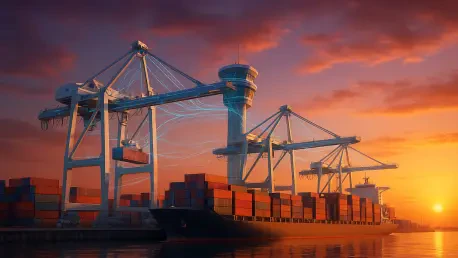
With freight pricing largely commodified across the industry, back-office labor expenses have emerged as the single most important variable affecting a firm's long-term profitability. Lead Smart Inc has addressed this challenge by developing a comprehensive suite of automation tools designed to

Successful freight operations are increasingly relying on drivers who possess deep familiarity with route topography to maximize the fuel-saving potential of high-performance diesel tractors. While the industry pushes toward zero-emission goals, the immediate reality for many logistics fleets

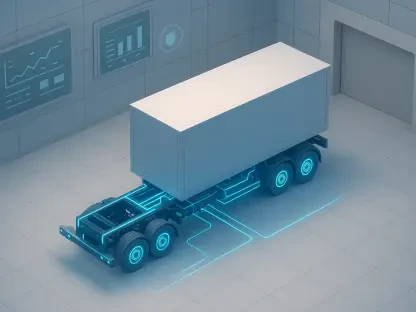
The rapid integration of autonomous systems within the American freight landscape has fundamentally altered the relationship between economic throughput and total energy consumption. As of 2026, the logistics sector remains a titan of the domestic economy, but its traditional reliance on massive
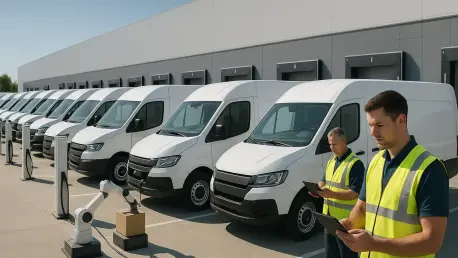
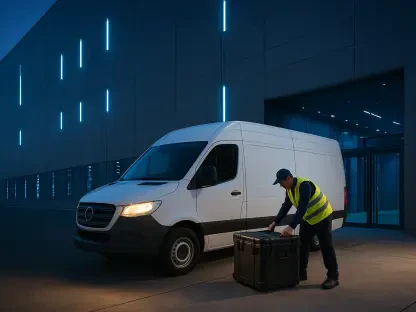
The global logistics sector currently stands at a critical crossroads where the necessity for immediate decarbonization meets the unrelenting pressure for bottom-line growth in a hyper-competitive market. This high-stakes environment is particularly evident in the last-mile delivery segment, where

For decades, the global logistics engine has been stalled by the sheer volume of manual data entry, but the emergence of agentic AI is finally turning the dream of a truly autonomous supply chain into a functional reality. This technological leap signifies more than just a minor software upgrade;

When paired with the specialized Max Workstation, this climbing AMR facilitates a dual-point continuous feeding mode that processes more than 800 totes per hour at a single station. This advancement addresses the chronic bottleneck faced by modern fulfillment centers where traditional conveyor