
The massive transformation of the Indian logistics market into a tech-driven, organized ecosystem is no longer a distant projection but a present-day reality forcing established players to redefine their very existence. The sector is currently navigating a period where traditional freight movement is being replaced by sophisticated, data-rich supply chain management. This shift is particularly visible in the rise of Third-Party Logistics (3PL) and integrated warehousing, which have become essential for businesses seeking end-to-end visibility. National infrastructure projects and a broader move toward formalization are pushing the industry away from its fragmented roots.
As of the current 2026 fiscal cycle, the demand for organized logistics providers has reached an all-time high. Companies that previously relied on unorganized, asset-heavy models are now pivoting toward multimodal frameworks that integrate road and rail. This transition is not merely about moving goods but about providing the technological layer that allows for real-time tracking and operational efficiency. The current market dynamics suggest that only those who can blend physical infrastructure with digital expertise will survive the consolidation wave.
The Evolving Landscape of Indian Surface Logistics and 3PL Services
The logistics environment in India has reached a critical inflection point characterized by a move toward highly organized operations. The surge in e-commerce and the complexity of global supply chains have made traditional transportation methods obsolete for large-scale industrial players. Consequently, 3PL services are no longer a luxury but a necessity for maintaining competitive delivery timelines and reducing overall costs.
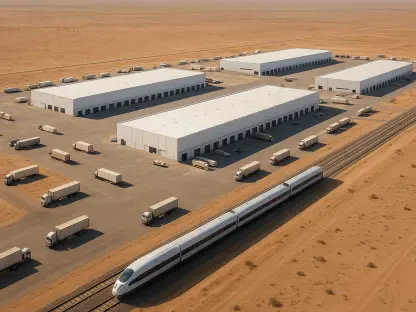
Regulatory shifts and the push for carbon-efficient transport are further accelerating this change. Multimodal frameworks, which combine the flexibility of road transport with the volume efficiency of rail, are becoming the gold standard. This evolution is enabling the industry to shed its fragmented reputation, replacing it with a professionalized structure that prioritizes data-driven decision-making and sustainable growth over the 2026 to 2028 period.
Pioneering the Digital Shift Through High-Growth Multimodal Platforms
Accelerated Tech Adoption and the Rise of On-Demand Logistics Solutions
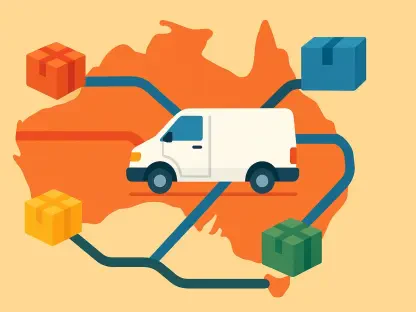
The most prominent trend reshaping the current landscape is the aggressive pivot from asset-heavy operational models to tech-driven ecosystems. Platforms like TrucksUp are at the forefront of this revolution, providing fleet management and automated transaction solutions that were previously unavailable. These digital-first subsidiaries are capturing a new segment of the market that values transparency and real-time data above all else.
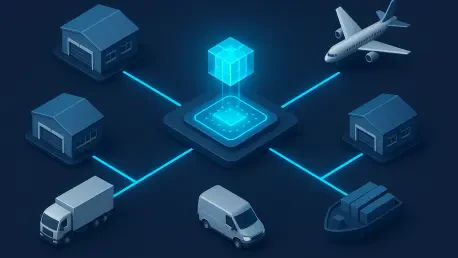
This technological surge is creating entirely new revenue streams through value-added digital services, such as FASTag management and predictive analytics. By streamlining the movement of goods, these platforms allow providers to offer a more holistic service package. The result is a shift toward a “logistics-as-a-service” model, where the physical truck is just one component of a much larger, interconnected digital solution.
Analyzing Financial Performance Metrics and Long-Term Revenue Visibility
Current financial data reveals a clear divergence between core operational performance and the temporary costs of digital expansion. In the first quarter of the 2027 fiscal year, consolidated profits have faced pressure due to the heavy reinvestment required to scale technology arms. However, the standalone logistics operations continue to demonstrate robust health, with steady growth in operating EBITDA and revenue.
High-value contract wins, such as the major distribution deals with refineries and public sector undertakings, provide a stable foundation for this growth. For instance, landmark agreements for polymer distribution ensure long-term revenue visibility, allowing companies to sustain their technological investments. These large-scale projects validate the integrated model and prove that a diverse service portfolio can buffer against the costs of digital transformation.
Navigating the Reinvestment Phase and Operational Hurdles
Transitioning into a tech-enabled provider is not without significant obstacles, primarily the high-burn nature of developing proprietary digital platforms. These expenses often suppress consolidated net profits in the short term, leading to a period where traditional margins appear tighter than they are in core operations. Managing this financial friction requires a delicate balance between funding innovation and maintaining the efficiency of the primary logistics engine.
External volatility, ranging from fluctuating fuel prices to geopolitical tensions affecting petrochemical volumes, adds another layer of complexity. To mitigate these risks, industry leaders are increasingly looking at rail-integrated frameworks to hedge against the rising costs of road transport. Decoupling the funding of technology subsidiaries from the core balance sheet is emerging as a critical strategy to maintain overall financial stability during this intense reinvestment phase.
Strengthening Governance and Regulatory Compliance in a Formalizing Market
The regulatory environment in the current market has become significantly more stringent, with a focus on GST compliance and corporate transparency. Maintaining high standards of governance is now a prerequisite for securing contracts with government entities and major industrial players. Robust internal oversight and the inclusion of seasoned professionals in audit roles have become essential for sustaining investor confidence in this maturing sector.
Security measures and adherence to evolving transportation laws are no longer optional extras but core components of operational viability. Companies are investing heavily in compliance infrastructure to ensure they can meet the rigorous demands of a formalizing market. This focus on transparency not only reduces legal risks but also enhances the brand equity of logistics providers, positioning them as reliable partners for long-term industrial projects.
Strategic Trajectory: From Asset-Heavy Roots to a Tech-Driven Future
The future of the logistics sector is being built on the integration of physical infrastructure with sophisticated digital layers. Innovation in carbon-efficient multimodal transport is expected to be a primary market disruptor, as clients increasingly prioritize sustainability in their supply chains. The ability to offer diversified solutions that leverage both rail and road will define the leaders of the 3PL and warehousing space over the next several years.
Strategic shifts, such as raising independent capital for tech subsidiaries, will likely become more common as companies seek to insulate their core operations from the volatility of tech scaling. This approach allows for faster innovation without compromising the financial health of the traditional business. As the industry continues to evolve, the convergence of physical assets and digital intelligence will be the primary driver of structural dominance.
Verdict on Sustainability: Scaling for Long-Term Structural Dominance
The findings of this report suggested that the logistics industry successfully navigated a complex period of reinvestment by prioritizing future scale over short-term earnings. Management teams across the sector recognized that the transition toward digital-first operations was a non-negotiable requirement for survival. The strategy of decoupling tech funding from core operational cash flows offered a viable path to financial insulation.
Innovation in multimodal logistics remained the most effective hedge against external volatility and rising fuel costs. The analysis indicated that companies which maintained high governance standards while scaling their digital platforms were best positioned for long-term growth. These entities established a template for success by turning experimental technology arms into self-sustaining business units that complemented their traditional infrastructure strengths. Successful integration required a disciplined approach to capital allocation that balanced the needs of a modern digital ecosystem with the resilience of established transportation networks.