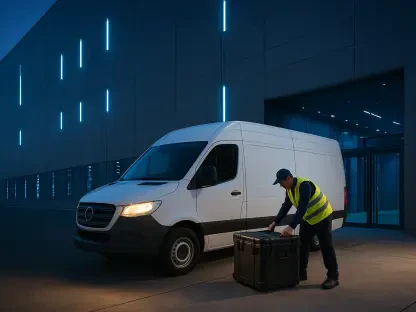

Global supply chains have long struggled with a pervasive lack of granular visibility, leading to billions of dollars in lost inventory and inefficient resource allocation across the modern retail landscape. Traditional tracking methods often fail at the item level because manual scanning is

With decades of expertise in logistics and supply chain innovation, Rohit Laila has witnessed the radical transformation of the retail landscape firsthand. As grocers grapple with the complexities of digital delivery and the shifting demands of the modern consumer, Laila offers a deep dive into the
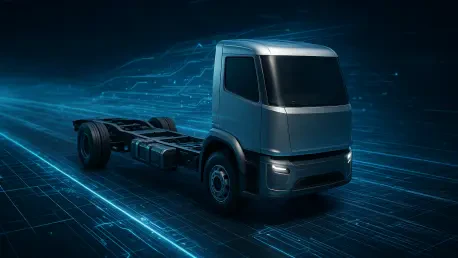
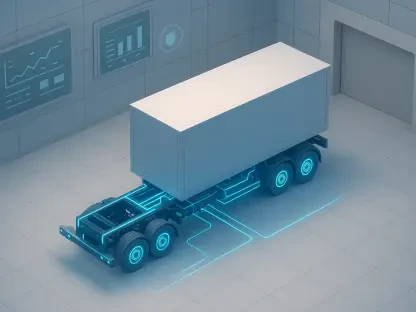
Integrating the proprietary autonomous system into premium electric trucks marks a shift toward specialized roles where humans manage logistics rather than handling long-distance driving. The collaboration between the Swedish freight technology company Einride and the Dutch manufacturer DAF Trucks
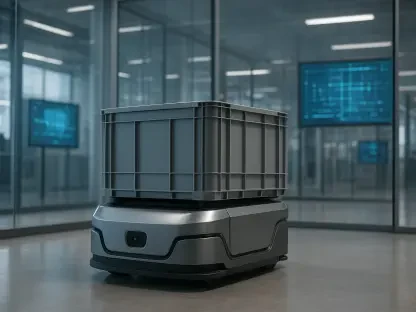
Success in modern intralogistics depends more on granular data analysis and process integration than on the physical procurement of generic robotic hardware. The warehouse environment of today has shed its image as a cavernous shell filled with static shelving and manual labor, transforming instead
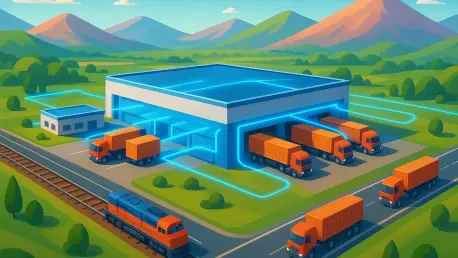
The rapid reorganization of global manufacturing has fundamentally repositioned Mexico from a mere assembly hub into a sophisticated nerve center for high-value integrated logistics that demand precision, speed, and absolute visibility. This shift marks the definitive end of the traditional freight
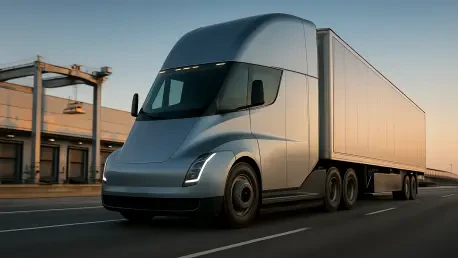
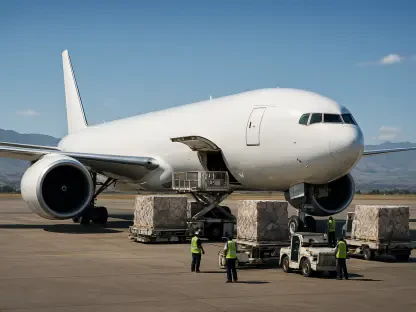
The global supply chain has reached a critical juncture where the traditional separation of long-haul trucking and regional sorting centers no longer meets the demands of modern commerce. Speed is no longer a luxury but a fundamental expectation of the digital economy, forcing major logistics