
By aligning their technical and operational studies, Liege and Viracopos are creating a functional framework to assess the long-term feasibility of new all-cargo routes. This milestone agreement marks a pivotal shift in the transatlantic logistics landscape, formalizing a commercial partnership between Liege Airport in Belgium and Viracopos International Airport in Brazil. The initiative, officially ratified through a memorandum of understanding at the Air Cargo Forum in Miami, is designed to synchronize the unique operational strengths of two primary global hubs. As traditional trade routes face increasing congestion and logistical hurdles, these airports are positioning themselves as high-efficiency alternatives capable of supporting the modern demands of international commerce. By merging their technical expertise and commercial networks, they aim to attract new freighter operations and build a more reliable trade corridor connecting Europe and South America for shippers and freight forwarders across the globe.
Strategic Leadership and Collaborative Framework
Establishing a Functional Business Connection: Operational Engagement
Led by Frederic Brun, Vice President of Sales and Marketing at Liege, and Maria Fan, Chief Commercial Officer at Viracopos, the partnership is grounded in a rigorous engagement system that moves far beyond a typical ceremonial agreement. This functional connection involves scheduled interactions between the business development teams of both organizations to identify shared commercial prospects and streamline communication. By establishing a direct pipeline for information exchange, the airports are better equipped to respond to the fluctuating needs of the global market. The collaborative effort focuses on identifying potential airline partners and providing them with the data necessary to justify new flight frequencies. This systematic approach ensures that both entities are moving in lockstep, leveraging their combined market intelligence to foster a business environment that is both welcoming to new entrants and supportive of existing logistics firms operating within the corridor.
To ensure the long-term sustainability of these new all-cargo routes, the leadership teams are conducting comprehensive technical and operational studies that analyze every link in the supply chain. These studies are critical for assessing the infrastructure requirements and potential commercial incentives needed to attract major airline partners who may be hesitant to expand into new territories. The airports are working together to offer competitive pricing structures and ground handling efficiencies that make this specific route more attractive than traditional alternatives. This proactive stance demonstrates a clear commitment to reducing the barriers to entry for cargo carriers. Furthermore, the collaboration includes joint efforts to navigate the regulatory landscapes of both the European Union and Brazil, providing a smoother transition for companies looking to establish a permanent presence in this growing trade lane. This level of institutional support is expected to drive significant volume growth.
Creating a Global Logistics Bridge: Geographic Synergy
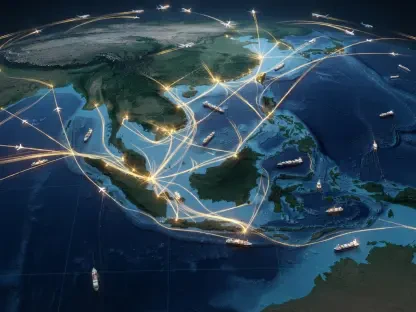
A primary competitive advantage of this collaboration is the seamless integration of geographical networks, which effectively positions Liege as a vital logistics link between Asia and the Americas. Liege Airport has already established itself as a premier European gateway with a robust network of routes connecting to major Asian manufacturing hubs. By formalizing this partnership with Viracopos, which serves as the primary entry point for the Brazilian and broader South American markets, the airports are creating a streamlined path for cargo transiting between three continents. This bridge concept is specifically designed to bypass the traditional bottlenecks found at larger, more congested airports, offering a more direct and predictable flow of goods. Shippers can now look to this partnership to provide a coherent end-to-end solution that simplifies the complexities of global logistics while significantly improving the overall efficiency of long-haul transportation.
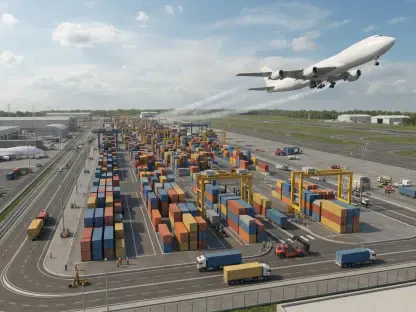
The predictability and speed offered by this new logistics bridge are essential for modern supply chains that increasingly rely on just-in-time delivery models to maintain lean inventories. By connecting the well-oiled machinery of Liege’s distribution network with the growing capacity of Viracopos, the partnership ensures that high-value cargo moves with minimal delay. This strategic alignment is not just about moving boxes; it is about creating a synchronized operational environment where ground handling, customs clearance, and aircraft turnaround times are optimized for speed. This level of coordination is particularly beneficial for time-sensitive commodities that require precise scheduling to reach their destinations. As global trade continues to expand, the ability of these two hubs to offer a reliable and rapid transit solution will be a key differentiator, attracting businesses that prioritize reliability and speed over cost alone. This approach naturally leads to a more resilient supply chain.
Specialized Growth in High-Value Sectors
Prioritizing the Pharmaceutical Cold Chain: Safety and Capacity
The alliance places a heavy emphasis on the pharmaceutical sector, which has recently emerged as a cornerstone of the trade relationship between Europe and Brazil. Data from 2026 indicates that Viracopos has seen a substantial 43% increase in the value of its pharmaceutical imports, reflecting the growing demand for advanced medical products in the South American market. To meet this surge in demand, Viracopos is currently doubling its cold storage capacity through the construction of a dedicated, state-of-the-art warehouse designed to handle temperature-sensitive cargo. This investment ensures that the airport can accommodate the strictest requirements for medical shipments, ranging from vaccines to high-end biotech products. By providing a secure and controlled environment for these sensitive goods, the airport is positioning itself as a leader in life sciences logistics, capable of maintaining the integrity of products throughout their journey from the manufacturer to the end user.
Complementing the infrastructure upgrades at Viracopos, Liege Airport contributes its deep expertise in handling pharmaceutical cargo and its established relationships with global logistics specialists. The partnership aims to provide a seamless cold chain solution that adheres to the most rigorous global safety standards, such as GDP certification. This involves not only the physical storage of goods but also the coordination of specialized handling procedures during the loading and unloading processes. By aligning their operational protocols, the two hubs ensure that there are no weak links in the chain, significantly reducing the risk of temperature excursions that could compromise the efficacy of medical products. This level of quality assurance is vital for pharmaceutical companies that must navigate complex regulatory requirements across different jurisdictions. The combined resources of Liege and Viracopos create a high-quality gateway for manufacturers and distributors.
Capitalizing on High-Tech and Digital Infrastructure: Technological Integration
Technology imports represent another vital pillar of the partnership, with Viracopos currently handling approximately 45% of Brazil’s airborne high-tech goods. The rapid expansion of artificial intelligence, cloud computing, and general digital transformation has sparked an unprecedented need for the specialized handling of server racks and complex data center equipment. These high-value, delicate components require specialized transport solutions that prioritize safety and precision. The Liege-Viracopos alliance is uniquely positioned to handle these requirements, offering a dedicated corridor that understands the nuances of moving sensitive electronic equipment. This involves employing advanced ground handling techniques and utilizing specialized equipment to ensure that technology shipments reach their destination without damage. As Brazil continues to invest in its digital infrastructure, the demand for these services is expected to grow, providing a steady stream of high-value cargo.
The growth in technology shipments is further bolstered by the REData tax regime, a significant government initiative in Brazil that offers fiscal incentives for the acquisition of digital infrastructure equipment. This policy provides a five-year suspension of federal taxes on qualifying data center components, creating a wealth of opportunities for international logistics firms and airlines serving the Brazilian tech market. By reducing the overall cost of importing high-tech equipment, the REData regime encourages local companies to modernize their digital assets, thereby driving increased cargo volumes. The partnership between Liege and Viracopos plans to capitalize on this favorable economic environment by ensuring their logistics chain is optimized for these specific types of shipments. This proactive alignment with local economic policies demonstrates the airports’ commitment to being more than just transit points; they are active participants in the economic development of the regions they serve.
Future Implementation: Strategic Advancements and Integration
The establishment of the alliance between Liege and Viracopos represented a strategic pivot toward specialized, high-efficiency logistics hubs. By focusing on high-growth sectors like pharmaceuticals and e-commerce, the partnership addressed the most dynamic segments of the air cargo industry. The initial implementation of shared technical studies and infrastructure investments created a solid foundation for sustainable route development. For logistics managers and airline executives, the primary takeaway was the importance of choosing partners that offer not just space, but a fully integrated operational ecosystem. Moving forward, the industry should look to this model of cross-continental collaboration as a template for overcoming infrastructure bottlenecks and tax complexities. Stakeholders were encouraged to leverage the specialized cold chain and high-tech capabilities of these airports to enhance their own supply chain resilience. This collaborative framework proved that targeted, data-driven partnerships could reshape global trade.