
To sustain its rapid growth trajectory, the company has secured the necessary funding and technology to target a network expansion of 5,000 units by the end of 2026. This milestone comes as YEEP! celebrates reaching its 4,000th operational locker, representing a significant acceleration in the firm’s attempt to dominate the British out-of-home delivery market. Under the leadership of Jamie Dickinson, who took the helm in late 2025, the organization has effectively doubled its presence, responding to an urgent need for more flexible parcel solutions. The current logistical environment in the United Kingdom demands high-density infrastructure to handle the volume of e-commerce transactions, which continue to rise despite economic fluctuations. By establishing a robust network of automated terminals, the organization is addressing the convenience needs of modern consumers and providing a critical relief valve for traditional courier services currently struggling with the complexities of residential last-mile delivery.
Technological Evolution of Automated Parcel Terminals
Hardware Innovation: The Generation 3 Rollout
The integration of specialized hardware remains a cornerstone of the current expansion, specifically through the strategic rollout of the Generation 3 locker series. Developed in collaboration with the Swiss partner and shareholder kernTerminal AG, these units utilize sophisticated solar and battery-powered systems that eliminate the need for traditional electrical grid connections. This engineering choice allows for rapid deployment across varied urban landscapes, bypassing the lengthy permitting processes typically required for mains power. The hardware is designed to withstand rigorous environmental conditions while maintaining peak operational performance, ensuring that the lockers remain accessible around the clock. By prioritizing energy independence, the company has created a sustainable and flexible model that can be scaled into remote or historically underserved areas. This technical shift reflects a broader industry trend toward reducing the environmental footprint of logistics.
User Interface: Enhanced Touchscreen Specifications
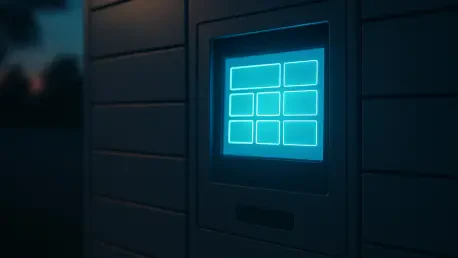
Beyond energy efficiency, the focus on user interaction has led to the mandatory inclusion of high-resolution touchscreen interfaces in all new installations starting in November 2026. These interfaces are designed to streamline the parcel handover process, reducing the time spent by both delivery personnel and customers at the locker site. This technological upgrade is paired with a comprehensive retrofit program that aims to upgrade the existing 4,000 units to the same high standard by the end of the first quarter of 2027. Providing a uniform experience across the entire network is essential for maintaining consumer trust and operational consistency. The transition to touch-based navigation allows for more complex transactions, such as paperless returns, which were previously limited by older hardware configurations. As these units become more prevalent, they serve as visible indicators of the professionalization of the parcel locker sector, transitioning from storage bins to digital kiosks.
Strategic Infrastructure and Market Position
Operating Systems: Proprietary Software Management
Digital sovereignty is achieved through the development and implementation of a proprietary operating system built to manage an open-access network. This bespoke software framework allows for the comprehensive management of every locker site throughout its entire lifecycle, from the initial survey and installation to ongoing monitoring. Having a dedicated internal system provides the management team with unparalleled visibility into real-time operational data, enabling them to identify and resolve technical issues before they impact the end-user experience. Furthermore, the software’s architecture is carrier-agnostic, allowing multiple logistical partners to utilize the same infrastructure without technical conflict. This interoperability is crucial in a competitive market where retailers and couriers seek to consolidate delivery points to improve efficiency. By controlling the underlying software, the company can rapidly roll out updates, ensuring that the network remains at the cutting edge.
Network Resilience: Future Readiness and Performance
The strategic deployment of these technologies finalized a period of significant maturation for the UK parcel network. By focusing on neutral, open-access infrastructure, stakeholders addressed the rising demand for efficient last-mile delivery while mitigating urban congestion. The move to solar-powered units significantly reduced the operational lead time for new sites, allowing the network to surpass its growth targets ahead of schedule. Analysts observed that the successful retrofit of the existing estate established a high standard for service consistency that competitors struggled to match. The actionable takeaway for the industry involved the necessity of owning the full technology stack to ensure long-term reliability and flexibility. Moving forward, the integration of these automated terminals into the broader logistics ecosystem provided a scalable template for future urban planning. This professionalized approach ensured that the delivery infrastructure was robust enough to handle increasing volumes while remaining adaptable.