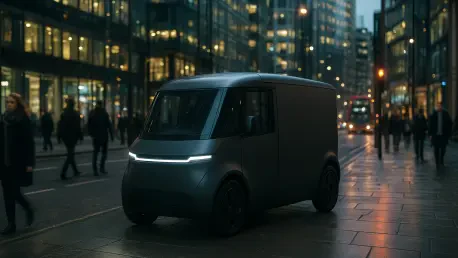

The emergence of real-time accessibility mapping through delivery robot sensors demonstrates a unique intersection of logistics technology and social responsibility. This development follows the launch of a strategic partnership between Deliveroo and Coco Robotics, a move that introduces autonomous pavement robots to the British delivery market for the first time. In the bustling district of Canary Wharf, these electric vehicles have already begun navigating complex urban layouts to deliver orders from local favorites like Patty&Bun and Signorelli. This rollout is not a limited experiment but the start of a multi-city expansion into hubs such as Milton Keynes, Leeds, and Nottingham. By utilizing specialized robots for short-range deliveries, the platform seeks to optimize its logistics framework while maintaining its traditional rider network for longer distances. This hybrid strategy allows the company to scale operations effectively during peak demand periods without overcomplicating the existing street traffic in densely populated urban zones.
Strategic Deployment and Urban Market Integration
The phased rollout across major UK hubs highlights a deliberate strategy to integrate autonomous technology into the existing fabric of high-street commerce. In Milton Keynes, a city recognized for its early adoption of automated solutions, the fleet has already begun servicing a variety of independent establishments and established restaurant groups. This inclusion of local favorites like Smoke and Pepper alongside global chains ensures that the benefits of robotic delivery are accessible to a wide range of merchants. By focusing on high-density areas, the partnership addresses the specific logistical bottlenecks associated with short-range trips in crowded city centers. This approach allows the delivery network to maintain high service standards while merchants gain a reliable method to meet rising consumer demand. The transition to a multi-modal framework reflects a maturing industry where technology is used to complement human labor, ensuring that the most efficient vehicle is chosen for every unique delivery scenario across the United Kingdom.
Economic Revitalization and Regional Infrastructure Investment
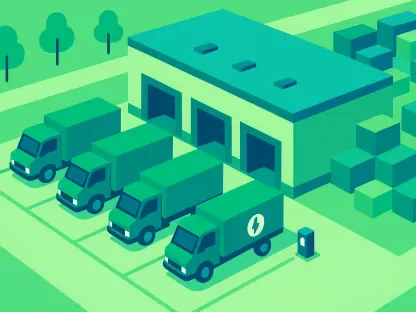
The arrival of Coco Robotics in the United Kingdom represents more than a technological shift; it brings a significant infusion of domestic investment into the nation’s logistics infrastructure. To support the ongoing operation of the robot fleet, dedicated depots and specialized charging stations are being established in every participating city, creating a physical footprint that serves as a backbone for autonomous commerce. This expansion is generating a new category of skilled employment opportunities that extend far beyond the traditional courier model. Local economies are seeing a demand for technical maintenance crews, logistics managers, and remote operational oversight specialists who can monitor the fleet’s performance in real time. These roles contribute to a modernized labor market, providing residents with high-tech vocational paths. By anchoring these facilities in regional hubs, the partnership ensures that the economic benefits of automation are distributed across the country, fostering growth in both the capital and the Midlands.
Environmental Sustainability Through Zero Emission Logistics
Beyond the economic advantages, the shift toward a robotic fleet addresses the urgent need for sustainable delivery solutions in modern urban environments. The Coco robots are fully electric and produce zero tailpipe emissions, making them a core component of efforts to improve air quality in congested neighborhoods. In 2026, as cities across the UK implement more stringent clean air standards, these vehicles provide a compliant alternative to fuel-powered motorcycles and vans. This environmental contribution is further enhanced by the quiet nature of electric motors, which significantly reduces the noise pollution typically associated with traditional delivery services. By moving short-distance logistics off the roads and onto the pavements, the initiative also helps to alleviate the physical traffic congestion that often slows down public transport and emergency services. This commitment to green technology aligns with broader national goals to reduce the carbon footprint of the service industry while providing a seamless and reliable experience for the end consumer.
Enhancing Public Safety and Pavement Accessibility
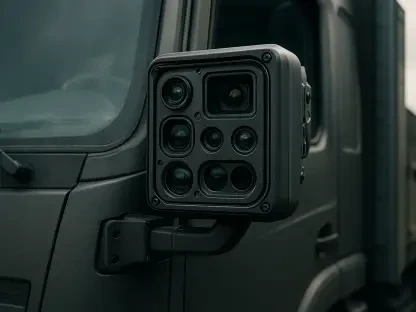
A unique aspect of this autonomous rollout is its ability to serve the community through an innovative partnership with BlindSquare, a GPS application designed for the visually impaired. As the robots navigate city streets, their sophisticated onboard sensors identify various pavement hazards, such as discarded e-scooters, temporary construction barriers, or uneven surfaces. This information is transmitted in real time to the BlindSquare network, providing auditory alerts to pedestrians who rely on the app for safe navigation. This initiative transforms a commercial delivery tool into a real-time accessibility mapping network, demonstrating that autonomous technology can provide significant social utility. The robots are programmed with advanced obstacle-avoidance algorithms that prioritize pedestrian safety, ensuring they move at a walking pace and always yield to human movement. This focus on inclusivity helps to build public trust in autonomous systems, proving that the integration of robots into urban life can enhance safety and accessibility for all members of the community.
Future Technological Pathways for Autonomous Commerce
The UK expansion is a key part of a global trend where industry leaders like DoorDash and Wolt are increasingly relying on autonomous solutions to maintain a competitive edge. Deliveroo’s adoption of this technology reflects a broader consensus that robotic assistance is essential for the future of efficient urban logistics. This transition is characterized by the development of diverse autonomous platforms, including aerial drones and proprietary AI-driven vehicles capable of navigating even more complex environments. As the technology continues to prove its reliability in London and the Midlands, it paves the way for further innovations in high-street commerce. The data collected during these initial stages will be instrumental in refining the next generation of delivery units, making them faster, safer, and more energy-efficient. This move signals that the UK is positioned at the forefront of the global automation race, ensuring that its infrastructure and businesses are prepared for the continued evolution of the digital economy throughout the remainder of the decade.
Strategic Insights for a Multi-Modal Delivery Ecosystem
The successful deployment of the Coco fleet across the United Kingdom demonstrated that the future of logistics relies on a balanced and multi-modal approach to last-mile delivery. While human riders continued to handle the majority of orders, the use of autonomous units for short-range urban tasks proved to be a highly effective way to manage demand and increase reliability. Stakeholders and urban planners should now prioritize the establishment of clear regulatory frameworks to ensure the continued safe co-existence of robots and pedestrians. Businesses are encouraged to evaluate their existing delivery models to identify specific areas where robotic solutions can reduce operational overhead and improve sustainability scores. Moving forward, the industry must continue to leverage the environmental and safety data collected by these vehicles to foster a more inclusive and efficient urban infrastructure. This initiative established a vital precedent for how technological innovation can be harnessed to solve modern logistical challenges while contributing positively to the public good and regional economic stability.