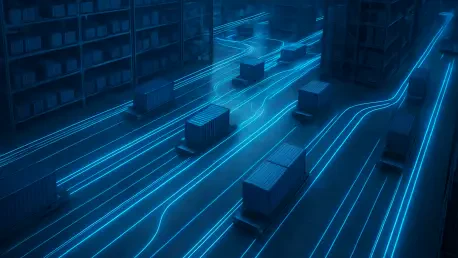

The traditional warehouse management system has long functioned as a rigid digital fortress, often forcing operational leaders to choose between manual workarounds and expensive, multi-year software overhauls. This rigidity created a pervasive operational gap where logistics sites relied on tribal
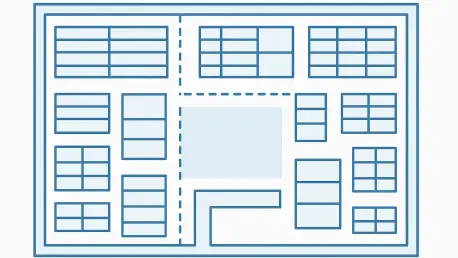
The transition from static, long-term storage commitments to a dynamic logistics framework has become a survival imperative for brands navigating the current landscape of extreme market volatility and unpredictable consumer demand patterns. In the fast-paced commerce environment of the mid-2020s,

Rohit Laila stands at the intersection of traditional logistics and cutting-edge innovation, bringing decades of experience navigating the complexities of global supply chains. He has witnessed the industry transition from manual sorting to the high-tech, autonomous environments that define modern

As an expert in environmental justice and urban transportation policy, my career has been dedicated to untangling the complex relationship between logistics infrastructure and community health. For decades, I have worked alongside coalitions to address how the "last-mile" delivery boom—while
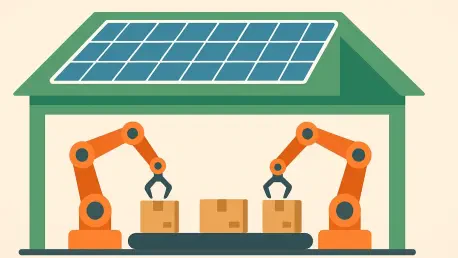
Traditional supply chains are undergoing a radical transformation as global logistics leaders pivot away from sprawling, land-intensive facilities toward dense, automated systems that promise to reconcile commercial growth with the non-negotiable demands of environmental preservation. This

Rohit Laila serves as a vital link in the complex supply chain at General Dynamics Electric Boat, where he manages the critical flow of materials required for U.S. Navy submarine production. With a background that spans over six years in specialized warehouse operations and significant experience