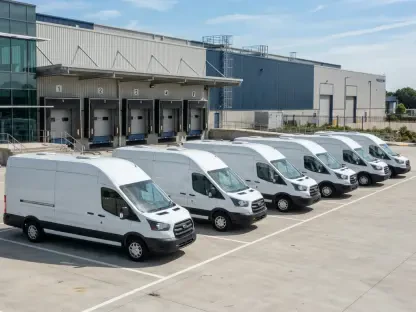

In the high-velocity landscape of modern shipping, the difference between a satisfied customer and a lost opportunity often comes down to the split-second mechanics of a loading bay door. At the new DPD distribution hub in Newton Aycliffe, this reality drove every architectural decision, as strategic infrastructure was designed to eliminate potential bottlenecks before they could ever manifest. This facility at Forrest Park represents a significant advancement in regional supply chain capabilities, showcasing how specialized entrance solutions can transform a simple warehouse into a high-performance logistics engine.
Transforming Logistics Speed Through Strategic Infrastructure
The design of the DPD hub centers on the idea that speed is a product of precision. By integrating high-performance entrance systems early in the development phase, the team ensured that the flow of goods remains uninterrupted even during peak seasonal surges. Every component, from the specific door lift tracks to the leveler mechanisms, was selected to provide a frictionless transition between the warehouse floor and the transport fleet.
This strategic approach extends beyond mere hardware; it involves a holistic view of how vehicles and personnel interact with the building envelope. By reducing the time required for each loading cycle, the facility effectively increases its daily throughput without requiring additional labor. This efficiency is critical for maintaining DPD’s reputation for reliability in a market where delivery windows continue to shrink.
The High Stakes of Modern E-commerce Distribution
The logistics sector in the North East is currently facing unprecedented pressure to modernize, with the demand for rapid parcel turnover reaching new heights. Facilities like the Newton Aycliffe hub must operate as 24/7 environments, requiring infrastructure that can withstand constant use while maintaining strict thermal integrity. The collaboration between DPD, Barberry, and ASSA ABLOY Entrance Systems directly addresses these industrial needs through durable, high-specification equipment.
Operational success in 2026 relies on the ability to minimize downtime caused by mechanical failure or environmental factors. A breakdown at a single loading dock can ripple through the entire regional network, delaying hundreds of shipments and increasing operational costs. Consequently, the focus on heavy-duty, long-lasting entrance solutions is not just a matter of convenience but a necessary safeguard for the modern delivery economy.
Engineering the Hub: A Deep Dive Into Advanced Entrance Solutions
To maximize the internal footprint, the facility features 32 ASSA ABLOY OH1042P insulated sectional overhead doors, which utilize vertical lift tracks to keep the warehouse ceiling clear for racking. Of these units, 25 are specialized wide-access doors measuring 6,160mm, designed to accommodate large-scale cargo movements. Seven additional units incorporate integrated pass doors with low-profile thresholds and panic bars, allowing employees to move safely without opening the massive main sections.
Precision loading is further enhanced by 11 DL6220T telescopic dock levelers, each capable of supporting a six-ton load. These levelers feature a 500mm telescopic lip, which provides a seamless bridge for a diverse range of trailer types, ensuring that even the most varied fleets can dock securely. To withstand the high wind loads typical of the Forrest Park location, each door was outfitted with specialized reinforcement trusses, providing the structural armor necessary for long-term operational resilience.
Industry Perspectives on Automated Logistics Efficiency
Architects and construction specialists involved in the project emphasize that modern industrial design has shifted toward a human-centric model. By integrating vision panels into the dock doors, the hub provides operators with better visibility, reducing the likelihood of accidents during the docking process. These automated safety switches and intuitive controls represent a move away from purely functional design toward systems that actively protect the workforce.
According to experts from AJA Architects and Caddick Construction, the focus on safety and ergonomics actually drives productivity. When workers feel secure and are supported by reliable machinery, the physical strain of high-volume loading is mitigated. This approach minimizes workplace hazards while ensuring that the facility can maintain the peak throughput required by DPD’s rigorous delivery schedules.
Optimizing Distribution Workflows: Strategies for High-Volume Facilities
Maintaining a climate-controlled environment is essential for protecting goods and reducing energy consumption in large-scale warehouses. The hub utilizes advanced dock shelters and buffers to create a tight seal around trailers, preventing heat loss during the transfer of parcels. Furthermore, clear traffic management tools, such as wheel guides and unobstructed wide-access entries, streamline the docking process and prevent accidental damage to the building’s exterior.
The completion of this project provided a clear roadmap for future logistics developments, highlighting the importance of balancing thermal efficiency with operational speed. The partnership effectively addressed the complexities of high-volume parcel turnover by implementing a cohesive system of automated hardware and safety protocols. These solutions offered a durable framework that supported DPD’s goals for the period from 2026 to 2029, ensuring the facility remained a cornerstone of North East distribution for years to come.