
By prioritizing long-term operational stability over reactive seasonal hiring, the organization has successfully lowered supervisor vacancies and overtime rates across the country. This shift marks a fundamental departure from the traditional year-end scramble that once defined the postal industry. Rather than waiting for the leaves to turn before addressing logistical hurdles, the planning cycle now begins in January, allowing for a meticulous analysis of the 40 percent volume increase that characterizes the period between October and December. In 2025, the organization achieved a record delivery average of 2.5 days, an improvement from the 2.8-day mark seen in 2024, and the 2026 strategy is designed to further refine this efficiency. By treating the holiday season as a predictable event rather than a crisis, the agency has stabilized its network of 170 million delivery points. This proactive mindset ensures that the surge in mail and packages is met with a robust, prepared system that maintains high performance.
Workforce Evolution: Transitioning Toward Permanent Labor Models
The transition toward a career-oriented labor model has drastically altered the organizational landscape during high-demand windows. Historically, the agency relied on an influx of up to 40,000 temporary workers to bridge the gap between normal operations and the holiday peak. However, for the 2026 season, that requirement has been reduced to approximately 10,000 seasonal hires, reflecting a significant increase in the permanent workforce. This strategy emphasizes employee retention and specialized training, which fosters a more reliable operational environment. Permanent staff members bring a level of institutional knowledge and technical proficiency that temporary labor cannot match, especially when navigating complex new sorting technologies. By reducing the reliance on transient staff, the organization has created a more predictable labor cost structure. This stability allows for better resource allocation and ensures that supervisors can focus on optimizing throughput.
Furthermore, the emphasis on permanent positions has led to a noticeable decline in the necessity for excessive overtime, which was once a primary driver of operational fatigue and budgetary strain. A more balanced staffing level ensures that employees are not overwhelmed by the 40 percent increase in volume, leading to higher morale and fewer processing errors. The agency has also successfully filled key leadership vacancies across its national network, ensuring that every distribution center has the oversight necessary to maintain strict delivery windows. These internal improvements have created a ripple effect, where a more satisfied and stable workforce translates directly into more reliable service for the American public. The focus on career development means that the professionals handling holiday mail are deeply invested in the long-term success of the organization. This human-centric approach to logistics is a cornerstone of the 2026 modernization strategy, proving that human capital is just as vital as hardware.
Infrastructure Revitalization: The Network of the Modern Era
The physical infrastructure of the mail network has undergone a massive transformation to facilitate the rapid movement of goods across the country. A key component of this modernization is the establishment of 182 Sorting and Delivery Centers, which serve as central hubs for transitioning mail from long-haul processing to local delivery routes. These centers are strategically located to reduce the distance mail must travel before reaching its final destination, thereby cutting down on transit times. Additionally, the deployment of 19 Regional Processing and Distribution Centers and 68 Local Processing Centers has created a more streamlined, hierarchical flow for regional mail operations. By centralizing these functions, the agency has eliminated many of the bottlenecks that previously occurred during high-volume periods. This logistical realignment allows for a more fluid movement of inventory, ensuring that even during the peak of the holiday rush, the system remains clear of congestion.
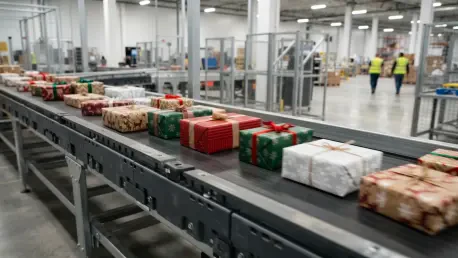
Complementing this physical expansion is the aggressive installation of high-speed sorting technology across the entire network. Over the last six years, the organization has added 673 state-of-the-art package sorting machines, with 164 of those units integrated during the current year alone. These machines have dramatically increased the daily processing capacity, allowing the agency to handle a wider variety of parcel sizes and weights with greater speed. Beyond simple sorting, these automated systems provide high-resolution scanning that is essential for real-time tracking requirements. The ability to process larger volumes without manual intervention reduces the physical strain on workers and minimizes the risk of human error in the sorting process. This technological leap ensures that the organization can meet the demands of a modern e-commerce landscape, where speed and precision are standard expectations. The integration of these machines has effectively raised the ceiling on national processing.
Logistics Performance: Fleet Reliability and Technological Visibility
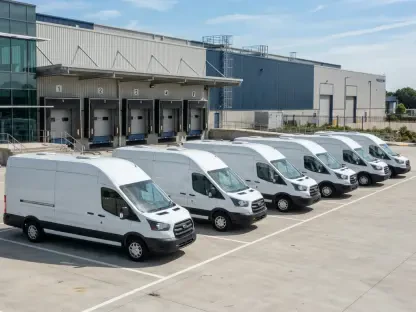
The revitalization of the delivery fleet and the integration of next-generation tracking platforms have redefined the reliability of the shipping lifecycle. Over 45,000 new vehicles have been deployed, including electric units and Purpose-Built Next Generation Delivery Vehicles, to ensure that the winter surge is met with dependable hardware. This modernized fleet significantly reduces the risk of mechanical breakdowns that can derail time-sensitive holiday deliveries. Simultaneously, the new tracking platform provides data updates four times faster than previous systems, often refreshing package status within sixty seconds. This real-time visibility allows for instantaneous routing verification, which is crucial for preventing misdeliveries during high-volume periods. By combining high-tech monitoring with a resilient physical fleet, the organization has created a dual layer of protection against the variables of the holiday season. These advancements provide the transparency that consumers expect today.
The 2026 modernization strategy successfully transitioned the postal network from a reactive service into a proactive logistical powerhouse. By expanding customer solutions like USPS Smart Lockers and flexible return options at over 31,000 locations, the agency addressed modern security and convenience needs. These initiatives, coupled with competitive shipping tiers such as Ground Advantage, solidified the organization’s position as a market leader for holiday logistics. The past year proved that investing in permanent infrastructure and a stable workforce was the most effective way to manage a 40 percent volume surge. Actionable next steps for the coming cycles included further expanding the electric fleet and deepening the integration of automated sorting to handle even greater complexity. Ultimately, the focus on data-driven network planning and early preparation eliminated the volatility of previous peak seasons, ensuring precision across all 170 million address points.