
The sheer verticality of modern industrial architecture is redefining how global trade centers operate, particularly in dense urban landscapes like Shenzhen where every square inch of earth is a contested asset. As global supply chains face increasing pressure for speed and reliability, the

The modern supply chain stands at a crossroads where the hyper-efficient robotics of the warehouse floor collide with the analog chaos of the exterior pavement, creating a friction point that costs the global economy billions annually. This analysis identifies a profound market paradox: while

The rapid evolution of American consumer behavior has fundamentally altered the architectural landscape of metropolitan logistics, forcing retailers to abandon centralized shipping models in favor of hyper-local automation. This transition is not merely a tactical adjustment to existing supply

Rohit Laila is a seasoned veteran in the logistics space, having spent decades navigating the complexities of global supply chains and omnichannel fulfillment operations. Known for his deep-seated passion for technological innovation, he has been a vocal advocate for how strategic third-party

The rapid convergence of digital inventory management and physical retail execution has transformed the way modern merchants approach customer satisfaction and supply chain efficiency. Unified commerce represents a strategic move beyond simple omnichannel sales toward a transparent environment

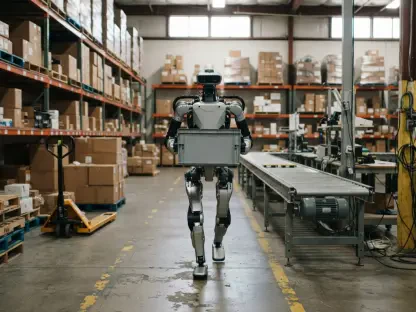
The seamless efficiency of modern logistics no longer rests on the stamina of human workers but on the sophisticated reasoning of silicon and steel. As supply chains face a staggering 90% talent acquisition gap, the pivot toward automated infrastructure has transformed from a futuristic luxury into