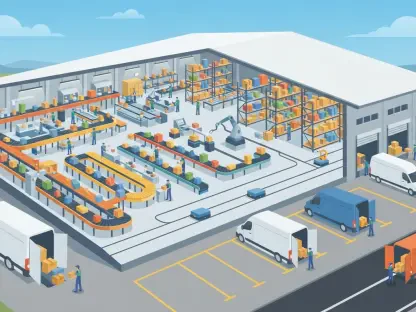

The rapid evolution of American consumer behavior has fundamentally altered the architectural landscape of metropolitan logistics, forcing retailers to abandon centralized shipping models in favor of hyper-local automation. This transition is not merely a tactical adjustment to existing supply chains but a profound reimagining of the urban retail environment. As of 2026, the traditional warehouse model, characterized by massive facilities located hours away from the end consumer, is being systematically replaced by Micro Fulfillment Centers (MFCs). These compact, highly efficient hubs are strategically placed within existing storefronts or small urban basements to ensure that the distance between the product and the customer is measured in blocks rather than miles.
This revolution is driven by the escalating necessity for speed in a digital-first economy where the delivery window has shrunk from days to minutes. Retailers are increasingly utilizing their physical footprints as hybrid spaces that serve both walk-in customers and high-velocity online fulfillment operations. The integration of these systems allows for a more resilient supply chain that can bypass the traditional bottlenecks of interstate transport and regional sorting centers. Consequently, the industry is seeing a significant shift in capital investment toward technologies that prioritize density and picking speed over traditional storage capacity.
Furthermore, the surge in urban living and the decline of traditional shopping malls have provided a unique opportunity for logistics providers to repurpose vacant commercial real estate into high-tech distribution nodes. These facilities utilize every available cubic inch of space through sophisticated robotic grids, allowing for a level of inventory density that was previously unimaginable in city centers. This move toward hyper-local logistics is the cornerstone of the modern omnichannel strategy, ensuring that the supply chain remains as agile as the consumers it serves.
Catalysts for Growth and Statistical Market Projections
Robotic Integration and the Shift Toward Same-Hour Delivery
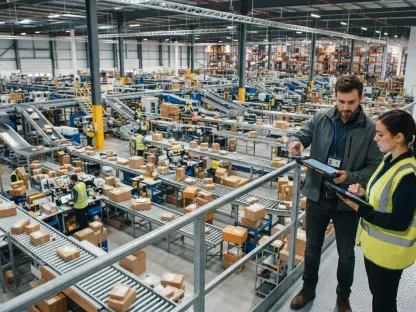
The primary engine of this market expansion is the rapid maturation of robotic systems that can operate with surgical precision in confined spaces. Industry leaders such as AutoStore and Swisslog have pioneered cube-based storage solutions that allow robots to navigate dense grids of inventory bins. These systems have moved beyond experimental phases and are now standard components in the fulfillment strategies of major grocery and general merchandise retailers. By automating the most labor-intensive aspects of the picking process, these technologies have enabled a shift toward same-hour delivery windows that were previously cost-prohibitive.
Moreover, the software governing these robots has become increasingly sophisticated, utilizing artificial intelligence to optimize the placement of inventory based on real-time demand signals. This means that high-demand items are automatically moved to the top of the storage grid during peak hours, further reducing the time required to fulfill an order. The synergy between physical robotics and digital intelligence has created a fulfillment environment where human error is virtually eliminated, and throughput is maximized. As these technologies become more modular and affordable, even mid-sized retailers are beginning to integrate automated picking into their local operations to keep pace with industry giants.
Quantifying the Surge: A $15 Billion Valuation by 2035
The financial trajectory of the U.S. micro fulfillment market reflects a period of unprecedented investment and adoption. In the current 2026 landscape, the market has already established a multibillion-dollar foundation as automation becomes a competitive necessity. Financial models suggest that between 2026 and 2035, the sector will experience a compound annual growth rate of 19.10 percent. This sustained expansion is expected to drive the total market valuation in the United States to a projected $15.36 billion by 2035. This growth is mirrored on a global scale, where the market is tracking toward a staggering $52.26 billion within the same timeframe.
The disparity between domestic and international growth rates indicates that while the United States is currently the primary laboratory for these technologies, the model is rapidly being exported to other high-density global markets. Investors are particularly focused on the grocery sector, which accounts for a significant portion of the micro fulfillment demand due to the perishable nature of the goods and the high frequency of consumer orders. The transition from manual “click-and-collect” models to fully automated micro-hubs is the single largest factor contributing to this valuation surge, as it promises to turn the high cost of last-mile delivery into a sustainable and profitable operation.
Navigating Structural Obstacles and High-Density Real Estate Costs
Despite the clear benefits of micro fulfillment, the industry must contend with the significant hurdle of high-density real estate costs. Securing a footprint in prime urban areas like New York, Chicago, or Los Angeles involves competing for some of the most expensive property in the world. For many retailers, the cost of rent in these locations can threaten the thin margins typical of high-velocity retail. Consequently, companies are looking for creative solutions, such as utilizing “grey space” in parking garages or the underutilized upper floors of existing retail buildings, to house their automated systems without paying premium street-level rates.
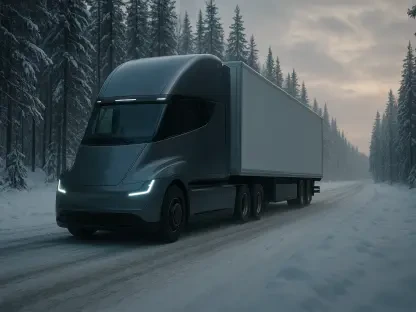
The technical complexity of retrofitting older urban structures also presents a formidable challenge. Many buildings in metropolitan centers were not designed to support the weight of massive robotic grids or the electrical requirements of continuous automated operations. Upgrading these facilities requires substantial structural reinforcement and the installation of advanced power management systems to prevent grid overloads. Furthermore, the logistical challenge of moving freight in and out of congested urban centers without disrupting local traffic requires a level of coordination that necessitates sophisticated route-planning software and specialized loading infrastructure.
The Regulatory Landscape of Automated Urban Warehousing
As automated hubs become more prevalent, the regulatory environment is shifting to address the unique impact of these facilities on urban life. Municipalities are increasingly focused on zoning laws that define how and where these automated centers can operate, particularly regarding noise pollution and the traffic generated by delivery fleets. Some cities have begun to implement restrictions on the hours of operation for fulfillment hubs located near residential areas, forcing companies to invest in quieter robotic systems and electric delivery vehicles. Compliance with these evolving local ordinances is now a critical component of any micro fulfillment strategy.
Beyond local zoning, there is a growing emphasis on safety standards for human-robot interaction within these confined spaces. Regulatory bodies like OSHA are continuously updating guidelines to ensure that the integration of autonomous mobile robots does not compromise the safety of the human workers who oversee them. Additionally, the massive amounts of consumer data processed by these AI-driven systems have brought cybersecurity and data privacy to the forefront of the regulatory discussion. Ensuring that local fulfillment operations are both physically and digitally secure is a mandatory requirement for maintaining consumer trust and avoiding the stiff penalties associated with data breaches.
Technological Disruptions and the Future of Autonomous Commerce
Looking ahead, the industry is moving toward a model of autonomous commerce where the line between the consumer and the supply chain becomes increasingly blurred. Predictive AI is evolving to the point where it can anticipate consumer needs with high accuracy, allowing retailers to pre-position inventory in urban hubs before an order is even placed. This anticipatory logistics model will likely lead to a subscription-based retail environment where essential goods are automatically delivered on a schedule optimized by machine learning. In this scenario, the micro fulfillment center acts as a local “pantry” for the neighborhood, blurring the distinction between storage and consumption.
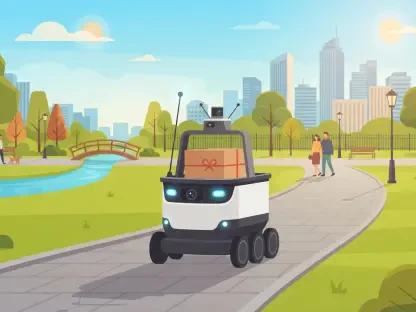
Furthermore, the emergence of “dark stores”—locations entirely dedicated to automated fulfillment with no public access—will continue to reshape the retail landscape. These facilities allow for a level of efficiency that is impossible in a hybrid store environment where robots and shoppers must share the same space. Innovations in modularity, such as the systems developed by Takeoff Technologies, allow for these hubs to be deployed rapidly in a variety of settings, from repurposed strip malls to shipping containers. As drone delivery and autonomous sidewalk robots become more integrated into the last-mile ecosystem, the future of commerce will be defined by a seamless, invisible supply chain that operates 24 hours a day.
Strategic Summary and Investment Outlook for the Next Decade
The comprehensive analysis of the U.S. micro fulfillment market indicated that the shift toward hyper-local, automated logistics was an irreversible trend driven by the demands of the modern consumer. It was found that the companies that successfully navigated the complexities of urban real estate and regulatory compliance gained a significant competitive advantage in delivery speed and operational efficiency. The data suggested that the integration of advanced robotics and predictive AI provided the only viable solution for managing the rising costs of last-mile logistics in high-density environments. Market leaders who prioritized modularity and scalability were the ones who managed to capture the largest share of the growing $15 billion market.
Retailers were encouraged to consider the utilization of multi-tenant micro fulfillment centers as a way to share the high costs of urban infrastructure while maintaining their own unique logistics workflows. The findings also highlighted the importance of edge computing, where data processing occurred locally within the fulfillment center to minimize latency and improve the real-time responsiveness of robotic grids. It was concluded that the next decade would be defined by a focus on sustainable, quiet, and highly integrated urban hubs that functioned as essential components of city infrastructure. Strategic investment in these areas was recommended as the most effective path toward long-term profitability and market resilience in the face of an increasingly digital and fast-paced economy.