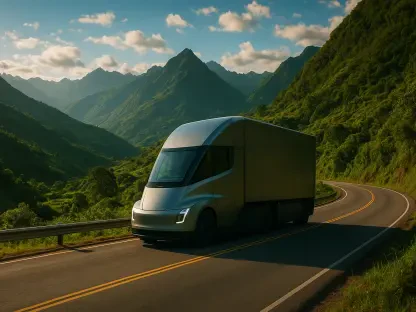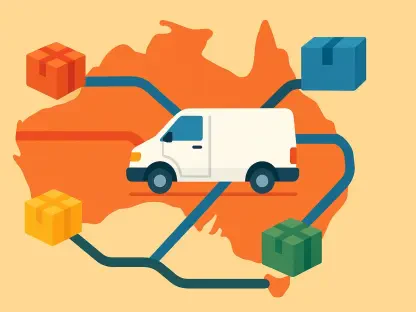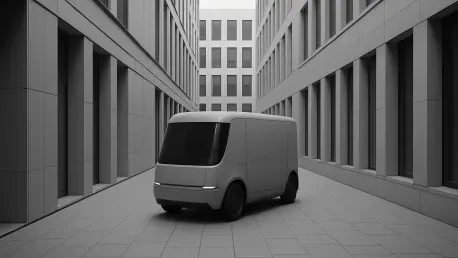

The rhythmic hum of electric motors on suburban streets at midnight signifies a fundamental shift in how goods move through our increasingly dense urban centers without a single human driver behind the wheel. This transition marks the evolution of last-mile delivery from a labor-intensive manual process to a sophisticated automated system. Major players like Momenta, Waymo, and Amazon have recognized that while passenger robotaxis captured early headlines, the commercial transport of goods offers a more immediate path to scalability. Consequently, the industry is pivoting toward specialized robovans designed to navigate city streets under rigorous automotive-grade safety standards. This shift addresses the mounting pressure on global supply chains as e-commerce demand continues to outpace available human labor.
Scaling the Future of Urban Logistics and Autonomous Transport
The transition to autonomous logistics is driven by the need for consistency in an unpredictable urban environment. Fleet operators are moving away from trial programs and toward full-scale commercial deployments that prioritize predictable delivery windows. Regulatory bodies have responded by drafting frameworks that emphasize vehicle durability and sensor redundancy, ensuring that these vans meet the same safety benchmarks as traditional trucks. This environment has fostered a collaborative ecosystem where tech firms and logistics giants share data to optimize route efficiency.
The Technological Evolution Reshaping Delivery Systems
Innovative AI Frameworks and Map-Free Navigation Strategies
The foundation of this revolution lies in physical AI, exemplified by the R7 World Model which enables vehicles to interpret their surroundings with human-like intuition. Unlike previous iterations of autonomous driving that relied heavily on brittle high-definition digital maps, modern systems utilize map-free navigation strategies. This approach leverages real-time sensor data and billions of kilometers of accumulated driving history to refine algorithms in situ. By moving away from pre-mapped environments, these vans gain the flexibility to operate in areas where digital infrastructure is outdated. Furthermore, a unified tech stack allows developers to apply the same intelligence to passenger cars, light vans, and heavy trucks simultaneously.
Market Trajectory and the Economic Shift Toward Automated Goods
Economically, the move toward automated goods transport promises to double logistics productivity by 2030 by eliminating the constraints of driver fatigue and hourly wages. Current investment trends favor robovan technology over traditional courier services due to the potential for significant reduction in operational overhead. In China and other major global markets, autonomous logistics sectors are showing robust growth indicators as fleet operators seek to mitigate the rising cost of manual delivery. The long-term objective is to create a seamless flow of goods that operates independently of human schedules. This transition is now a commercial necessity driven by the need for 24/7 fulfillment capabilities.
Navigating the Physical and Technical Barriers of Last-Mile Delivery
However, the mechanical challenge of the doorstep gap remains a formidable obstacle for even the most advanced autonomous fleets. While a van can navigate complex urban density and unpredictable weather with ease, the final handoff of a parcel to a customer’s door requires specialized hardware that is still maturing. Reliability issues concerning hardware longevity and the high costs of 24/7 maintenance also weigh heavily on the sector. Initial research and development expenses are substantial, forcing firms to balance technological ambition with the pragmatic requirements of a sustainable return on investment.
Security Standards and the Global Regulatory Landscape
Compliance with municipal safety protocols and the acquisition of autonomous vehicle licenses are now central to the global regulatory landscape. Cybersecurity remains a top priority as map-free, sensor-based navigation systems generate and process massive amounts of sensitive data. International safety ratings are beginning to influence commercial deployment, creating a standardized framework for unmanned logistics. Legal liability frameworks are also evolving to address the complexities of accidents involving driverless vehicles. Ensuring that these machines can interact safely with pedestrians is paramount for maintaining public trust.
Future Horizons: Embodied Intelligence and the Workforce Transformation
Looking ahead, the expansion of autonomous frameworks into the realm of embodied intelligence will likely trigger a broader robotics revolution. This evolution will inevitably impact the global courier and trucking workforce, necessitating a strategic transformation in labor roles. Market disruptors like delivery drones and modular hubs are already being integrated into the supply chain to provide a multi-layered approach to automation. The goal is a fully integrated, intelligent urban supply chain where every movement is optimized by a central AI brain.
Assessing the Viability of Robovans as the Ultimate Logistics Solution
The strategic pivot toward robovans represented a significant milestone in the journey toward a fully automated logistics network. Stakeholders evaluated the potential of the R7 World Model and determined that while technology successfully bridged the navigational divide, the physical requirements of delivery still demanded innovative hardware solutions. Strategic recommendations for investors emphasized the need for a balanced approach that combined technological optimism with current labor realities. It became clear that the ultimate success of autonomous logistics depended on integrating vehicle intelligence with functional, doorstep-oriented infrastructure. By focusing on scalability and data-driven safety, the industry laid the groundwork for an era where the movement of goods was efficient.