
The transformation of New York City’s residential streets into high-velocity logistics corridors has fundamentally altered the urban fabric, turning once-quiet neighborhoods into bustling distribution arteries for global e-commerce titans. As these companies increasingly dominate the municipal landscape, City Hall has signaled a decisive shift in its approach to the logistics sector. Mayor Zohran Kwame Mamdani’s official endorsement of the Delivery Protection Act marks a pivotal moment in the city’s effort to regulate an industry that has operated with significant autonomy for years. This legislative move seeks to balance the undeniable convenience of rapid delivery with the essential requirements of public safety and labor rights.
Reshaping the Last-Mile Logistics Landscape in New York City
The e-commerce delivery industry has undergone a radical metamorphosis, transitioning from a peripheral convenience service into a critical component of the city’s urban infrastructure. This evolution was not accidental but rather the result of a deliberate strategy by market leaders to embed themselves into the daily routines of millions of residents. Today, the logistics network is as vital to the city’s functioning as the power grid or the water system, facilitating the movement of millions of packages daily. However, this integration has come with significant challenges, as the sheer scale of the operation now tests the limits of the city’s physical and regulatory capacity.
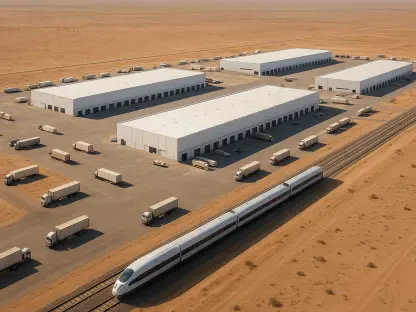
Global e-commerce giants have moved aggressively to establish a dominant presence across the five boroughs, leading to a proliferation of high-volume distribution hubs. These last-mile facilities are strategically positioned to minimize delivery times, often appearing in areas previously reserved for light manufacturing or traditional warehousing. The concentration of these hubs has effectively decentralized the sorting process, bringing heavy industrial activity into closer proximity with residential populations. This expansion has been characterized by a relentless drive for efficiency, with warehouses operating around the clock to meet the demands of an increasingly impatient consumer base.
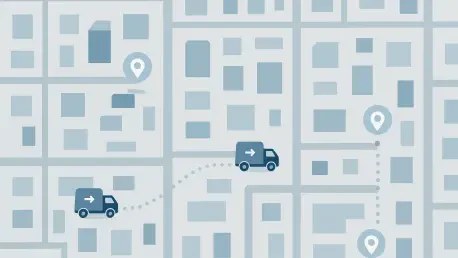
The integration of advanced logistics technology and algorithmic routing has further intensified the pace of these operations. Modern delivery systems rely on complex software to optimize every second of a driver’s shift, dictating the most efficient paths through the city’s congested streets. While this technological sophistication has driven industry efficiency to record highs, it has also created a rigid environment where the human element is often secondary to the data. The rapid expansion of last-mile warehouse facilities serves as the physical backbone for these digital systems, providing the necessary space for high-speed package sorting and vehicle loading.
Furthermore, the industry has largely pivoted toward a subcontracting-heavy business model, which has profound implications for municipal regulatory frameworks. By utilizing a network of third-party delivery service partners, major corporations can distance themselves from the day-to-day management of the workforce. This structure creates a fragmented labor market where the parent company maintains control over logistics and performance standards while avoiding the direct legal responsibilities associated with employment. The shift has prompted city officials to reconsider how traditional labor laws apply to a modern, tech-driven logistics landscape.
Analyzing the E-Commerce Boom and Urban Infrastructure Impact
Shifting Consumer Habits and the Rise of Rapid Fulfillment
The rise of the on-demand economy has fundamentally reshaped consumer expectations, fueling an unprecedented demand for local distribution centers. Shoppers now view same-day or next-day delivery not as a luxury, but as a standard requirement of the digital marketplace. This shift in behavior has forced logistics providers to move their inventory closer to the end consumer, leading to the current saturation of last-mile facilities in urban centers. As the frequency of orders increases, the physical strain on the city’s streets and sidewalks becomes more apparent, necessitating a reevaluation of how urban space is allocated for commercial use.
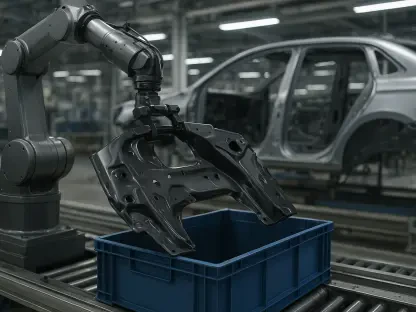
Emerging technologies in package sorting and route optimization are the primary engines driving this newfound efficiency. Automated systems within warehouses can now process thousands of items per hour, while predictive algorithms anticipate consumer demand before orders are even placed. These innovations allow the industry to handle massive volumes with fewer errors, yet they also contribute to a high-pressure environment for the workers tasked with keeping pace with the machines. The strategic influence of market leaders on the city’s logistical footprint cannot be overstated, as their operational decisions dictate the flow of traffic across entire neighborhoods.
Growth Projections for the Logistics Sector and Delivery Volume
Statistical analysis of delivery volume increases suggests that the strain on the city’s infrastructure will only intensify from 2026 to 2030. Current projections indicate a steady rise in commercial vehicle traffic, with delivery vans becoming a permanent and pervasive fixture of the urban landscape. This growth is mirrored by the performance indicators of last-mile facilities, which continue to contribute significantly to the city’s economic output. However, the economic benefits are increasingly weighed against the social and environmental costs of such high-intensity operations, including increased noise pollution and wear and tear on public roadways.
The future outlook on the sustainability of the current rapid-delivery model remains uncertain under increasing municipal scrutiny. While the efficiency of the model is undeniable, its reliance on a high-volume, low-margin approach raises questions about its long-term viability in a densely populated environment like New York City. Regulators are increasingly concerned that the current pace of expansion is incompatible with the city’s goals for traffic reduction and pedestrian safety. Consequently, the industry is facing a period of transition as it attempts to adapt to new legislative requirements while maintaining its service standards.
Addressing the Systemic Risks of the Subcontracting Model
The prevailing subcontracting model has created a significant accountability gap, where the legal distance between parent corporations and their third-party delivery partners complicates the enforcement of safety standards. This system often leaves independent contractors and small delivery firms with the burden of maintaining vehicles and ensuring driver compliance, even as the parent company dictates the rigorous productivity quotas that govern their work. When accidents occur, the convoluted nature of these contracts can make it difficult for victims to seek recourse against the multi-billion-dollar entities that ultimately profit from the delivery.
There is a clear and growing tension between strict corporate productivity quotas and the physical safety of drivers and pedestrians. Drivers are frequently pressured to meet delivery windows that do not account for the realities of New York City traffic, leading to hazardous driving behaviors such as double-parking in bike lanes and speeding through residential zones. The emphasis on speed over safety is a systemic byproduct of a model that prioritizes volume above all else. Mitigating these negative externalities requires a comprehensive strategy that addresses the operational roots of high-density warehouse operations in residential zones.
Balancing industry innovation with the need for corporate liability and labor protections is one of the most pressing challenges facing the Mamdani administration. While the city welcomes the technological advancements brought by e-commerce leaders, it cannot ignore the labor disparities created by the gig economy and subcontracting practices. Policymakers are now focused on ensuring that innovation does not come at the expense of worker dignity or public safety. The push for greater corporate accountability is seen as a necessary corrective to a market that has, for too long, prioritized growth over the well-being of the communities it serves.
The Delivery Protection Act: A New Regulatory Framework
The Delivery Protection Act is designed to dismantle the corporate legal shields that have historically protected e-commerce giants from the consequences of their subcontracted operations. By establishing a direct link between the parent corporation and the delivery workers, the DPA aims to ensure that those with the most resources are held responsible for the safety of their logistics networks. This legislation represents a bold attempt to modernize the legal definition of an employer, reflecting the realities of the twenty-first-century digital economy. It seeks to create a more transparent system where responsibility is clearly defined rather than hidden behind layers of contracts.
Under the new framework, the Department of Consumer and Worker Protection (DCWP) will play a central role in enforcing licensing and safety standards. Last-mile facilities will be required to obtain city licenses to operate, providing the municipal government with a powerful tool to ensure compliance with local laws. The DCWP will have the authority to inspect facilities, review safety protocols, and even revoke licenses if companies fail to meet the required standards. This move toward a license-based system marks a significant departure from the previously unregulated expansion of the logistics sector.
The impact of the DPA on traditional labor classifications is expected to be profound, as it challenges the notion that delivery workers are merely independent contractors. By pushing for direct employer accountability, the city is advocating for a system where workers have access to the same protections and benefits as employees in other essential sectors. This includes standardized training protocols and environmental standards that must be met by all last-mile facility operators. These requirements are intended to improve the quality of the workplace and reduce the high rates of injury often associated with rapid-fulfillment jobs.
The Future of Urban Delivery and Economic Justice in NYC
Forecasting the long-term effects of the Mamdani administration’s Economic Justice strategy suggests a shift toward a more equitable logistics industry. The administration has positioned itself as a defender of the working class, using regulatory power to ensure that the wealth generated by the e-commerce boom is shared more fairly among the people who make it possible. This strategy involves not only the regulation of labor but also the protection of small businesses and the preservation of neighborhood character. The DPA is a cornerstone of this broader vision, aiming to transform the delivery sector from a source of disruption into a partner in urban stability.
Potential market disruptors, including the shift toward electric delivery fleets and micro-mobility hubs, are already beginning to emerge as the industry adapts to new regulations. These technologies offer a way to reduce the environmental footprint of delivery operations while also improving safety on city streets. Smaller, more agile vehicles can navigate the city’s narrow corridors more effectively than large vans, potentially reducing congestion. The city is actively encouraging these shifts through incentives and infrastructure investments, looking to create a more sustainable logistics ecosystem that aligns with its climate goals.
The regulatory shifts in New York City are likely to serve as a blueprint for other major metropolitan areas facing similar logistics challenges. As cities across the country grapple with the impacts of the e-commerce boom, many will look to the DPA as a model for how to reclaim municipal control over their streets. The evolving relationship between municipal government, organized labor, and trillion-dollar tech entities will continue to be a defining feature of urban policy in the coming years. This collaborative yet firm approach seeks to ensure that the future of delivery is defined by transparency and accountability.
Reclaiming Public Safety and Worker Dignity through Policy
The legislative intent of the Delivery Protection Act prioritized the preservation of human life and the assurance of fair wages over the unchecked expansion of global corporate entities. Final perspectives on the bill highlighted its role as a necessary intervention to stabilize an urban economy that had become increasingly skewed toward the interests of high-tech logistics providers. By mandating direct liability and licensing, the municipal government asserted its right to manage its infrastructure and protect its residents from the negative externalities of the delivery boom. This policy represented a significant departure from previous years of minimal oversight.
Recommendations for stakeholders focused on the need for a collaborative transition toward a more transparent logistics ecosystem. Industry leaders were encouraged to reevaluate their reliance on subcontracting and to invest in safety protocols that exceeded the minimum legal requirements. Organized labor played a critical role in shaping the final version of the act, ensuring that the voices of drivers and warehouse workers were central to the policy debate. The resulting framework sought to foster an environment where corporate profitability was no longer subsidized by the safety of public streets or the precarity of the workforce.
The implementation of the act established a new standard for corporate behavior within the city, signaling that the privilege of operating in the world’s most dynamic market came with significant responsibilities. Future considerations for urban planners and logistics experts involved the integration of these regulatory standards into the long-term design of the city’s transportation network. As the logistics industry continued to evolve, the lessons learned from the adoption of the DPA provided a foundation for future policies aimed at balancing technological innovation with the enduring principles of economic justice and public welfare.