The Transformation of Global Ocean Shipping Dynamics The maritime industry's traditional operational rhythm, once dictated by the steady cycles of the Western retail calendar, has completely dissolved into a state of high-frequency volatility that defies historical modeling. This transformation is
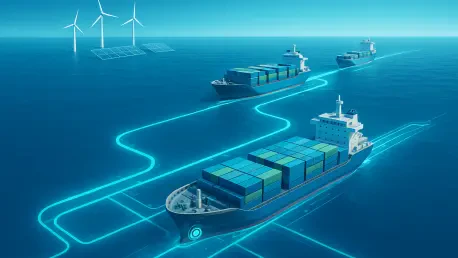
A central point of contention in the maritime climate strategy involves the establishment of a financial levy on carbon emissions to incentivize investment in cleaner technologies. This debate has intensified as the International Maritime Organization (IMO) moves forward with its Net-Zero Framework
Logistics providers moving freight through Northern Mexico face high risks as rapid hurricane intensification creates little lead time for securing inland highway corridors. The fall of 2026 has introduced a historically strong El Niño event, characterized by sea surface temperatures that have
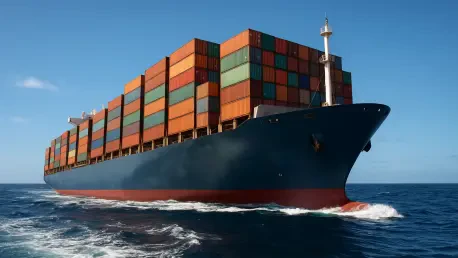
The relentless and unanticipated acceleration of ocean freight pricing across the major Trans-Pacific maritime corridors has fundamentally upended traditional logistical planning for the 2026 fiscal year. The global maritime landscape is currently witnessing a dramatic escalation in shipping rates,
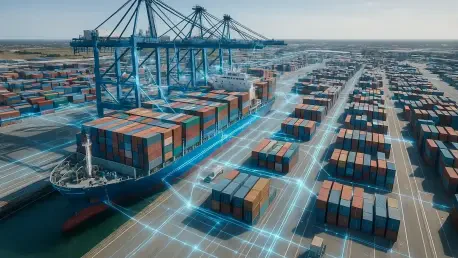
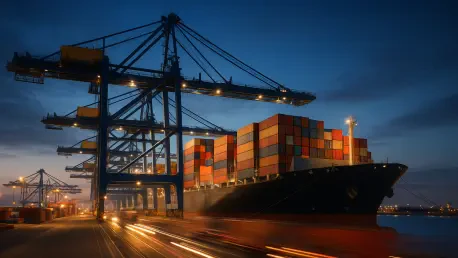
A massive container ship glides into a berth controlled by autonomous machinery, yet the trucks waiting to receive its cargo are idling in a line that stretches several miles into the city. The global shipping industry currently faces a baffling contradiction where autonomous cranes and advanced
The global maritime sector is currently experiencing a fundamental transformation as traditional navigational practices yield to a sophisticated digital framework designed to manage the rising complexities of international trade routes. This shift is characterized by a transition from reactive