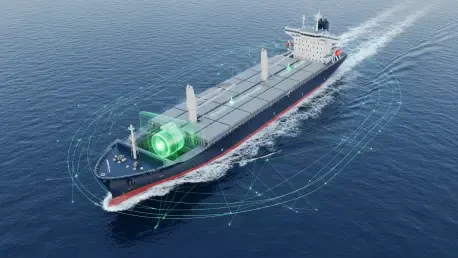

The global maritime sector stands at a critical juncture where the mandate for decarbonization has shifted from a theoretical environmental goal to a non-negotiable operational necessity for every major international carrier. Orient Overseas Container Line Ltd. (OOCL) recently initiated the deployment of the OOCL Wisdom, a massive 24,168 TEU vessel that represents the first integrated methanol dual-fuel container ship in the company’s history. This launch serves as a decisive pivot toward sustainable energy, proving that high-capacity logistics can effectively coexist with aggressive environmental targets. This analysis explores how this single vessel launch underscores a broader trend of multi-billion-dollar investments aimed at aligning global trade capacity with the urgent need for a low-carbon future.
Fleet Modernization: The Pursuit of Carbon-Neutral Shipping
The historical reliance on carbon-intensive heavy fuel oils is rapidly fading as new regulatory frameworks and corporate responsibility standards demand cleaner alternatives. OOCL’s journey toward this milestone began in late 2022 when the company placed an order for seven methanol dual-fuel sister ships, a project valued at approximately $1.68 billion. This decision was rooted in a long-term vision to modernize the fleet and align with the industry’s transition away from traditional fossil fuels. By investing in these foundational technologies, the company is building upon its history of operational excellence while preparing for a future where green standards are the industry baseline.
Strategic Innovation and Technical Mastery in Modern Shipping
Engineering Excellence: The Technical Specifications of OOCL Wisdom
Built by Nantong COSCO KHI Ship Engineering, the OOCL Wisdom is a marvel of modern naval architecture that features a comprehensive dual-fuel system. Unlike earlier transitional vessels, this ship incorporates methanol-capable systems across its main engines, auxiliary engines, and boilers. This holistic approach ensures a significant reduction in sulfur oxide and carbon emissions throughout the voyage. The successful bunkering of green methanol at Qingdao Port served as a critical proof of concept, demonstrating that the technical challenges of handling alternative fuels can be managed effectively at a massive scale.
Strategic Partnerships and Port Infrastructure Development
The deployment of this vessel on the Asia-North Europe Loop 1 service highlights the essential role of collaboration between carriers and port authorities. The partnership with the Shandong Port Group was vital for establishing the specialized bunkering infrastructure required for methanol. This synergy ensures that the logistics chain remains efficient even when utilizing new fuel types. By aligning ship capabilities with port readiness, OOCL is helping to establish a blueprint for “green corridors”—dedicated shipping routes that prioritize low-carbon operations and set a benchmark for other global trade hubs to follow.
Navigating the Complexities of a Multi-Fuel Decarbonization Strategy
One of the most notable aspects of current market strategy is the refusal to rely on a single fuel solution. OOCL is pursuing a diversified energy portfolio that includes twelve LNG dual-fuel vessels alongside its methanol-powered fleet. This multi-fuel approach acts as a strategic hedge against the volatile pricing and uncertain availability of future energy sources. By diversifying its technology, the company ensures it can adapt to changing regional regulations without becoming dependent on a single supply chain. This model suggests that flexibility is the most pragmatic way to navigate the industry’s complex energy transition.
Shaping the Future of Zero-Carbon Maritime Trade
The momentum for methanol technology is expected to accelerate following OOCL’s April 2025 order of 14 additional dual-fuel ships valued at $3.1 billion. With deliveries scheduled to start in late 2028, the industry is bracing for a significant increase in the demand for green methanol production. Regulatory pressures from international maritime authorities will likely make these investments even more economically viable compared to traditional vessels. Experts anticipate that the next few years will be defined by a rapid scaling of infrastructure as more carriers adopt this pathway to reach zero-emission targets.
Implementing Sustainable Practices in Global Supply Chains
For logistics professionals and businesses, the arrival of the OOCL Wisdom offers several actionable takeaways. It highlights the importance of choosing shipping partners who are actively investing in fleet modernization, as this directly reduces Scope 3 emissions for the entire supply chain. Furthermore, companies should stay informed about the evolving fuel landscape, as fuel choices will increasingly influence freight rates and long-term contract reliability. Best practices now involve integrating sustainability metrics into procurement decisions to ensure alignment with global environmental, social, and governance standards.
Strategic Perspectives: Charting a Course Toward a Greener Horizon
The maiden voyage of the OOCL Wisdom represented a transformative moment for the global shipping community. OOCL successfully integrated technical innovation with strategic port partnerships to build a more resilient and environmentally conscious fleet. This proactive stance provided a clear roadmap for stakeholders who sought to navigate the complexities of decarbonization. Ultimately, the lessons learned from this deployment offered a foundation for future investments in alternative energy, ensuring that the global shipping network moved closer to a sustainable, carbon-neutral reality.