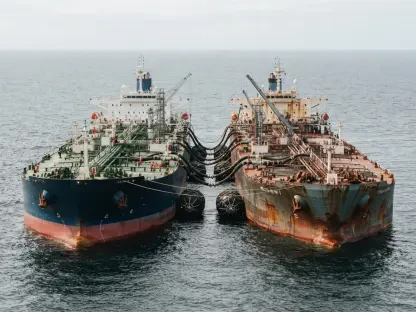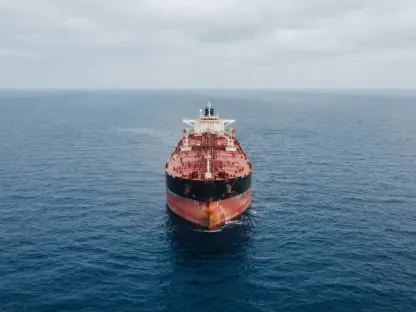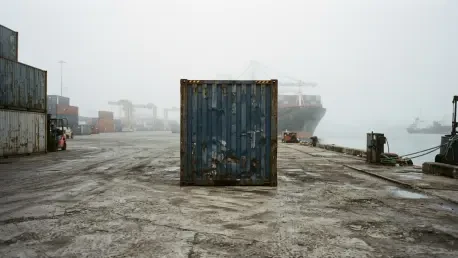
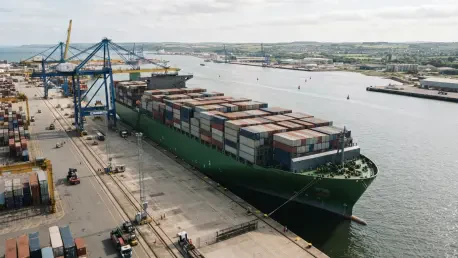
China is challenging the historical dominance of Western institutions by building an integrated ecosystem designed to protect its own high-tech vessels and critical energy cargoes. This fundamental shift is orchestrated through the "Guiding Opinions on Accelerating the High-Quality Development of
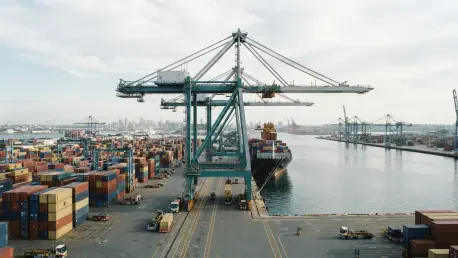
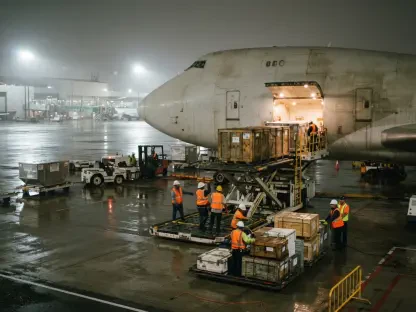
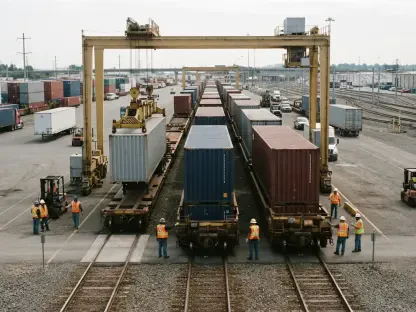
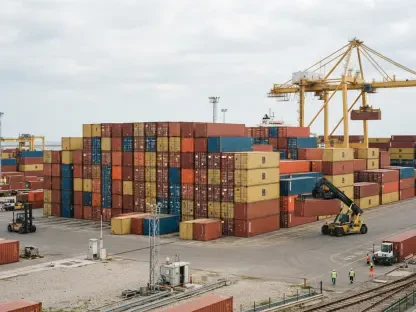
The global shipping landscape is currently undergoing a massive structural reorganization as port facilities shift from human-centric operations to high-precision robotic networks. Modern maritime hubs no longer operate as isolated clusters of heavy machinery but have evolved into sophisticated,

Marine insurers are systematically reshaping their risk appetite and premium structures in response to the escalating kinetic threats in the Persian Gulf. This volatile environment is no longer characterized by minor diplomatic skirmishes but by direct military actions that have fundamentally
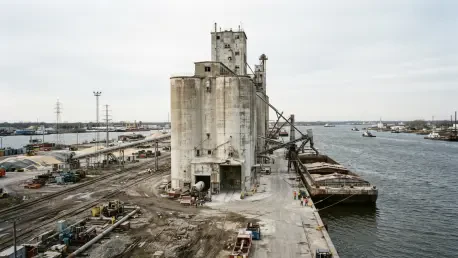
Recent data from Kpler reveals a staggering 63 percent year-on-year decline in Russian and Ukrainian grain and oilseed exports from Black Sea ports during the third quarter. This massive contraction highlights a profound structural transformation within the global grain trade, as traditional
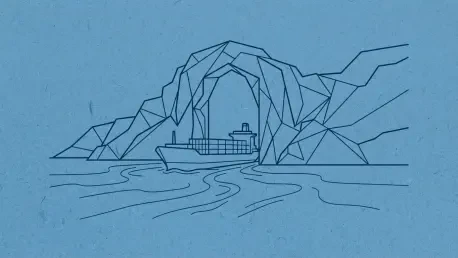
The global economy remains fundamentally maritime as over eighty percent of all merchandise trade relies on a silent network of shipping lanes that function as an efficient engine for growth. This vast oceanic infrastructure ensures the steady flow of energy, raw materials, and consumer goods,
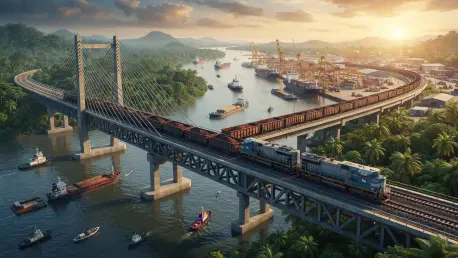
The 37 km journey from riverine jetties to deep-water transshipment points represents the most vulnerable link in the Guinea-to-China supply route. In a global market where mineral abundance is often overshadowed by the practicalities of transport, Guinea’s position as the premier bauxite supplier