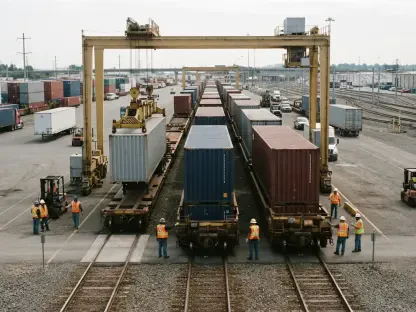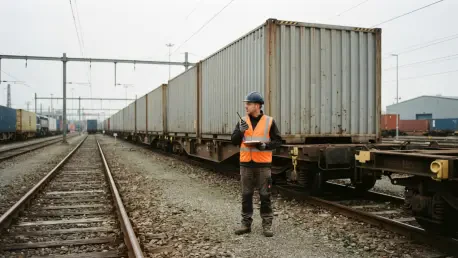

Central Railway and CONCOR are prioritizing a schedule that aligns perfectly with maritime deadlines to improve the reliability of Nashik’s growing export community. As the volume of outgoing cargo from Northern Maharashtra continues to grow, the existing road-dependent logistics model faces increasing pressure from congestion and unpredictable transit times. To address these bottlenecks, the Container Corporation of India Limited (CONCOR) is evaluating a dedicated rail freight corridor specifically designed to bridge the gap between Nashik’s manufacturing hubs and the maritime gateways of the Jawaharlal Nehru Port Authority. This initiative represents a strategic pivot toward a more structured transportation framework that promises to reduce the carbon footprint of local exports while enhancing the competitiveness of Indian goods in the global market. By leveraging the existing track capacity of the Bhusawal division, authorities aim to create a seamless link that guarantees arrival before vessel cut-offs.
Optimizing Regional Freight and Infrastructure
Enhancing Multi-Modal Connectivity at HALCON
The cornerstone of this proposed logistics overhaul is the HALCON cargo complex located at Janori, a specialized facility operating as a joint venture between Hindustan Aeronautics Limited and CONCOR. This hub already serves as a critical junction for the region’s high-value agricultural exports, featuring advanced cold-storage solutions and sophisticated processing infrastructure essential for maintaining the integrity of perishable goods. During the current 2026 fiscal cycle, the facility has demonstrated its capacity by managing nearly 40,000 tons of sea-bound agricultural produce, primarily onions and grapes destined for international markets. By integrating this site more deeply into the national rail grid, CONCOR intends to facilitate a direct transition from temperature-controlled storage to railcars. This move effectively bypasses the vulnerabilities of highway transport, such as seasonal monsoon disruptions and vehicle breakdowns, which have historically threatened shelf life.
Supporting Industrial and Agricultural Output
Beyond the seasonal demands of the agricultural sector, the proposed rail link targets the year-round industrial output originating from the manufacturing clusters of Satpur, Ambad, Sinnar, and Igatpuri. These hubs are home to diverse enterprises producing automotive components, heavy engineering machinery, and electrical pumps, all of which require a predictable and steady export pipeline. CONCOR is currently analyzing three distinct operating models to serve these varied needs: consistent unit trains for high-volume industrial cargo, dedicated general-purpose container services, and seasonal “harvest specials” timed to coincide with peak agricultural cycles. This multi-tiered approach ensures that the rail service remains economically viable throughout the calendar year, even when agricultural exports fluctuate. By aggregating miscellaneous industrial goods into full train loads, the Bhusawal division can offer more frequent departures, providing smaller enterprises with the kind of scale usually reserved for large corporations.
Strategic Alliances and Operational Feasibility
Streamlining Logistics Through Industry Collaboration
A consensus regarding the necessity of this logistical shift emerged during a recent extensive dialogue involving over 200 key stakeholders, including prominent players such as Mahindra Logistics and Adani Cement. These discussions underscored a critical reality: while the physical infrastructure and necessary cargo volumes are already in place, the widespread adoption of rail over road hinges on several key variables. Exporters emphasized that for the transition to be successful, the new rail service must provide competitive freight tariffs that rival the flexibility of trucking companies. Furthermore, the assurance of consistent railcar availability and strict adherence to maritime schedules are non-negotiable for businesses operating on razor-thin margins. The dialogue served as a platform for identifying specific pain points, such as the need for simplified documentation and first-mile connectivity from remote factories to the Janori terminal. These insights are now being integrated into the final feasibility study for the program.
Validating Progress Through Pilot Programs
The implementation of a pilot program stood as the definitive next step to validate the operational assumptions of the Nashik-Mumbai rail link. This trial phase allowed officials to monitor real-time transit efficiencies and determine the optimal aggregation strategies for diverse cargo types. Stakeholders recommended that future efforts focus on digitizing the tracking interface, allowing exporters to monitor their containers with the same precision found in modern e-commerce logistics. It was also determined that establishing a fixed-day schedule provided the necessary predictability for international buyers to plan their procurement cycles with greater confidence. As the logistics landscape in Maharashtra evolved, the collaboration between rail authorities and industrial leaders paved the way for a more resilient supply chain. Ultimately, the successful integration of Nashik’s industrial prowess with Mumbai’s maritime reach established a new benchmark for regional trade facilitation by providing a truly viable path.