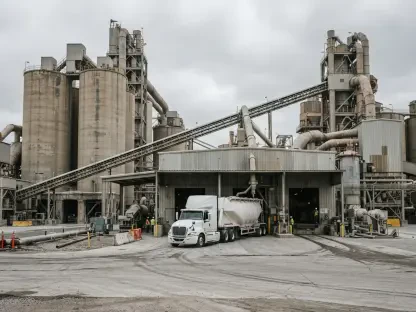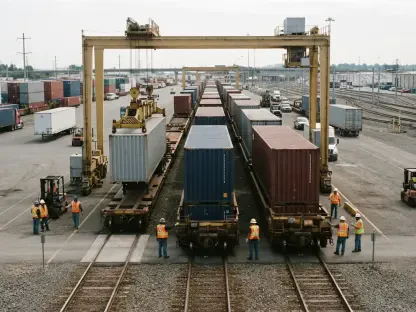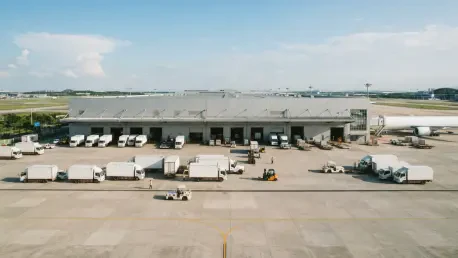

The evolution of FedEx in Guangzhou from a 2005 agreement to the 2026 opening of Terminal 4 reflects a deep-rooted commitment to the Chinese manufacturing market. On November 16, 2026, Federal Express Corporation officially inaugurated the FedEx Guangzhou Baiyun Airport International Cargo Terminal 4, representing a pivotal advancement in global express transportation. This massive facility serves as a sophisticated bridge between the high-output industrial zones of South China and the burgeoning consumer markets across the globe. By combining advanced automated infrastructure with significant handling capacity, the terminal is poised to redefine how the Guangdong-Hong Kong-Macao Greater Bay Area interacts with the international trade community. This investment is not merely about physical space but about enhancing the velocity of supply chains in sectors that demand precision, such as healthcare and high-tech manufacturing. The facility functions as a critical artery, ensuring that the immense production capacity of the region can meet immediate global demand without the traditional friction of outdated logistics hubs.
Strategic Regional Impact
Strengthening the Global Aviation Hub
The development of Terminal 4 stands as the centerpiece of a strategic collaboration between FedEx and the Guangdong Airport Authority, designed to elevate Guangzhou’s status to a premier global aviation node. This facility does not function in a vacuum; instead, it works in careful coordination with the existing FedEx Asia Pacific Hub, creating a layered logistics ecosystem that maximizes efficiency. By integrating these two powerful assets, the company has established a comprehensive gateway that can manage both regional distribution and intercontinental trade flows with equal precision. This synergy marks a significant shift in regional operations, transitioning from simple transport services to a deeply integrated infrastructure model that supports the city’s ambition to become a world-class logistics center. As the cargo hub expands, it provides the essential hardware required for Guangzhou to compete with other major global trade centers, effectively consolidating the city’s position as a vital intersection for international commerce and supply chain management.
Beyond just physical infrastructure, this partnership represents a shared vision for the future of trade in the Asia-Pacific region. The integration of Terminal 4 into the existing airport network allows for seamless transitions between domestic production cycles and international shipping schedules. This alignment is crucial for maintaining the competitive edge of regional manufacturers who rely on just-in-time delivery models. By streamlining the movement of goods from factory floors to the aircraft, the terminal reduces transit times and minimizes the risks associated with multi-modal transport delays. Moreover, the facility acts as a catalyst for further infrastructure investments in the surrounding area, encouraging a cluster of logistics-related businesses to settle near the airport. This cluster effect strengthens the overall resilience of the local economy, making it more attractive to international investors who prioritize efficient shipping corridors. The result is a robust aviation hub that not only serves the immediate needs of FedEx but also bolsters the regional logistics landscape.
Boosting the Greater Bay Area Economy
The timing of the terminal’s launch aligns perfectly with the unprecedented economic growth observed within the Greater Bay Area, which recently surpassed an economic output of RMB 15 trillion. This region has become a powerhouse of global trade, representing more than 20% of China’s total foreign commerce, a statistic that underscores the critical need for high-capacity logistics solutions. During the first three quarters of 2026, trade volumes in the nine mainland cities of the GBA saw a remarkable year-on-year increase of nearly 25%, highlighting the region’s resilience in the face of shifting global markets. Terminal 4 provides the necessary structural support to sustain this momentum, offering local businesses a reliable pathway to reach international buyers. As the GBA continues to evolve into a global innovation and manufacturing center, the demand for specialized logistics that can handle high-value cargo has increased exponentially. FedEx’s investment directly addresses this need, ensuring that the economic engine of South China remains well-connected and efficient.
One of the most significant impacts of the new terminal is its role in empowering small and medium-sized enterprises to venture into the international marketplace. Traditionally, navigating the complexities of cross-border trade has been a barrier for smaller firms with limited resources. However, the streamlined processes and expanded capacity of Terminal 4 provide these businesses with the same logistics advantages previously reserved for large multinational corporations. By reducing the overall cost of international shipping and providing more predictable transit times, the facility allows local innovators to scale their operations globally with greater confidence. This democratization of global trade tools is essential for the long-term health of the GBA economy, as it fosters a diverse ecosystem of exporters across various sectors. Furthermore, the terminal’s proximity to major manufacturing hubs means that local firms can respond quickly to market trends, shipping new products to overseas consumers in record time. This capability is particularly vital in the fast-paced world of e-commerce.
Integrating Intelligent Logistics Solutions
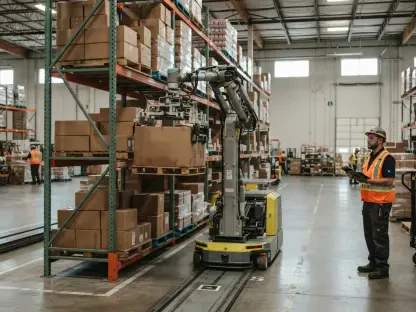
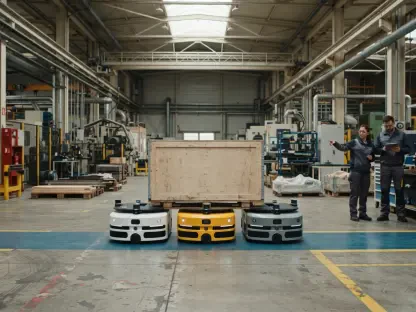
The integration of “Intelligent Logistics” is a defining characteristic of Terminal 4, where every aspect of the shipping process is enhanced by cutting-edge technology. FedEx has deployed a suite of advanced tools, including Artificial Intelligence and Radio Frequency Identification, to maintain an operational accuracy rate of over 99%. These technologies allow for real-time tracking and monitoring of every shipment, providing both the company and its customers with unprecedented visibility into the logistics chain. AI algorithms are used to optimize sorting routes and predict potential delays before they occur, allowing the operations team to make data-driven decisions that keep the system moving smoothly. This focus on precision reduces the likelihood of lost or misrouted packages, ensuring that even the most complex international shipments reach their final destination on time. By embracing these digital solutions, the terminal has moved beyond traditional manual labor models toward a more sophisticated, tech-centric approach that defines the modern industry.
The successful launch of Terminal 4 was a direct reflection of a long-term investment strategy that prioritized the growth of the South China manufacturing sector. For years, this region served as a global production hub, and the new facility provided the necessary infrastructure to maintain that status in an increasingly competitive world. Businesses across the province of Guangdong utilized the expanded network to gain faster access to more than 220 countries and territories, effectively shrinking the distance between local factories and international consumers. The improved cargo turnover efficiency and reduced logistics costs associated with the terminal allowed regional companies to reinvest their savings into research and development, further driving innovation within the GBA. By serving as a world-class composite international aviation hub, the terminal reinforced Guangzhou’s position as an indispensable link in the global supply chain. For logistics managers, the facility offered a template for modernizing operations through the adoption of smart technology and sustainable practices.