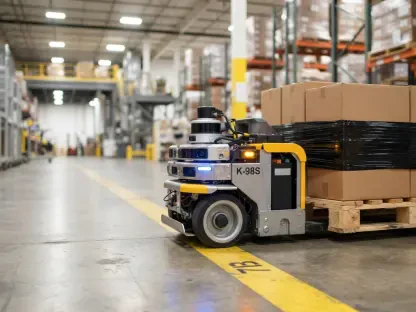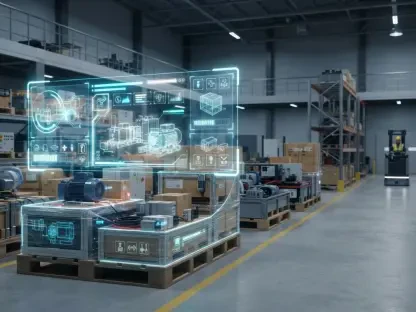
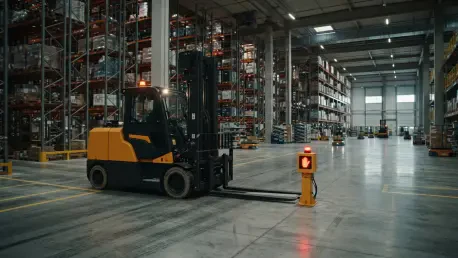
The transition of artificial intelligence from the static confines of digital servers into the dynamic, unpredictable realm of heavy machinery has fundamentally altered the industrial landscape. As smart machines step out of the laboratory and onto the factory floor, the focus is shifting from
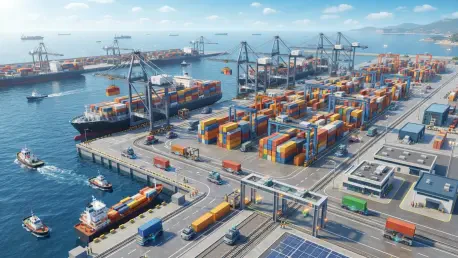
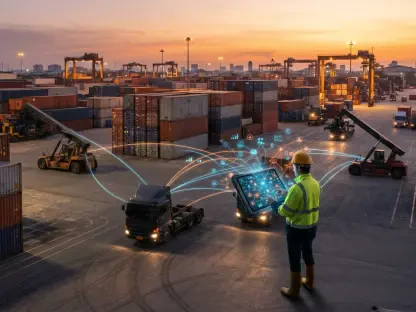
The persistent rhythm of global trade relies on the seamless movement of goods through coastal gateways, yet the United Kingdom currently stands at a critical juncture where manual operations must reconcile with the relentless speed of digital innovation to remain relevant on the world stage.
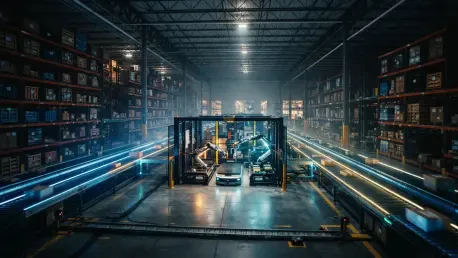
To maintain continuous multi-shift productivity, the new logistics infrastructure at Hebe incorporates both manual and automatic battery-swapping stations for its shuttle fleet. This modernization initiative, spearheaded by the German automation specialist advasolutions, represents a critical shift

The transition from convenience-based deliveries to survival logistics is driving the development of second-generation robots with significantly increased payload capacities for bulk essential goods. South Korea is currently spearheading a transformative shift in its logistical infrastructure

Converting fragmented emails, PDFs, and phone notes into structured digital formats enables sophisticated benchmarking and intelligent matching for air cargo shipments. This evolution represents a departure from the historical reliance on manual Request for Quotation processes that often resulted
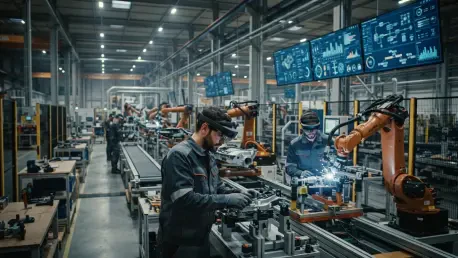
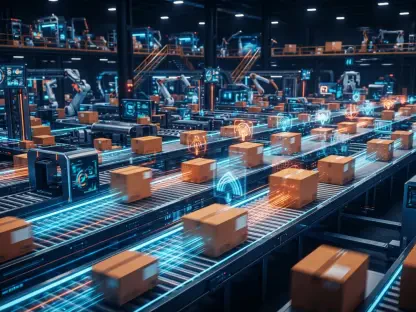
The persistent reliance on manual line-of-sight technologies and human entry continues to introduce data latency and inaccuracies that compromise factory floor visibility. As the industrial landscape moves deeper into the digital age, the concept of connected manufacturing has transitioned from a