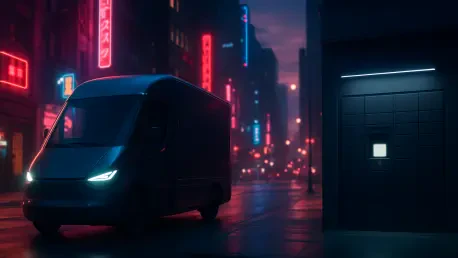
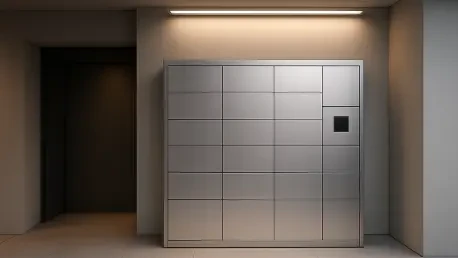
A significant portion of the workforce under thirty is regularly absent from home due to educational, social, and professional responsibilities. This demographic, often referred to as the "Always Out Generation," operates on a schedule that is fundamentally at odds with the traditional 9-to-5
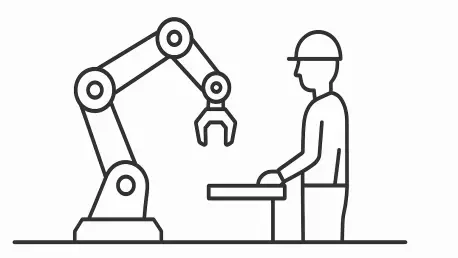
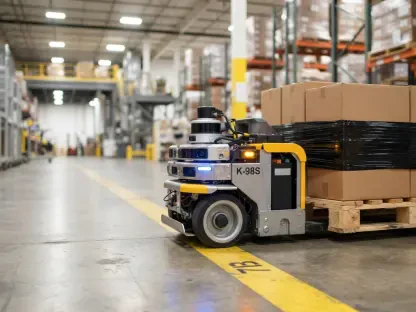
Industrial automation once required a clear line in the sand, a physical or infrared barrier that separated the machine's path from the human's reach. This binary environment dictated that safety meant total cessation, where any entry into the "forbidden zone" triggered an emergency stop that
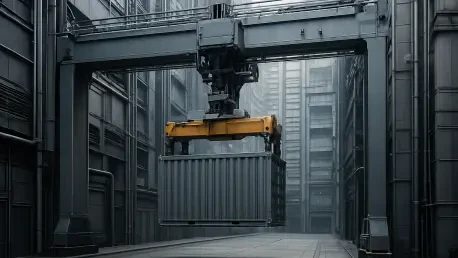
The rapid densification of urban centers has pushed industrial engineers to rethink the traditional horizontal factory floor, transforming it into a vertical race toward the clouds where efficiency is measured by altitude. As industrial real estate prices soar and available land vanishes, the

The silent glide of a hundred-thousand-ton vessel slicing through the Pacific without a single puff of diesel smoke is no longer a localized naval secret but the emerging blueprint for a decarbonized global trade network. This transformation represents a significant advancement in the maritime
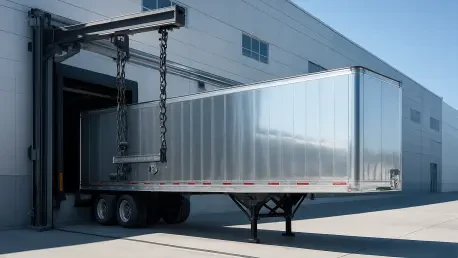
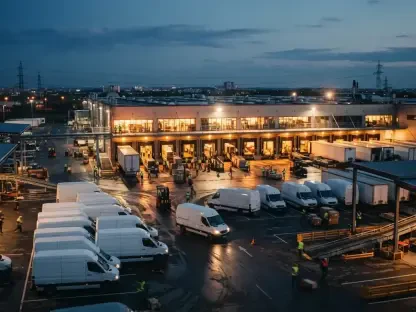
For most logistics managers operating in today's high-velocity distribution environments, the transition from a highly digitized warehouse floor to the manual chaos of the loading dock feels like stepping back decades in technological advancement. The current state of logistics is a study in
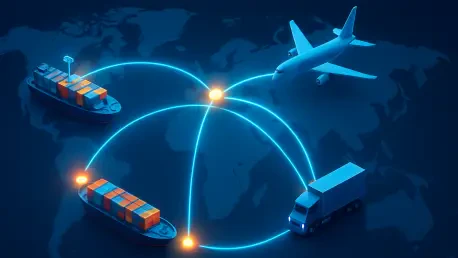
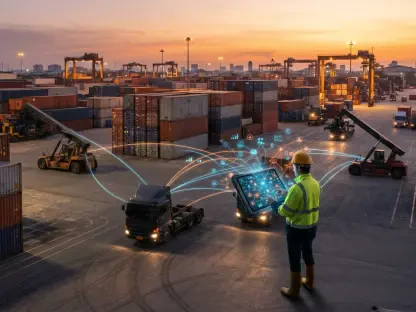
The value of analytical insight is entirely dependent on whether an organization has the procedural flexibility to act on new information in real time. In the current landscape of 2026, the logistics sector has become a primary engine of the global digital economy, churning out massive quantities