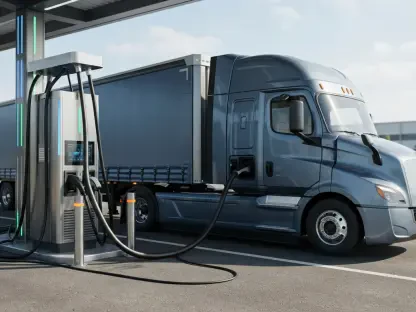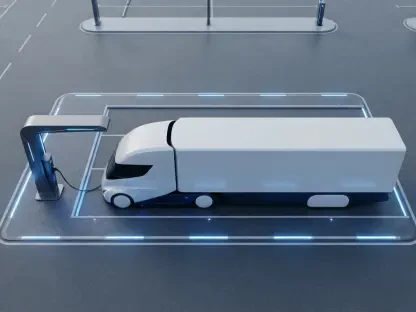

The global logistics sector is currently witnessing a tectonic shift where the mere conversion of internal combustion engines to electric powertrains no longer suffices to meet the aggressive carbon neutrality targets of the late 2020s. For years, the industry relied on "retrofit" models,

Rohit Laila is a seasoned authority in the logistics and supply chain sector, possessing decades of experience that bridge the gap between traditional delivery networks and cutting-edge innovation. His career has been defined by a commitment to transforming how goods move through global markets,
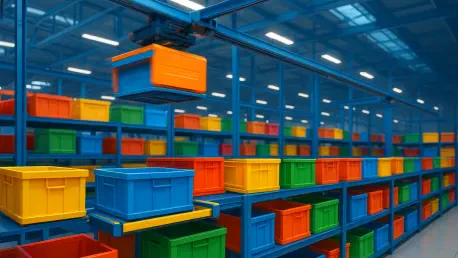
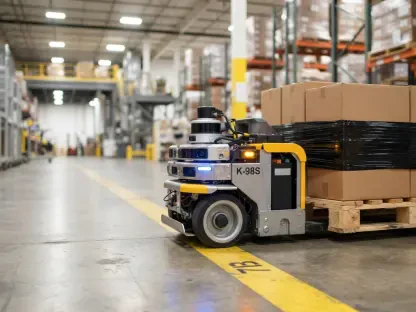
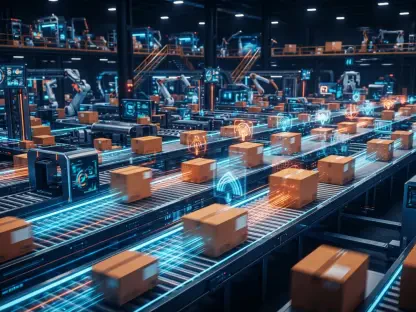
The silent hum of a thousand robotic wheels orchestrating the movement of millions of packages daily has become the heartbeat of global commerce, signaling the end of the traditional, chaotic warehouse. In the landscape of 2026, intralogistics has fully transitioned from a back-end necessity into a
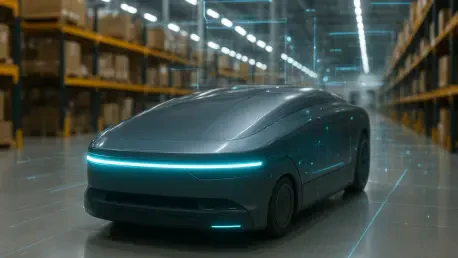
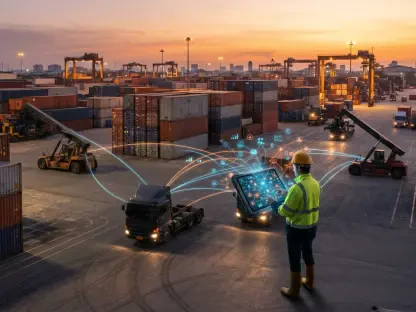
The global logistics ecosystem is currently undergoing a tectonic shift that replaces traditional mechanical brute force with a sophisticated neural network of data-driven intelligence. This transformation is not merely a technical upgrade but a fundamental reimagining of how goods move across the

Micro hubs are only commercially viable when downstream savings in driver time and fuel mileage exceed the high rental costs and labor requirements of city-center facilities. This fundamental economic reality is currently reshaping the landscape of urban delivery as logistics operators pivot from

Kalitta Air maintains a competitive edge through its immense flexibility in transporting diverse payloads ranging from live animals to hazardous industrial materials. This specific capability highlights a broader trend within the 2026 United States air freight industry, where specialized expertise