
For most logistics managers operating in today’s high-velocity distribution environments, the transition from a highly digitized warehouse floor to the manual chaos of the loading dock feels like stepping back decades in technological advancement. The current state of logistics is a study in technological contrasts where the precision of automated picking systems often grinds to a halt at the edge of the trailer. While warehouse interiors have embraced a digital-first approach, the loading bay traditionally stood as a manual fortress, relying on human-operated forklifts and physical paperwork that slowed down the entire movement of freight. As global trade volumes hit new highs in 2026, market players began to recognize that any manual gap in the supply chain represented a costly vulnerability.
Modern logistics infrastructure now demands that every square foot of a facility contribute to throughput rather than acting as a holding area. However, the manual loading dock remains a primary source of friction because it lacks the granular visibility found in automated sorting systems. This blind spot creates a disconnect between production and transportation, leading to inefficiencies that ripple through the entire fulfillment network. Consequently, organizations are increasingly viewing automated loading systems as essential infrastructure rather than optional upgrades. The transformation of these facilities from passive storage hubs to high-velocity distribution centers necessitates a move away from human-centric operations toward a more synchronized, machine-led environment.
The Evolution of the Modern Loading Bay and Logistics Infrastructure
The logistics industry is currently navigating a period of unprecedented pressure as consumer demand for speed intersects with a tightening labor market. Historically, the loading bay was the end of the line, a place where goods were handed off to third-party carriers with little digital oversight. Today, that model is obsolete. Facilities are being redesigned to eliminate any pause in the flow of goods, turning the loading dock into a dynamic gateway. Technologies like AI and the Internet of Things have successfully mapped out the warehouse interior, yet the moment a pallet reaches the dock door, it often enters a data vacuum.
This historical manual bottleneck is no longer sustainable in an era of real-time tracking. Modern facilities are shifting toward integrated systems that bridge the gap between the warehouse management system and the trailer itself. By automating this final step, firms can ensure that the velocity achieved inside the warehouse is maintained during the dispatch phase. This evolution is not merely about speed; it is about creating a continuous, unbroken chain of custody that provides stakeholders with certainty at every junction of the transport journey.
Modern Trends and the Data-Driven Future of Freight Handling
Emerging Technologies and the Shift Toward Sub-Five-Minute Loading
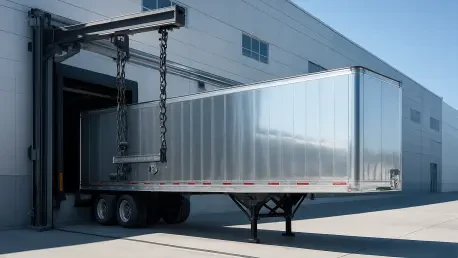
The industry is rapidly moving away from the traditional 45-minute manual loading cycle toward specialized automated systems. Technologies such as slipchains, moving floors, and trailerskate systems are becoming the new gold standard for high-volume operations. Unlike standard automated guided vehicles, which can struggle with the debris, grease, and uneven surfaces typically found in a loading bay, these dedicated systems allow for the simultaneous loading of an entire trailer. This shift allows for the loading event to be treated as a precise digital transaction that updates the entire supply chain network instantly, rather than being an invisible gap in the data stream.
Market Projections and the Surge in Automation Adoption
Growth projections suggest a significant uptick in the adoption of automated loading solutions from 2026 to 2028. As labor costs rise and the shortage of skilled forklift operators becomes more acute, the return on investment for automation has become increasingly attractive to mid-sized and large-scale enterprises. Performance indicators are now shifting focus toward the reduction of detention time and the maximization of throughput per square foot. Forecasts predict that integrated loading docks will become the standard for both new greenfield developments and the extensive retrofitting of existing brownfield sites as companies strive for maximum efficiency.
Overcoming Operational Friction and Technical Hurdles
Transitioning to an automated loading environment requires navigating a range of physical and systemic complexities. Loading docks are notoriously harsh environments, characterized by temperature fluctuations and varying trailer qualities that can hinder sensitive robotic equipment. To overcome these challenges, companies are adopting ruggedized automation and flexible docking interfaces that can accommodate various trailer types without requiring a complete fleet overhaul. Success in this area often depends on a phased integration approach, ensuring that the new hardware is backed by a robust data architecture that prevents the creation of new digital silos.
Moreover, the integration of disparate software systems remains a primary hurdle for many organizations. The hardware must speak the same language as the warehouse management software to ensure that the speed of loading does not outpace the ability of the system to record it. By focusing on interoperability, firms can create a seamless flow of information that matches the physical movement of goods. This approach reduces the friction typically associated with technological transitions and allows for a more reliable rollout across multiple facility locations.
Navigating the Regulatory Landscape and Safety Standards
Safety remains the primary regulatory driver in the loading bay, as forklift-related incidents continue to be a leading cause of warehouse injuries globally. Regulatory bodies are increasingly mandating stricter separation between human workers and heavy machinery, pushing facilities toward automated solutions that inherently reduce physical risk. Compliance now extends beyond physical safety to data security and the standardization of communication protocols between shippers and third-party logistics providers. Adhering to these evolving international standards is critical for companies looking to maintain seamless cross-border operations and avoid costly legal or operational delays.
Furthermore, the rise of automation has necessitated a new framework for worker training and facility management. While the physical risk to employees decreases as they move away from the dock face, the need for technical oversight increases. Regulatory frameworks are beginning to reflect this shift, emphasizing the importance of system maintenance and cybersecurity in the logistics chain. Organizations that stay ahead of these regulatory trends find themselves with a significant competitive advantage, as they can operate with lower insurance premiums and fewer safety-related disruptions to their daily schedules.
The Future Frontier: AI Integration and Predictive Logistics
The next phase of loading bay evolution lies in the application of Artificial Intelligence to the massive amounts of data captured during automated loading cycles. Future systems will move beyond simple execution to predictive management, where AI identifies patterns in carrier performance and anticipates potential delays based on environmental factors or specific trailer configurations. As global economic conditions remain volatile, the ability to rapidly pivot operations based on real-time loading data will become a primary competitive advantage. This level of insight allows firms to handle promotional surges and supply chain disruptions with unprecedented agility and precision.
Artificial Intelligence also offers the potential for self-optimizing docks that can adjust their loading speeds and sequences based on the incoming traffic flow and outbound priorities. By analyzing historical data, these systems can predict the most efficient way to stage goods for upcoming departures, further reducing the time a trailer spends idle at the dock. This predictive capability transforms the loading bay from a reactive department into a proactive driver of supply chain health, ensuring that logistics networks remain resilient even when faced with unexpected external pressures.
Harnessing Automation for a Transparent and Resilient Supply Chain
The decision to eliminate the loading bay blind spot served as the final catalyst for achieving a fully transparent supply chain environment. By replacing manual, error-prone processes with high-speed automated systems, organizations successfully reclaimed lost time and enhanced the safety profiles of their entire workforces. This shift from a 45-minute manual process to a five-minute automated transaction represented a deeper strategic transformation that turned traditional bottlenecks into primary drivers of resilience. Moving forward, the industry prioritized the integration of cross-border data standards to ensure that automated facilities could communicate seamlessly across international lines. Companies that embraced this automation early were better positioned to navigate the complexities of global trade, proving that the loading bay was no longer just a physical dock but a vital digital asset. Organizations eventually recognized that the cost of inaction far outweighed the investment in automation, leading to a decade of rapid infrastructure modernization. This progress ultimately redefined the role of the logistics professional, moving from manual labor supervision to the management of sophisticated, data-driven systems. By 2026, the loading bay had evolved into a cornerstone of the modern economy, facilitating the rapid movement of goods across a more connected and stable global marketplace.