
A single pallet of sun-ripened strawberries crossing the Atlantic serves as a high-stakes race against time where every hour of delay erodes value and threatens the integrity of the entire global food network. The fresh produce industry operates within a logistical environment that is arguably the most demanding in modern commerce, as fruits and vegetables are governed by a biological clock that ignores market fluctuations and geopolitical boundaries. As the sector gathers in Madrid for the “Fruit Attraction 2026” event, the focus has shifted from simple efficiency to a comprehensive model of systemic resilience. This transition is motivated by a realization that the traditional, siloed approach to shipping is no longer sufficient to protect products from the farm gate to the end consumer.
The current landscape is defined by a move toward a proactive architecture that emphasizes radical collaboration among all stakeholders. To safeguard these perishable goods, industry leaders are identifying and addressing a convergence of challenges, ranging from environmental instability to sophisticated digital threats. The primary objective is to move beyond a reactive posture, where companies simply respond to crises as they happen, and instead build a framework that anticipates disruption. This involves a fundamental redesign of how the industry perceives risk, focusing on transparency and the shared responsibility of maintaining a stable food supply in an increasingly unpredictable world.
The Shift Toward Agile and Diversified Logistics
Metrics of Vulnerability and the Growth of Sourcing Diversification
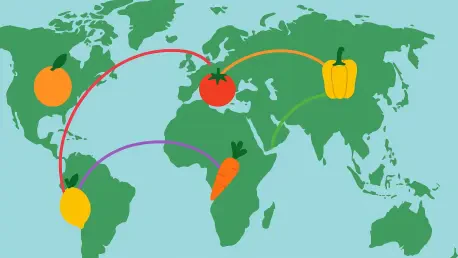
Recent data provided by the Global Coalition of Fresh Produce highlights a significant transformation in how the industry manages its geographical footprint. There is a measurable transition away from relying on centralized production hubs, which were once favored for their economies of scale but are now seen as single points of failure. Reports suggest that sourcing diversification is accelerating, with a notable portion of global trade moving toward a multi-regional model to ensure that a localized climate event or logistical bottleneck does not paralyze the entire supply chain. This strategy is essential for meeting the 24/7 demand for year-round availability that modern consumers now expect regardless of the season.
The push for diversification is not merely a logistical preference but a survival strategy in response to increasing environmental shifts and logistics volatility. As traditional growing zones face changing patterns, the industry is seeing a trend where production is spread across different latitudes and hemispheres. From 2026 to 2028, the industry anticipates a continued expansion into alternative production regions that can fill seasonal gaps. This broader network of suppliers creates a safety net, ensuring that when one region faces a harvest shortfall, others can compensate, thereby stabilizing market prices and preventing shortages at the retail level.
However, the expansion of sourcing origins introduces its own set of complexities that require sophisticated management. Diversifying a supply chain means handling a greater variety of regulatory environments, varying standards of infrastructure, and longer transport routes. Consequently, the industry is witnessing a growth in the use of data-driven metrics to evaluate the vulnerability of new sourcing routes before they are fully integrated into the network. By analyzing historical performance and potential risks in real-time, businesses can make informed decisions about where to invest their capital and how to balance their sourcing portfolios to maximize both stability and quality.
Real-World Applications of Flexible Infrastructure
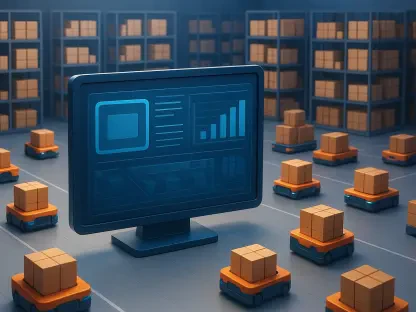
The practical implementation of these strategies is most visible in the significant investments currently being made in physical and digital infrastructure. Leading companies are prioritizing the modernization of port facilities to handle highly perishable shipments with greater speed and precision. This includes the deployment of automated cold-storage facilities that reduce the time goods spend in transit and minimize human error in temperature management. Furthermore, the adoption of responsive routing technology allows logistics managers to divert shipments in real-time if a primary route is compromised, effectively turning a potential loss into a manageable delay.
Organizations like the Canadian Produce Marketing Association are at the forefront of the “Resilient Supply Chain” initiative, which promotes seasonal agility as a core business competency. This approach encourages companies to develop flexible contracts and logistical arrangements that can be scaled up or down based on the immediate needs of the harvest. By pioneering these agile frameworks, the association helps members navigate the peak harvest times and weather-related disruptions that are becoming more frequent. These real-world applications demonstrate that resilience is not just a theoretical concept but a tangible set of tools that protect the financial solvency of the entire produce sector.
Moreover, the focus on infrastructure extends to the “last mile” of the delivery process, where the risk of spoilage is often the highest. Investments in micro-fulfillment centers and specialized delivery vehicles are ensuring that the integrity of the product is maintained until it reaches the consumer’s hands. As the industry moves forward from 2026 to 2030, the integration of these flexible systems is expected to become the standard. The ability to pivot quickly in response to changing conditions is proving to be the most effective defense against the inherent perishability risks of the fresh produce trade, fostering a more reliable and sustainable global marketplace.
Hardening the “Three Doors” of Supply Chain Security
The digital evolution of the produce industry has brought about a new set of vulnerabilities that industry experts like Drew Zabrocki and Mike Laws describe through the “Three Doors In” framework for cybersecurity. This model identifies the critical gaps in software dependencies, identity verification, and document integrity that criminals exploit to disrupt trade. As the industry relies more heavily on shared platforms, the shift from a “trust-based” model to one of “independent verification” has become a priority. The old way of doing business on a handshake and an email is being replaced by rigorous protocols designed to confirm the identity of every participant in a transaction, ensuring that cargo reaches its intended destination.
Cargo theft and impersonation represent the most immediate threats to the security of the “Three Doors.” Sophisticated actors are increasingly capable of hijacking the identities of legitimate transport operators to divert high-value shipments of fruits and vegetables. Parallel to this, document and payment fraud have become more prevalent, with falsified certificates of origin and altered payment instructions causing significant financial losses. To combat these issues, the industry is moving toward a system where every piece of data is independently verified against a secure record. This hardening of the supply chain’s digital entry points is essential for maintaining the trust that international commerce requires to function efficiently.
To address these vulnerabilities at scale, the significance of open-source standards is gaining recognition through initiatives like the COSSAF project. By protecting shared software dependencies, these initiatives prevent a single point of failure from compromising an entire network of logistics providers and growers. This collective approach to cybersecurity ensures that even smaller players in the market have access to the same level of protection as large corporations. The transition toward a “Trust Layer” technology is creating a more secure environment where data integrity is the baseline, allowing the industry to focus on its primary goal of delivering fresh produce to a global population without the constant threat of digital interference.
Future Projections: Radical Collaboration and Digital Trust
The long-term impact of the “Charter of Good Shipping Practices” is expected to serve as the definitive blueprint for global industry standards. This framework is not merely a list of rules but a foundational document that encourages a culture of mutual accountability and transparency. By aligning on ethical and operational conduct, stakeholders are creating a more predictable environment for international trade. The Charter emphasizes that communication and fairness are the cornerstones of a resilient network, suggesting that the industry’s success depends on its ability to share information and risks equitably during times of crisis.
Looking ahead, the development of “Trust Layer” technology will likely redefine how ethical frameworks are applied to international commerce. These digital systems will provide a transparent record of a product’s journey, verifying everything from environmental conditions to fair labor practices. This level of transparency will empower consumers and businesses alike to make decisions based on verified data rather than marketing claims. As these technologies become more integrated, the industry will evolve to a state where the “Trust Layer” acts as an invisible but essential part of every transaction, bridging the gap between competitive interests and the collective need for a secure supply chain.
The broader implications of this radical collaboration suggest a future where the industry balances its internal competition with a shared commitment to risk preparedness. Companies are beginning to realize that they are part of an interconnected ecosystem where the failure of one can have a ripple effect on all. Consequently, the trend is moving toward shared ethical frameworks that prioritize the physical handling and quality of perishable goods above all else. This cultural transformation will ensure that the global fresh produce supply chain is not only efficient but also robust enough to withstand the challenges of the coming years, maintaining its vital role in the global food system.
Summary of Strategic Frameworks for Resilience
The industry identified that sourcing diversification and the modernization of infrastructure were the primary defenses against physical disruptions in the logistics network. Stakeholders recognized that the transition from 2026 to 2028 required a concerted effort to expand production into new geographical zones while simultaneously investing in port automation. They determined that the “Resilient Supply Chain” initiative provided the necessary framework for this evolution, emphasizing that flexibility and seasonal agility were the most effective ways to mitigate the inherent risks of perishability and environmental volatility.
Experts established that hardening the digital entry points of the supply chain was a non-negotiable step toward total security. They found that the “Three Doors In” framework effectively highlighted the vulnerabilities in software and identity that had previously been overlooked. By moving toward a model of independent verification and adopting the COSSAF initiative’s standards, the industry successfully began the process of eliminating document fraud and cargo theft. This shift away from a blind trust model toward a technology-driven trust layer ensured that the integrity of both the data and the physical goods remained uncompromised.
Finally, the five pillars of the Charter of Good Shipping Practices were adopted as the collective property of the global produce community. The industry concluded that true resilience required a unified digital and cultural transformation where transparency and ethical conduct were prioritized. They acknowledged that by aligning with these principles, they could create a more sustainable and predictable environment for international trade. The focus moved from individual gain to the collective health of the supply chain, ensuring that the necessary protocols were in place to protect the global food supply from both current and future uncertainties.