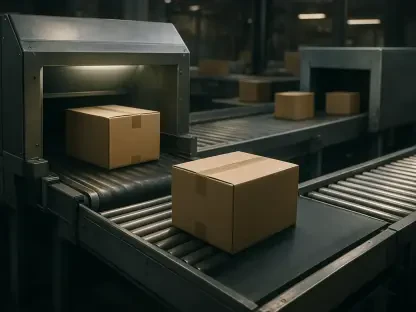
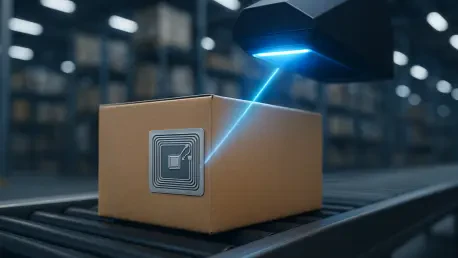
The invisible thread that binds a physical product to its digital twin is often the weakest link in a global supply chain, yet modern smart labeling is finally closing the perilous gap between the packaging line and the final warehouse destination. This transition represents more than a simple
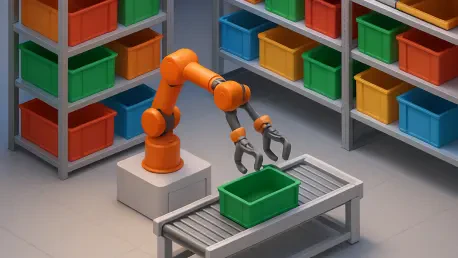
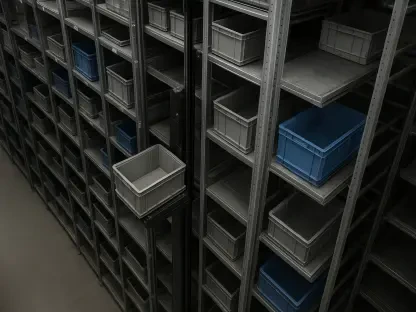
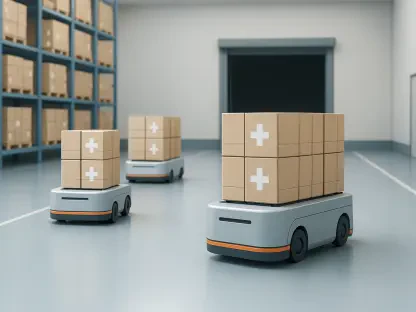
When paired with the specialized Max Workstation, this climbing AMR facilitates a dual-point continuous feeding mode that processes more than 800 totes per hour at a single station. This advancement addresses the chronic bottleneck faced by modern fulfillment centers where traditional conveyor

The strategic alliance between Jungheinrich and Movu Robotics addresses the escalating costs of industrial real estate by implementing high-density, multi-deep pallet storage systems. As global supply chains face unprecedented volatility in 2026, the necessity for robust, space-saving

By converting physically demanding warehouse jobs into remote digital roles, Avatar Robotics aims to create an "unlimited workforce" for the global supply chain. This San Francisco-based technology firm is addressing the chronic labor shortages that have plagued the logistics and manufacturing

Western analysts are increasingly concerned that China’s control over critical minerals now relies as much on logistical networks and warehouses as it does on the mines themselves. This strategic pivot signals a move beyond mere extraction, focusing instead on the sophisticated management of the

Global supply chains have long struggled with a pervasive lack of granular visibility, leading to billions of dollars in lost inventory and inefficient resource allocation across the modern retail landscape. Traditional tracking methods often fail at the item level because manual scanning is