
The decisive finalization of the one point four billion dollar acquisition of FedEx Supply Chain by the CMA CGM Group has established a transformative precedent for how maritime giants can effectively bridge the divide between global deep-sea shipping and regional domestic fulfillment. As of 2026, the logistics sector is witnessing a deliberate departure from the fragmented port-to-port models of the past toward a consolidated “end-to-end” ecosystem. This strategic entry into the North American contract logistics market is not merely a transaction but a fundamental realignment of power. By absorbing a major domestic player, CMA CGM is positioning itself to control every touchpoint of a product’s journey, effectively neutralizing the friction points that previously hindered international trade.
North America has emerged as a primary growth engine for the Group, providing a stable counterweight to the economic volatility seen in other global regions. The synergy between a dominant maritime carrier and the established domestic infrastructure of FedEx Supply Chain creates a unique competitive advantage. This move enables the organization to bypass the traditional reliance on third-party handovers, which often lead to delays and increased overhead costs. Consequently, the integration represents a bold statement on the necessity of land-side assets in securing a resilient and predictable supply chain for the coming years.
The New Frontier of Integrated Global Trade and Domestic Fulfillment
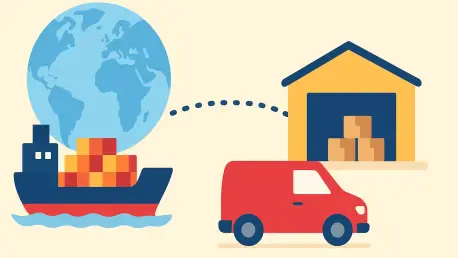
The shift toward a holistic supply chain model reflects a broader industry recognition that ocean transport is only as efficient as the land-side systems that support it. By acquiring FedEx Supply Chain, CMA CGM has effectively bridged the “moat” between international freight and domestic warehousing. This transition allows for a level of coordination that was previously impossible, as a single entity can now manage the arrival of a vessel at the port and the subsequent sorting of goods for immediate regional distribution. Such integration minimizes the time spent in storage and maximizes the velocity of inventory moving through the network.
Moreover, the combination of maritime dominance and domestic logistics infrastructure serves as a strategic hedge against port congestion and labor shortages. Having direct control over warehouse facilities and trucking networks means that the Group can reroute shipments or prioritize high-value cargo with unparalleled agility. This model addresses the increasing demand from global brands for a “one-stop-shop” logistics partner that can handle the complexities of customs, storage, and final delivery without the need for multiple contractual layers.
Accelerating the Shift Toward Multimodal Logistics Powerhouses
The emergence of multimodal powerhouses is fundamentally changing how shippers perceive the value of a logistics partner. Instead of selecting specialized carriers for different segments of the journey, businesses are increasingly gravitating toward unified service providers. This consolidation reduces the administrative burden on manufacturers and retailers while ensuring a higher degree of accountability. If a delay occurs at any point in the chain, the responsibility lies with a single provider, simplifying the resolution process and enhancing overall reliability.
In contrast to the traditional model where logistics was a background function, it is now a primary driver of competitive advantage in the retail and tech sectors. Companies are seeking partners who can offer vertical-specific expertise, particularly in high-value industries like healthcare and consumer electronics. The ability of a logistics provider to offer specialized handling and climate-controlled storage throughout the entire journey—from an overseas factory to an American doorstep—has become a prerequisite for success in 2026.
Emerging Trends in Hyper-Localization and Consumer Fulfillment
The rise of last-mile urgency has forced a rethink of how and where goods are stored across the United States. By adding 34 million square feet of warehouse space through this acquisition, the Group is effectively bringing products closer to the end consumer than ever before. This hyper-localization is essential for meeting the rapid delivery expectations that have become the standard in modern e-commerce. It allows for a drastic reduction in lead times, as goods are strategically staged in regional hubs rather than centralized mega-warehouses.
Beyond simple storage, these 150 warehouse locations serve as vital nodes for value-added services such as kitting, labeling, and reverse logistics. The transition from a fragmented network to a unified service provider significantly reduces handover errors, which are often the primary cause of damage or loss during the transition between sea and land. As delivery windows continue to shrink, the proximity of fulfillment centers to major population centers will remain a critical factor in maintaining consumer satisfaction.
Quantitative Growth: Performance Projections for the US Market
The scale of this expansion is most evident in the doubling of the North American workforce to roughly 20,000 employees. This infusion of human capital provides the operational depth required to manage complex fulfillment tasks during peak seasonal surges. With the integration of FedEx’s regional expertise, CEVA Logistics is expected to triple its footprint, significantly increasing its market share in the contract logistics sector. This growth is not merely physical but also financial, as the Group leverages the new assets to capture a larger portion of the domestic freight spend.
Assessing the long-term value of the multi-year commercial agreement between FedEx and CMA CGM reveals a strategic interdependence that will likely define the market for years. FedEx, while divesting its supply chain unit, retains a “preferred carrier” status that ensures its core transportation services remain deeply embedded in the new ecosystem. This partnership creates a feedback loop where maritime efficiency feeds domestic volume, and domestic logistics data informs oceanic scheduling. Projections indicate that this synergy will result in a more optimized use of capacity across both air and sea routes.
Overcoming Structural and Operational Hurdles in a Disruptive World
Managing the integration of 10,000 new employees across 150 distinct locations presents a monumental cultural and operational challenge. Harmonizing the corporate cultures of a historic maritime firm and a fast-paced domestic logistics giant requires careful leadership and clear communication. The risk of operational silos remains a concern, as regional warehouse managers must now align their local goals with the broader strategic objectives of a global transport group. Maintaining service continuity during this massive organizational transition is paramount to retaining existing client trust.
Furthermore, the technological gap between disparate digital frameworks can act as a significant bottleneck. Synchronizing the tracking systems used by CEVA Logistics with the legacy platforms of FedEx Supply Chain is an ongoing process that requires substantial investment in software integration. Without a unified “digital twin” of the entire supply chain, the benefits of the acquisition cannot be fully realized. Mitigating external risks such as fluctuating fuel costs and global port congestion also demands a more sophisticated approach to data analytics and predictive modeling.
Navigating the Regulatory and Compliance Landscape of Global Mergers
The oversight of international acquisitions within the United States logistics sector has become increasingly rigorous, particularly regarding national security and data privacy. Protecting sensitive supply chain information in an automated environment is a top priority for regulators who are wary of the potential for foreign entities to control critical infrastructure. CMA CGM must navigate these waters by demonstrating transparency in its data management practices and adhering to the highest standards of cybersecurity. Compliance with maritime and domestic freight regulations under the new “preferred carrier” status also requires constant monitoring to ensure fair competition.
Environmental regulations are another significant factor influencing the new multimodal landscape. There is an increasing push for sustainable transport solutions that minimize the carbon footprint of the entire logistics chain. The Group is forced to align its domestic land operations with its global sustainability goals, which include the adoption of electric delivery vehicles and energy-efficient warehouse management. This regulatory pressure is not just a hurdle but an opportunity to differentiate the service offering as a “green” supply chain solution for environmentally conscious brands.
The Future of Logistics: Automation, Robotics, and Strategic Alliances
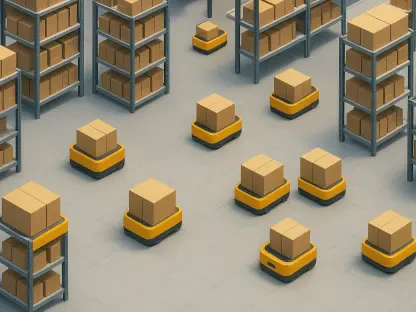
The role of artificial intelligence and robotics is set to expand rapidly across the newly acquired warehouse environments. High-volume fulfillment centers are increasingly relying on automated storage and retrieval systems to manage inventory with a level of precision that human labor cannot match. This move toward automation is a direct response to labor shortages and the need for 24-hour operation in the e-commerce sector. The data generated by these automated systems will likely fuel the next generation of supply chain optimization tools.
Forecasts suggest that the FedEx “strategy of simplification” will encourage other major players to divest non-core assets in favor of strategic partnerships. This leads toward a “Logistics-as-a-Service” model where technology platforms provide the visibility and control while asset owners provide the physical capacity. Shipping lines will likely continue to acquire domestic land-side assets, blurring the lines between oceanic carriers and local delivery firms. This trend points toward a future where the physical assets and digital platforms are so tightly integrated that they operate as a single, living organism.
A Unified Vision for a Resilient American Supply Chain
The strategic integration of FedEx Supply Chain into the wider portfolio provided a clear roadmap for other maritime operators seeking to mitigate the risks of port congestion and fragmented inland distribution. Industry analysts suggested that stakeholders monitored the alignment of digital asset management and the retention of specialized personnel as the primary indicators of long-term success. This move prioritized a shift toward a single-source logistics model, which allowed retailers to outsource their entire fulfillment operation to a unified entity. It was understood that future resilience resided in these types of strategic alliances, which bridged the gap between oceanic freight and the final mile of delivery.
The consolidated infrastructure eventually enabled a more responsive approach to sudden market shifts and localized disruptions. Large-scale enterprises focused on consolidating their vendor lists, choosing to work with partners who offered comprehensive visibility from the point of manufacture to the consumer’s doorstep. This evolution in the American supply chain suggested that the era of isolated transportation segments had come to an end. Success was determined by the ability to synchronize physical movements with real-time data, ensuring that the entire logistics network functioned as a seamless and resilient whole.