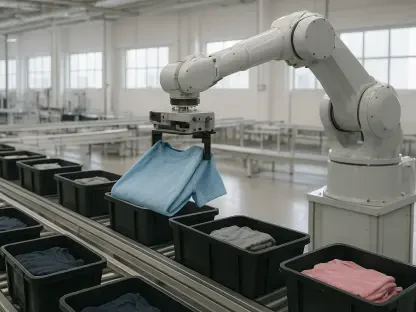

The sheer scale of Amazon’s fulfillment centers has long been a marvel of modern logistics, yet the silent hum of electric motors is increasingly replacing the rhythmic footsteps of human workers across these massive facilities. While the company has utilized robotic assistance for over a decade,
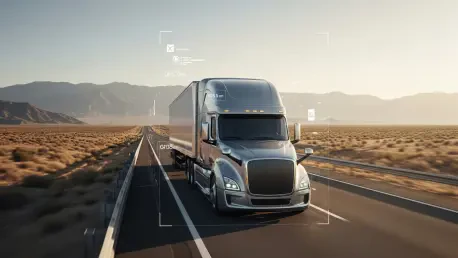
The sheer volume of freight crossing the Mexican border and navigating internal corridors has reached a point where traditional logistics management can no longer keep pace with reality. While the industry spent years investing in basic digitization, the current landscape demands something more
Rohit Laila is a seasoned veteran in the logistics space, having navigated the industry’s shift from manual ledgers to high-speed automation over several decades. With a deep-seated passion for how technology reshapes the movement of goods, he views the modern warehouse not just as a storage
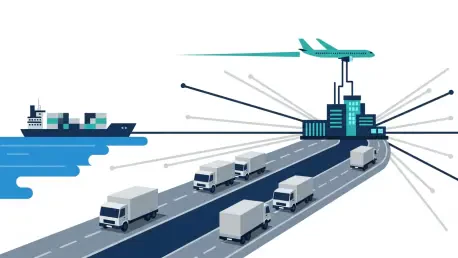
Modern logistics has transitioned from a basic functional requirement into the primary engine of international trade, determining the success of entire industrial ecosystems across the globe. This shift represents a broader transformation where supply chain efficiency has moved from the shadows of

The rapid transition from legacy diesel-dependent fleets to intelligent, zero-emission networks has fundamentally altered how global logistics providers approach every mile of their operations today. In this landscape, fleet managers have transcended their traditional roles as asset coordinators to

A massive fulfillment center might deploy five hundred autonomous mobile robots (AMRs) only to find that the expected twenty-percent efficiency gain never actually materializes because the team lacks a cohesive leadership strategy on the warehouse floor. While corporate boardrooms are eager to