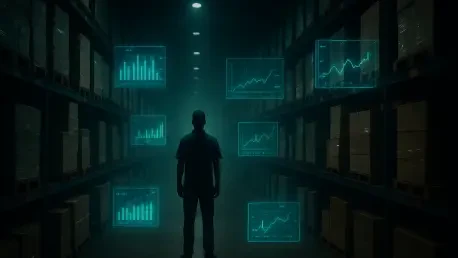
Rohit Laila is a veteran of the logistics world, a man who has spent the better part of three decades navigating the intricate labyrinths of global supply chains and delivery networks. His career has mirrored the evolution of the industry itself, moving from the analog era of clipboards and manual
Rohit Laila stands at the intersection of traditional logistics and cutting-edge innovation, bringing decades of experience navigating the complexities of global supply chains. He has witnessed the industry transition from manual sorting to the high-tech, autonomous environments that define modern
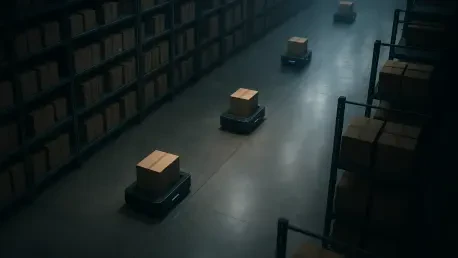
In the high-stakes theater of global logistics, the competitive edge is no longer found in the volume of data a company gathers but in the speed at which it deciphers the signal from the noise. For years, the industry focused on the sheer accumulation of digital footprints, yet the gap between
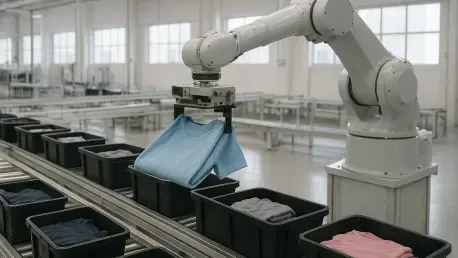
Rohit Laila stands at the intersection of traditional logistics and cutting-edge robotics, bringing over twenty years of experience to the table in global supply chain management. His deep understanding of how physical goods move across borders makes him the perfect guide to decode the massive

The logistics industry has long mastered the art of moving goods across oceans and continents, yet the final few dozen meters—the journey from a building’s lobby to a high-rise doorstep—remain the most expensive and complex bottleneck in the entire supply chain. This "last 30 meters" is where
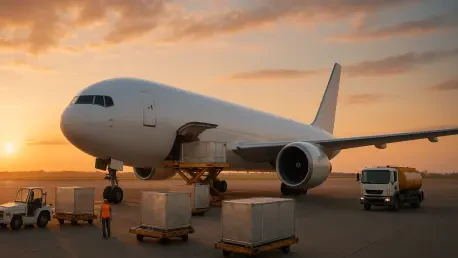
Global supply chains are currently witnessing a significant cooling period as air freight rates finally begin to retreat from the extreme peaks that defined the early part of the decade. Mid-2026 data indicates a transition toward a more predictable logistics landscape where the chronic volatility