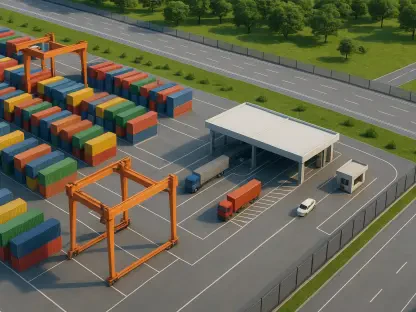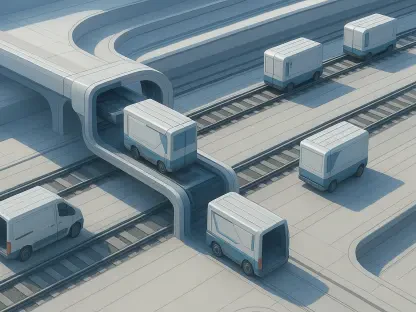

The fundamental mechanics of how corporations choose their physical footprints have shifted from a surface-level search for proximity to major highways toward a deep-rooted obsession with high-capacity rail connectivity. This transition represents a significant reorganization of the industrial site
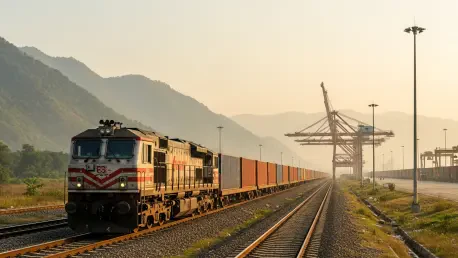
The operationalization of direct rail links between the industrial heartlands of India and the major commercial gateways of Nepal has initiated a fundamental shift in the regional logistics landscape. For decades, bilateral trade was defined by the inefficient bottleneck of thousands of trucks

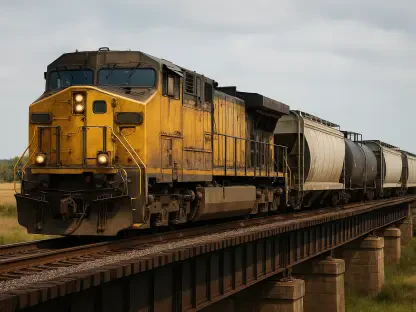
The fragmented nature of the North American Class I rail network has long served as a bottleneck for efficient coast-to-coast logistics, forcing freight to undergo time-consuming interchanges in congested hubs like Chicago or St. Louis. For decades, the industry has operated under the shadow of a
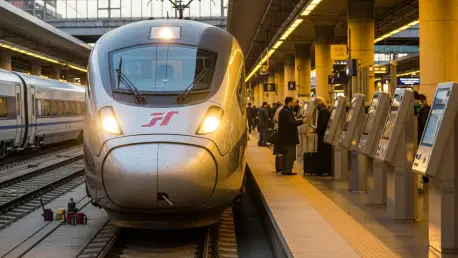
The sudden influx of millions of pilgrims toward the sacred banks of the Ganges in Haridwar and Rishikesh necessitates a transport infrastructure capable of handling unprecedented density and movement. To address this logistical challenge during the peak period of the annual Kanwar Yatra, Northern
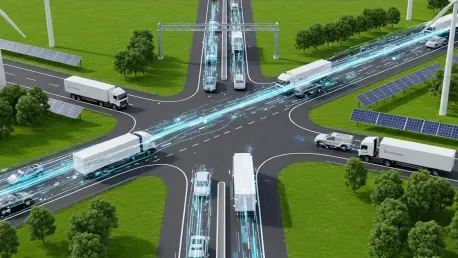
The intricate web of the United Kingdom's supply chain faces a critical juncture as industry executives demand that the newly appointed Prime Minister elevate freight transport to the top of the legislative agenda. For too long, the movement of goods has been treated as a secondary consideration in
The persistent bottlenecks at the Port of Durban and the systemic inefficiencies throughout the national rail network have created a logistics crisis that currently hampers the ability of South African exporters to compete in the global marketplace. While the physical deterioration of aging