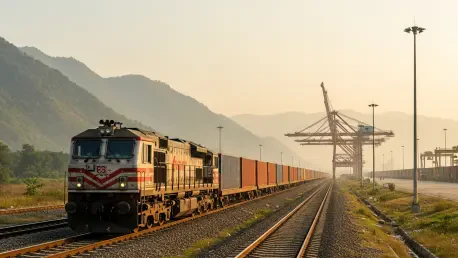

The operationalization of direct rail links between the industrial heartlands of India and the major commercial gateways of Nepal has initiated a fundamental shift in the regional logistics landscape. For decades, bilateral trade was defined by the inefficient bottleneck of thousands of trucks queuing at the Raxaul-Birgunj border, where delays were common and costs fluctuated based on local conditions. However, the introduction of broad-gauge rail connectivity has begun to dismantle these barriers, offering a more predictable and scalable alternative for transporting heavy goods. This transformation is not merely about replacing trucks; it represents an overhaul of the supply chain that integrates Nepalese markets directly into the vast Indian railway network. As physical infrastructure matures, reliance on high-cost road transport is diminishing, allowing for a more competitive industrial environment. This shift serves as a cornerstone for future economic cooperation and global market access.
Streamlining Logistics: Integrated Rail
Efficiency: Lowering Transit Costs
One of the most significant impacts of the direct rail link is the reduction in the overall cost of doing business for Nepalese manufacturers who rely on imported raw materials. Historically, unloading cargo at Indian ports and transshipping it via road to the border added layers of complexity and expense that were passed on to the consumer. With the new rail corridors, bulk commodities such as fertilizers, cement clinker, and industrial chemicals can now be moved in full rake loads directly to dry ports within Nepal. This change has eliminated the need for multiple handling stages, which lowers labor costs and reduces the risk of cargo damage or pilferage during transit. Furthermore, the efficiency of rail transport allows for better inventory management, as businesses can now plan their production cycles around more reliable delivery schedules. By streamlining the movement of these essential inputs, the rail network is fostering a resilient manufacturing sector.
Digital: Tracking Trade Flow
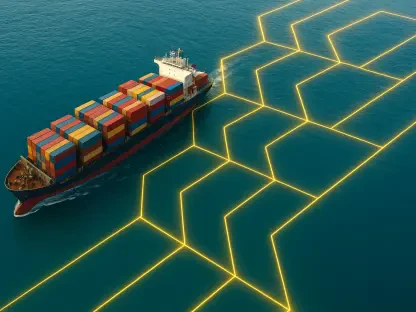
Beyond the movement of goods, the integration of digital tracking systems within the rail framework has revolutionized the transparency of cross-border operations. The implementation of the Electronic Cargo Tracking System allows customs officials and private importers to monitor the real-time movement of containers from Indian maritime hubs to final destinations. This technological layering has removed bureaucratic hurdles that previously slowed clearance at congested land ports. The reduction in detention and demurrage charges, which were a constant burden under the road-based system, has provided financial relief to the Nepalese private sector. Moreover, the shift to rail has contributed to a decrease in the carbon footprint of bilateral trade, aligning economic goals with sustainability. The synergy between physical rail assets and digital monitoring tools is creating a seamless logistics corridor that is far more sophisticated than the fragmented trucking networks utilized in the past years.
Strategic Ties: Regional Network
Scaling: Broad-Gauge Extensions
The expansion of the broad-gauge railway network into the Nepalese interior serves as a vital strategic link that connects the landlocked nation to the wider South Asian economic ecosystem. Projects such as the Jaynagar-Kurtha and the Raxaul-Kathmandu rail links are designed to create a high-capacity spine for the movement of people and goods. These developments are not isolated projects but are part of a larger regional vision to enhance connectivity under bilateral cooperation. The technical alignment of gauge standards between the two nations ensures that rolling stock can transition smoothly across the frontier without time-consuming transshipment. This technical harmony is essential for long-term scalability, as it allows for specialized freight services tailored to the needs of specific industries. As these lines extend further into the Nepalese hills, they promise to unlock the economic potential of regions once inaccessible for heavy industrial development or large-scale commerce.
Growth: Future Industrial Impact
The transition toward a rail-centric logistics model successfully addressed the historical inefficiencies that once plagued the bilateral trade relationship between India and Nepal. Stakeholders recognized that the modernization of border infrastructure was not merely a convenience but a fundamental necessity for industrial growth and price stability in the landlocked nation. By prioritizing cross-border connectivity, policymakers established a framework that significantly reduced the overhead costs for Nepalese importers while expanding the market reach for Indian exporters. The expansion of the railway network facilitated a shift from small-scale, fragmented trucking operations to a consolidated, high-volume shipping environment. This evolution effectively demonstrated that targeted infrastructure investment could overcome geographic barriers that had previously limited economic integration. Moving forward, the focus shifted toward maintaining digital systems to ensure continued transparency.