
The Dutch transport and logistics sector is currently standing at a pivotal crossroads where the traditional reliance on heavy industrial volume is rapidly giving way to a more sophisticated, service-oriented ecosystem driven by high-tech precision. As a cornerstone of the Netherlands’ economy and a vital artery for European trade, the industry is demonstrating remarkable resilience while navigating a landscape defined by rising operational costs and persistent geopolitical volatility. This transition is not merely a reaction to external pressures but a proactive shift toward a more professionalized and specialized model. While the sector is experiencing a period of cautious growth, projected at 1% for the current year and accelerating to 1.5% by 2027, the underlying structural changes are far more significant than these modest percentages suggest.
The primary driver of this evolution is a fundamental divergence between traditional volume-based freight and modern value-added services. For decades, the health of Dutch logistics was inextricably linked to the tonnage of bulk commodities like steel, chemicals, and raw construction materials. However, as the Dutch economy leans increasingly toward high-tech manufacturing, specialized healthcare, and professional business services, the logistics requirements have shifted. The industry is moving away from the “volume-first” mindset of the past to focus on precision, speed, and specialized handling. This change is essential for maintaining the Netherlands’ status as a global hub, especially as domestic labor markets tighten and environmental regulations become more stringent. The future of the sector depends on mastering the integration of digitalization, decarbonization, and diversification to remain competitive in a high-cost environment.
From Volume to Value: The Fundamental Evolution of the Dutch Trade Landscape
Historically, the Dutch logistics sector was built on the back of heavy industry and the immense throughput capacity of the Port of Rotterdam. For much of the late 20th century, the success of the national trucking fleet and maritime terminals was tethered to the massive tonnage of raw materials moving across European borders. This background is essential for understanding the current state of the market; while traditional industrial activities still account for approximately 75% of total freight volume, the growth is no longer coming from these legacy sectors. Instead, the economic engine of the Netherlands is now powered by high-value, low-volume goods. The rise of global leaders in the machinery, semiconductor, and biotech sectors has forced a departure from traditional logistics models, necessitating a shift toward highly specialized transport solutions.
Understanding this evolution is critical because it explains why modern Dutch logistics hubs are investing more in precision handling and climate-controlled storage than in simple massive-scale capacity. The specialized needs of the semiconductor industry, for instance, require vibration-controlled transport and ultra-clean warehousing environments that traditional bulk carriers are not equipped to provide. Furthermore, the growth of the healthcare and pharmaceutical sectors in the Netherlands has created a demand for cold-chain logistics that prioritizes reliability over raw cost. This shift toward value-added services allows logistics providers to command higher margins, which is a necessary buffer against the rising costs of labor and energy that characterize the current economic climate.
Moreover, the transition to a service-oriented economy has implications for the physical infrastructure of the country. As the demand for heavy industrial transport plateaus, there is a growing need for “just-in-case” logistics facilities that can store high-value components closer to end-users. This trend toward supply chain resilience has replaced the old “just-in-time” model, which was found to be too fragile during recent global disruptions. Consequently, the Dutch landscape is seeing the development of more sophisticated, tech-heavy distribution centers that serve as strategic buffers for global supply chains. These facilities are no longer just warehouses; they are data-driven hubs where inventory management and light assembly add layers of value to the traditional transport process.
Modernization Under Pressure: The Dual Impact of Financial Strain and Global Volatility
Road Transport: Managing the Financial Realities of an Expensive Transition
Road transport serves as the primary barometer for domestic Dutch demand, yet it currently faces a “triple threat” of rising operational costs. While consumer spending has remained surprisingly steady throughout 2026, transport operators are struggling to maintain profitability. The financial strain is driven by volatile energy prices, the necessity of significant wage increases to combat labor shortages, and the introduction of new regulatory fees like truck tolls. These financial pressures have led to a noticeable spike in bankruptcies among smaller firms that lack the capital to modernize or the scale to negotiate better rates with shippers. This environment is accelerating a trend toward consolidation, as larger entities absorb smaller players to gain the scale required for expensive investments in fleet electrification and digital logistics platforms.
The labor shortage in road transport has become a permanent structural feature rather than a temporary hurdle. With an aging workforce and fewer young entrants choosing trucking as a career, firms are forced to offer higher wages and better working conditions to retain staff. This increased labor cost, combined with the capital-intensive nature of the transition to zero-emission vehicles, is creating a high barrier to entry. As a result, the industry is seeing a move toward professionalization, where companies are no longer just “movers of goods” but strategic partners who provide integrated supply chain solutions. The successful road transport firms of the future will be those that can leverage data-driven route optimization and automated scheduling to squeeze efficiency out of every kilometer driven.
Maritime Strategy: Turning Global Disruption into Tactical Resilience
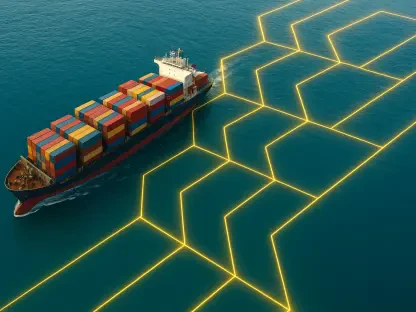
The maritime and port sectors have managed to turn global instability into a strategic advantage, although this resilience brings its own set of logistical hurdles. Geopolitical disruptions in major shipping lanes, such as the Red Sea and the Black Sea, have forced vessels to take longer routes around the Cape of Good Hope. While these extended voyages reduce effective global capacity and support higher freight rates, they also create significant operational challenges for Dutch ports. The Port of Rotterdam, for instance, has seen a massive surge in the movement of empty containers. As Europe continues to import more from Asia than it exports back, the management of these empty units creates congestion at terminals and increases the complexity of port operations.
Furthermore, environmental factors are posing an increasing threat to the reliability of inland shipping, which is a critical component of the Dutch “modal shift” strategy. Fluctuating river levels, driven by changing climate patterns, have frequently restricted the loading capacity of barges on the Rhine and other major waterways. When water levels are low, vessels can only carry a fraction of their maximum load, which drives up freight rates and reduces the efficiency of waterborne transport. If the reliability of these waterways continues to be compromised, there is a significant risk that shippers will permanently revert to road transport. Such a reversal would not only increase congestion on Dutch highways but also undermine the country’s long-term environmental goals of moving freight from road to water and rail.
Aviation and Parcels: Regulatory Limits and the Maturation of E-Commerce
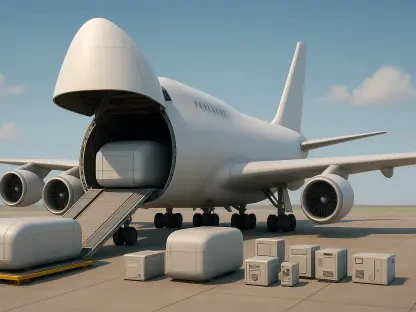
Aviation in the Netherlands is currently hitting a regulatory and physical ceiling that is reshaping the competitive landscape. Schiphol Airport is operating near its practical capacity limit of 478,000 flights per year, and any future growth must come from increased efficiency or larger aircraft rather than more frequent takeoffs. At the same time, the “green transition” is making Dutch aviation more expensive. The phase-out of free CO2 emission allowances and the mandate for Sustainable Aviation Fuel are driving up costs for airlines and passengers alike. This has led to a trend where travelers increasingly seek out neighboring German or Belgian airports to avoid domestic environmental levies. For the logistics sector, these constraints mean that air freight is becoming a premium service reserved for the most time-sensitive and high-value shipments.
Similarly, the parcel market has reached a state of maturity following years of explosive, double-digit growth. The era of rapid e-commerce expansion has transitioned into a phase of regulatory adjustment and cost optimization. A pivotal change has been the introduction of new levies on low-cost international shipments, particularly those arriving from non-EU countries. These fees are forcing international retailers to rethink their fulfillment strategies. Instead of shipping individual low-value parcels directly from Asia, many companies are shifting toward consolidated maritime freight, storing goods in European fulfillment centers for local distribution. This shift benefits large-scale Dutch logistics hubs but reduces the volume of high-margin international air-parcel traffic, signaling a new era of “slower but more efficient” e-commerce logistics.
Technological Shifts: The Future of Energy and Data-Driven Logistics
Looking toward the immediate future, the industry is being reshaped by emerging trends in artificial intelligence infrastructure and energy transition logistics. The construction of massive data centers and the installation of renewable energy hardware, such as offshore wind components, are creating a new category of demand that requires highly specialized logistics services. These projects involve moving oversized, heavy, and extremely sensitive equipment that traditional freight forwarders are not equipped to handle. This niche is becoming a significant growth area for Dutch firms that possess the technical expertise and specialized equipment needed for “project logistics.” As the energy transition accelerates, the demand for these services is expected to outpace traditional industrial freight.
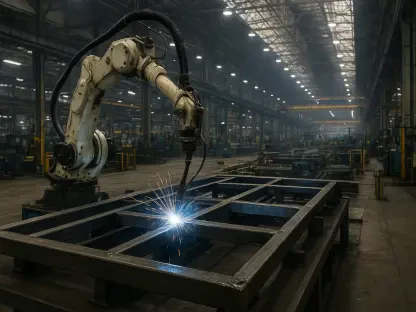
On the regulatory and technological front, the push toward 2030 climate goals is intensifying. The sector is seeing a more aggressive rollout of electric heavy-duty trucking and hydrogen solutions, supported by government charging schemes and subsidies. However, the transition is not without its challenges; the lack of a robust, high-capacity charging infrastructure remains a major bottleneck for the widespread adoption of electric trucks. To survive in this high-cost, high-tech environment, logistics providers are increasingly turning to data-driven route optimization and automated warehousing. In 2026, these technologies are no longer optional advantages but basic requirements for operational survival. The ability to track every item in real-time and predict supply chain disruptions using AI is what separates the market leaders from those struggling to stay afloat.
Strategies for Resilience: Professionalization in a Competitive Market
To thrive in this evolving landscape, businesses and professionals must adopt a forward-thinking approach that prioritizes long-term resilience over short-term volume. The primary takeaway for logistics providers is the necessity of professionalization; companies must move away from being simple transporters of goods and toward becoming strategic partners who manage complex, “just-in-case” supply chains. This requires a significant investment in both technology and human capital.
- Prioritize Automation: To mitigate the permanent structural shortage of labor, firms must prioritize investments in automated warehouse systems and AI-driven management tools. These technologies not only reduce the reliance on scarce labor but also increase the accuracy and speed of operations, which is critical for high-value logistics.
- Bridge the Green Gap: Companies should actively utilize available subsidies and green financing to bridge the financial gap between traditional diesel and zero-emission operations. Being an early adopter of sustainable technology is becoming a competitive advantage, as more shippers demand low-carbon transport solutions to meet their own corporate social responsibility goals.
- Diversify Service Portfolios: Shifting focus from declining bulk sectors to high-growth areas like high-tech components, pharmaceutical logistics, and energy transition projects provides a necessary buffer against industrial stagnation. Diversification is the key to maintaining stable margins in a volatile market.
A Future Defined by Adaptation: The Long-Term Outlook for Dutch Logistics
The Dutch transport and logistics sector underwent a significant transformation that redefined its role within the global economy. The analysis demonstrated that the successful navigation of this period was dependent on a shift from volume-driven models to value-added service frameworks. It became clear that the integration of digitalization and decarbonization was not merely a regulatory requirement but a fundamental necessity for maintaining operational viability in a high-cost environment. The industry realized that the “gateway to Europe” status could no longer be taken for granted based on geography alone; it had to be earned through technological leadership and supply chain sophistication.
Stakeholders within the sector recognized that the structural labor shortage and rising energy costs were permanent fixtures that demanded innovative solutions. The focus shifted toward consolidating fragmented markets and investing heavily in the professionalization of the workforce to handle increasingly complex logistical tasks. The maritime and aviation sectors adapted to physical and regulatory limits by prioritizing high-margin traffic, while the parcel market stabilized into a more sustainable and consolidated model. These strategic shifts ensured that the Netherlands remained a critical node in the global trade network, even as the nature of that trade changed fundamentally.
Ultimately, the period proved that resilience was born from the ability to adapt to a landscape of constant volatility. The transition toward “cautious growth” allowed the sector to rebuild on a more stable and sustainable foundation. By mastering the complexities of the energy transition and the demands of the high-tech economy, the Dutch transport and logistics industry secured its relevance for the coming decade. The commitment to innovation and specialized services provided a clear path forward, transforming the challenges of the present into the competitive advantages of the future. The sector concluded this chapter of its history not by returning to old ways, but by leading the charge into a more professional, efficient, and environmentally conscious era of global trade.