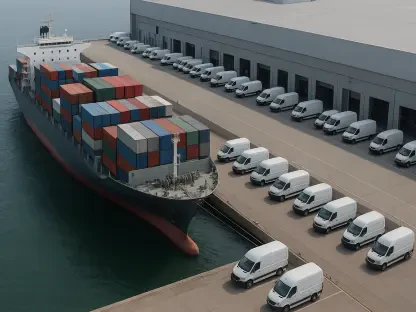

International shipping regulations are struggling to keep pace with the physical dangers inherent in the chemical makeup of modern lithium-ion storage devices. As the global economy pivots toward an all-electric paradigm in 2026, the sheer volume of high-capacity batteries traversing the oceans has reached unprecedented levels. This transition, while essential for reducing carbon emissions, has introduced a volatile variable into the maritime logistics chain that the industry is currently ill-equipped to handle. The disparity between the rapid adoption of green technology and the static nature of maritime safety protocols creates a dangerous friction. Vessels designed decades ago to carry inert consumer goods are now being filled with concentrated chemical energy that can ignite without warning. This mismatch in technology and infrastructure is not merely a logistical headache; it is a fundamental threat to the safety of crews and the stability of international trade routes during this pivotal era of energy transformation.
The Volatile Chemistry of Modern Cargo
The primary danger inherent in transporting these energy storage devices stems from a complex chemical reaction known as thermal runaway. This phenomenon occurs when an internal short circuit, often caused by physical damage or a manufacturing defect, triggers a self-sustaining cycle of rising temperatures and the rapid release of toxic, flammable gases. Unlike conventional fires involving wood or plastics, lithium-ion battery blazes generate their own oxygen, rendering traditional carbon dioxide or water-based suppression systems largely ineffective. Once a single cell enters this state, the heat quickly spreads to adjacent cells, creating a chain reaction that can lead to explosive force and temperatures exceeding one thousand degrees Celsius. The maritime environment exacerbates this risk because once a fire starts in a tightly packed container, it is nearly impossible for the crew to access the source. The resulting chemical fires burn with an intensity that can warp steel.
Recent industry data indicates that a major fire occurs on a large containership approximately once every seventeen days, reflecting a trend that has worsened as battery shipments increase from 2026 toward 2028. While not every incident is directly linked to lithium-ion technology, the unique difficulty of extinguishing these specific fires makes them disproportionately catastrophic. The scale of the threat is often underestimated due to the deceptive nature of consumer electronics. For instance, a single twenty-foot container packed with several thousand high-end laptops possesses a cumulative energy potential equivalent to multiple full-sized electric vehicles. This concentration of power turns standard shipping units into potential incendiary devices that can smolder undetected for days before erupting. The maritime sector currently lacks the specialized firefighting equipment and training necessary to suppress such high-intensity chemical events effectively at sea.
The Regulatory Gap and Future Solutions
A critical vulnerability in the current logistics framework is the rampant issue of misdeclared cargo, which effectively blindsides vessel operators regarding the risks they are carrying. Inspections conducted across major global ports suggest that roughly ten percent of all containers have significant deficiencies, ranging from improper stowage to the outright fraudulent declaration of contents. This crisis is fueled by a desire to avoid the higher freight rates and stringent handling requirements associated with dangerous goods classifications. When high-capacity batteries are labeled as general merchandise, they are often placed in the hold or at the bottom of stacks where temperature monitoring is difficult and fire suppression is impossible. This lack of transparency forces ship captains to make critical safety decisions based on inaccurate data, putting the entire vessel at risk. The global shipping community is currently operating on a system of trust that is failing.
The physical journey across the ocean also highlighted how environmental stressors, such as the intense heat generated within steel containers during slow-steaming or port delays, exacerbated chemical volatility. It became clear that the industry could no longer rely on outdated fire-suppression methods, leading to the implementation of specialized thermal monitoring for every battery-laden unit. Shipowners eventually mandated that any container holding concentrated power cells be stowed in accessible, ventilated areas equipped with encapsulated fire-extinguishing systems. These advancements were paired with a radical overhaul of inspection protocols where digital manifests were cross-referenced with real-time chemical sensors at every major terminal. By moving away from a system based on trust and toward a framework of verified safety, the maritime sector successfully reduced the incidence of spontaneous ignition. These proactive measures ensured that the transition to a battery-dependent economy remained viable.