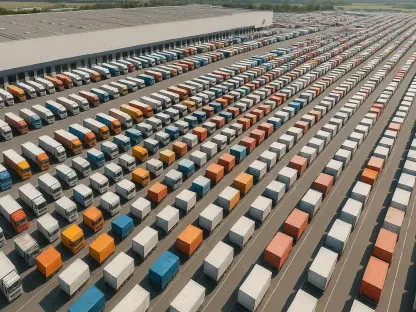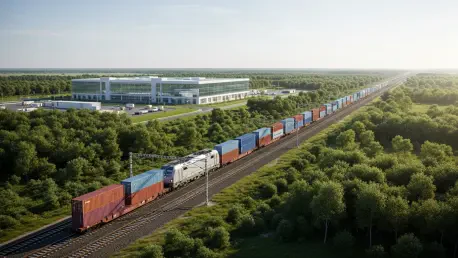

Poland is currently undergoing a massive structural transformation that positions it as the central nervous system for cargo movement across the entire European continent. This evolution marks a decisive departure from traditional road haulage, moving toward a sophisticated rail-road combined transport model. Maritime gateways like the Port of Gdańsk and the new terminal in Świnoujście act as primary entry points, funneling goods into Central and Eastern Europe. Consequently, Poland now serves as a critical lifeline for landlocked markets including the Czech Republic, Slovakia, and Hungary. Major operators like Rohlig SUUS Logistics are spearheading this shift, turning the nation into a regional logistics powerhouse that increasingly influences trade flows far beyond its own borders.
Market Dynamics and the Shift Toward Integrated Logistics
Emergent Trends Driving Combined Transport Solutions
The adoption of green logistics has become a major catalyst for this change, with environmental goals pushing companies toward carbon-friendly solutions. Shifting freight to rail on long-haul routes to Italy or Spain can slash carbon emissions by up to 80 percent, offering a significant advantage for firms prioritizing sustainability. Beyond environmental benefits, intermodal transport provides a vital buffer against global supply chain disruptions and the chronic driver shortages that currently plague the trucking industry. Technological integration, including digital tracking and automated terminal management, ensures that these combined solutions remain competitive with traditional road freight by providing real-time cargo monitoring.
Quantifying the Growth: Performance Indicators and Forecasts
Current performance metrics illustrate this momentum with record-breaking results. During the initial months of 2026, the sector recorded nearly 790,000 TEU transported via rail, signaling a historic high for the industry. This volume represents a 19.2 percent share of the total rail freight sector, confirming that intermodal solutions are no longer a niche alternative but a primary component of the national economy. Projected expansion indicates that terminal capacity will continue to rise as international corridor traffic increases, reinforcing Poland’s role as a transit leader.
Navigating Infrastructure Gaps and Operational Bottlenecks
However, a network density paradox remains a significant hurdle for the country’s ambitions. While Poland ranks seventh in Europe for its total number of intermodal terminals, it sits at eighteenth for railway network density. Modernizing domestic tracks is a top priority to improve average commercial speeds and reduce transit times. Strategic hubs like Małaszewicze and Sławków require targeted investment to resolve capacity constraints that often hinder smooth East-West transit. Balancing private capital with public funding is essential to accelerate these infrastructure upgrades and maintain a competitive edge.
The Regulatory Framework and Environmental Compliance Standards
The regulatory landscape further reinforces this transition through the EU Green Deal mandates which force a modal shift toward rail. Standardizing cross-border transit protocols is essential for seamless operation across different European jurisdictions and rail systems. Safety and security protocols are also becoming more stringent, especially for hazardous materials and high-value cargo. Governments are increasingly offering subsidies and tax breaks to encourage this adoption, aligning corporate behavior with long-term environmental standards and security requirements.
Future Pathways for Poland’s Connectivity in Global Trade
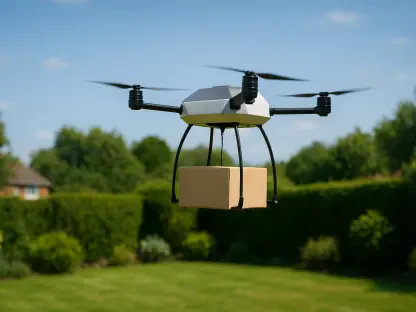
Looking forward, Poland’s connectivity is poised to expand via the Silk Road and southern corridors connecting to the United Kingdom and Italy. Innovation in terminal automation will likely lead to the rise of smart hubs that drastically reduce turnaround times for containerized cargo. Geopolitical shifts and the eventual reconstruction of Ukraine will also create unprecedented demand for Polish logistics expertise. Furthermore, the rise of e-commerce is forcing providers to develop faster and more sustainable middle-mile delivery solutions to meet consumer expectations for rapid shipping.
Strategic Recommendations for Sustaining Logistics Leadership
Future success depended on strengthening the links between maritime ports and domestic inland terminals. Public-private partnerships were identified as the primary vehicle for closing infrastructure gaps and expanding terminal reach. Stakeholders prioritized investment in domestic rail speed to ensure Poland maintained its trajectory as the dominant logistics engine of Europe. Ultimately, the integration of smart technology and sustainable practices provided the foundation for a resilient and competitive intermodal network.