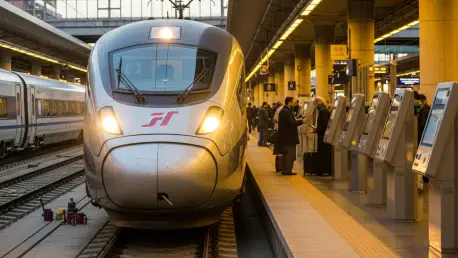

The sudden influx of millions of pilgrims toward the sacred banks of the Ganges in Haridwar and Rishikesh necessitates a transport infrastructure capable of handling unprecedented density and movement. To address this logistical challenge during the peak period of the annual Kanwar Yatra, Northern Railway implements a comprehensive operational strategy involving dozens of special train services and expanded station amenities. This surge in railway capacity aims to provide safer and more efficient transit for the vast numbers of devotees traveling from neighboring states like Uttar Pradesh, Delhi, and Haryana. By integrating real-time tracking and specialized security protocols, the railway administration is prioritizing the safety of passengers while maintaining the regular schedule of long-distance express trains. The scale of this operation reflects a commitment to religious tourism and public safety, ensuring that heavy footfall at major transit hubs does not lead to overcrowding. This year, the deployment of additional rolling stock and dedicated ticket counters represent a shift toward proactive crowd management, setting a new standard for pilgrimage logistics.
Infrastructure Upgrades: Enhancing Capacity and Safety
The enhancement of physical infrastructure at key stations serves as the backbone for these expanded services, focusing particularly on Haridwar, Roorkee, and Saharanpur. Engineers finalize the installation of temporary holding areas and improved lighting systems to facilitate nighttime operations, as pilgrims often travel during the cooler hours. Beyond physical space, the Northern Railway deploys advanced biometric surveillance and AI-driven crowd monitoring software to identify potential bottlenecks before they become hazardous. Security personnel from the Railway Protection Force are redistributed to high-traffic platforms, working in tandem with local police to ensure seamless movement through exits and entries. Furthermore, the introduction of mobile-based ticketing and specialized help desks reduces the reliance on traditional counters, thereby thinning out the queues that typically congest station foyers. These technical and personnel-based interventions are designed to create a controlled environment where the flow of people is continuously assessed. Such measures ensure that even during peak hours, the transit system remains resilient against the logistical pressures of such a massive gathering.
Long-Term Strategy: Preparing for Future Transit Needs
Looking beyond the immediate requirements of the current season, the railway administration focused on developing a scalable model that can be adapted for future high-volume events across the national network. Transit authorities established a feedback loop with local municipalities to synchronize train arrivals with regional shuttle services, creating an integrated multi-modal transport experience. Strategic investments in track maintenance and platform expansion were accelerated to support higher frequency intervals between the special Kanwar Yatra trains and regular commercial traffic. Future considerations involved the permanent installation of high-capacity digital signage and automated health screening kiosks at pilgrimage gateways to enhance the overall passenger experience. Planners also looked at implementing dynamic pricing models and pre-booked slot systems to further distribute the passenger load across different times of the day. By analyzing the data gathered from this year’s operations, the ministry prepared a blueprint for more sustainable and tech-heavy infrastructure projects. These efforts solidified a foundation for more efficient religious transit, ensuring that safety and modernization remained the primary objectives for the evolving needs of the traveling public.