
The traditional rhythm of global trade has been replaced by a state of perpetual mobilization where the concept of a peak season has transformed from a seasonal sprint into a marathon of constant tactical adjustments. The global logistics and transport sector is currently undergoing a structural transformation, moving away from traditional seasonal cycles toward a more robust, permanent state of readiness. As the 2026 shipping landscape unfolds, the industry is witnessing a fundamental flattening of the peak, where businesses are intentionally spreading shipping volumes across the calendar to build resilience. This analysis explores how geopolitical instability, regulatory overhauls, and the emergence of the just-in-case model are redefining global trade. By examining the shift from efficiency-focused strategies to robustness-oriented operations, a roadmap emerges for understanding the complex interplay between sea, air, rail, and road freight in an increasingly unpredictable world.
This transformation is driven by the realization that the logistical bottlenecks of the early 2020s were not isolated incidents but precursors to a more volatile era. Businesses have recognized that the old ways of managing supply chains are no longer viable in a world where trade routes can be severed overnight. Consequently, the focus has shifted toward building a diverse portfolio of transport modes and regional storage hubs. This article aims to provide a comprehensive market analysis of these shifts, highlighting the critical trends that are shaping the industry today and will continue to influence it through 2028.
Navigating the New Era of Supply Chain Stability
The current landscape of global logistics is defined by a move away from the frantic, high-risk peaks of the past. Companies are no longer waiting for the traditional late-summer rush to move inventory; instead, they are adopting a more balanced approach that distributes volume throughout the year. This flattening of the shipping peak is a strategic choice designed to minimize the impact of sudden surges in freight rates and to avoid the crippling port congestion that previously characterized the autumn months. By smoothing out the flow of goods, enterprises can negotiate more stable contracts with carriers and ensure a more consistent supply of products to the market.
This new era of stability is not characterized by a return to the low-cost predictability of the previous decade, but rather by a sophisticated management of risk. Logistics providers are now expected to offer more than just transport; they must provide deep strategic insights and the ability to pivot rapidly between different modalities. The current market rewards flexibility and the capacity to anticipate disruptions. As a result, the industry is seeing a significant investment in data-driven decision-making tools that allow for real-time adjustments to shipping schedules and routes, ensuring that the supply chain remains functional even when primary corridors are compromised.
The Evolution of Logistics from Predictability to Volatility
Historically, the maritime shipping peak was a reliable phenomenon, typically concentrated in late July and August as retailers stocked up for the winter holidays. This predictable calendar was rooted in a stable geopolitical environment and a just-in-time manufacturing philosophy that prioritized lean inventories. However, escalating global tensions have dismantled these foundational concepts. Past developments, such as the Suez Canal obstructions and labor disputes at major European hubs, have taught the industry that reliance on a single timeline or route is a high-risk strategy. These background factors matter because they have triggered a permanent shift in corporate behavior, emphasizing that the safety margins of the past are no longer sufficient.
Understanding today’s logistics requires recognizing that the transition from a just-in-time to a just-in-case model is a structural necessity. The volatility witnessed in recent years has forced a re-evaluation of the value of inventory. Having goods on hand is no longer seen as an inefficient use of capital but as a vital insurance policy against the unknown. This shift has profound implications for warehouse demand, transport scheduling, and capital allocation. As we navigate the complexities of 2026, it is clear that the industry has moved into a defensive posture, where the priority is the continuity of the supply chain over the absolute minimization of costs.
Structural Adjustments in Global Freight Modalities
The Deconstruction of Maritime Timelines and Route Diversion
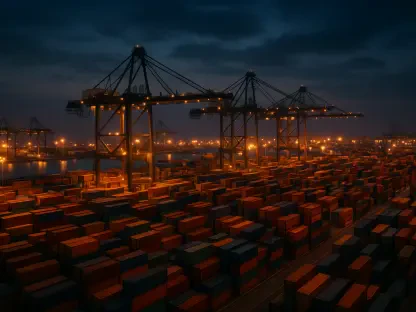
A critical aspect of the current landscape is the early onset of shipping volumes, with activity now surging as early as May. This shift is a direct response to the volatility in the Middle East, which has forced carriers to bypass the Red Sea in favor of the route around the Cape of Good Hope. While this adds approximately 15 days to transit times and increases fuel costs, it has become a necessary compromise for reliability. Current data suggests that maritime reliability has dipped to 60 percent, plagued by seasonal typhoons in Asia and recurring strikes in German and Dutch ports. The extended routes have also placed a strain on container availability, as vessels are tied up for longer periods, effectively reducing the global fleet’s capacity.
Consequently, Polish maritime terminals are gaining prominence, offering record transshipment figures and serving as a vital alternative for companies seeking operational flexibility amidst localized bottlenecks. The growth of these secondary hubs is a testament to the decentralization of European logistics. By utilizing ports that are less prone to the massive labor disputes seen in Western Europe, shippers can find a more reliable entry point into the continent. This geographic pivot represents a broader trend where the choice of port is dictated as much by labor stability and terminal efficiency as it is by proximity to the final destination.
Rail and Air Freight as Strategic Alternatives
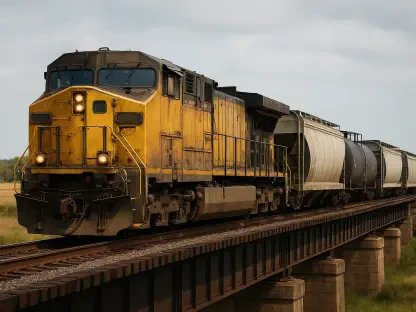
As sea freight becomes more volatile, rail transport has evolved from a niche option into a critical tool for supply chain diversification. In the first half of 2026, China-Europe rail routes have seen a significant increase in traffic, serving as a vital middle ground between slow sea routes and expensive air freight. The speed and predictability of rail make it an attractive option for high-value consumer goods and industrial components that cannot afford the 60-day transit time of diverted sea routes. However, this increased demand has also led to a tightening of capacity, requiring businesses to book space several months in advance to ensure their goods move on schedule.
Simultaneously, the air cargo sector is being redefined by two major forces: the European Union’s abolition of customs duty exemptions for low-value shipments and the massive demand for Artificial Intelligence infrastructure. While e-commerce air volumes have dropped by nearly 33 percent due to new tax burdens, the high-priority transport of specialized graphics processors and liquid cooling modules for data centers is filling the void. This creates a new, high-value demand profile that competes for limited cargo space. The air freight market is increasingly dominated by technology-driven sectors that require rapid delivery to meet tight project deadlines, effectively replacing the volume previously generated by low-cost e-commerce.
The Rise of Storage Relocation and Regional Hubs
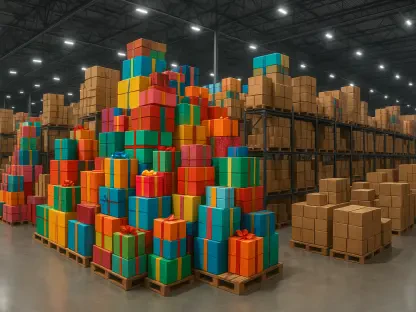
The logistics landscape is also being shaped by a move from nearshoring production to the relocation of storage. To safeguard against global disruptions, firms are building massive inventories within European Union borders, particularly in Central and Eastern Europe. Poland, the Czech Republic, and Romania have become the primary beneficiaries of this trend, with warehouse demand in Poland reaching its highest level in several years. The e-commerce sector alone has leased over 800,000 square meters of space in the first half of 2026, signaling a massive shift in how inventory is positioned to meet European consumer demand.
These facilities are no longer just for storage; they have evolved into hubs for value-added services such as co-packing and retail preparation. This ensures that goods are on the ground and ready for rapid road distribution, effectively bypassing the risks of mid-season shipping delays and maritime congestion. The shift suggests that the physical proximity of inventory has become more valuable than the theoretical efficiency of offshore production. By moving the storage closer to the end consumer, companies can react more quickly to market trends and mitigate the risks associated with long-haul transport.
Technological and Economic Drivers Shaping the Future
Emerging trends suggest that the integration of advanced data analytics and Artificial Intelligence is now the primary differentiator for logistics providers. There is a clear shift toward predictive logistics, where companies use machine learning to anticipate disruptions before they occur. By analyzing weather patterns, geopolitical signals, and port performance data, firms can reroute shipments before they become stuck in a bottleneck. This technological evolution is expected to accelerate from 2026 to 2028, leading to a more autonomous and responsive global supply chain. The ability to process vast amounts of data in real time is becoming a prerequisite for competing in the high-stakes world of international freight.
Economically, the redirection of Chinese exports from North American markets toward Europe and Latin America will likely persist, driven by shifting trade policies and regional growth disparities. The Central and Eastern European region will continue to outpace Western Europe in logistics growth, fueled by robust internal consumption and its strategic position as a storage buffer for the continent. Furthermore, the transition to green fuels and carbon-neutral shipping is introducing new regulatory complexities. These environmental mandates are expected to introduce significant cost pressures by 2027, forcing a re-evaluation of long-haul freight costs and encouraging a further move toward more efficient, multi-modal transport solutions.
Strategic Recommendations for a Resilient Supply Chain
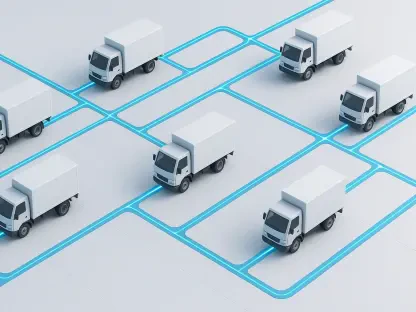
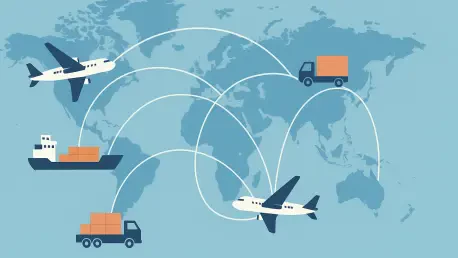
The major takeaway from the current shift is the erosion of the one-size-fits-all logistics strategy. To navigate the complexities of 2026, businesses should adopt a multi-modal approach that balances the cost-efficiency of sea freight with the speed of rail and air. Diversifying the carrier base and utilizing multiple points of entry into key markets can prevent a single failure in the transport chain from halting operations. Securing rail and air capacity months in advance is no longer a luxury but a fundamental necessity for maintaining a consistent flow of goods.
Actionable strategies include transitioning from individual parcel shipping to bulk inland storage to mitigate the impact of changing customs regulations. For professionals, the focus should be on enhancing end-to-end visibility and investing in regional warehouse partnerships in stable markets. By maintaining local inventory and utilizing sophisticated customs management, companies can ensure they are not caught off guard by the next inevitable geopolitical or environmental disruption. Strategic agility, supported by robust local infrastructure and advanced technological tools, is now the most critical asset in a company’s logistical portfolio.
Concluding Thoughts on the Flight to Stability
The transformation of global logistics leading through 2026 reflected a broader flight to stability in an era of constant change. From the flattening of shipping peaks to the rise of AI-driven air cargo and the strategic importance of regional storage hubs, the industry prioritized robustness over mere speed. This transition remained significant because the ability to adapt to high-cost, high-uncertainty environments became a fundamental requirement for survival. The most successful organizations were those that viewed logistics not as a back-office expense, but as a dynamic, strategic asset capable of absorbing shocks and seizing new market opportunities. The shift toward a multi-modal, localized infrastructure provided the necessary cushion against the volatility that defined the mid-decade economy.
Looking forward, the industry moved beyond simple transport toward a model of integrated strategic consultancy. The focus shifted to building supply chains that were not only fast but also deeply resilient and environmentally conscious. The investments made in data analytics and regional warehousing created a new baseline for operational excellence. Businesses that embraced these changes found themselves better positioned to handle the complexities of a fragmented global trade environment. Ultimately, the lessons learned during this period established a more mature and durable framework for international commerce, ensuring that stability was no longer an accident of geography but a result of deliberate strategic design.