
Introduction to Vehicle Routing and Scheduling Technology
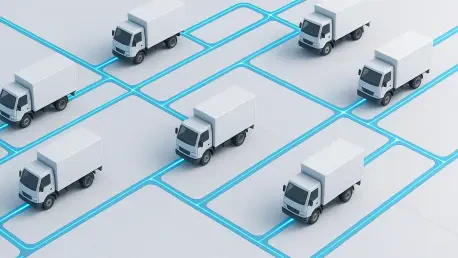
Navigating the chaotic labyrinth of global logistics requires more than just a map; it demands a sophisticated digital architect capable of recalculating thousands of variables in milliseconds. Vehicle Routing and Scheduling (VRS) has transitioned from a back-office utility to a critical driver of operational resilience by leveraging mathematical optimization to minimize mileage. This evolution marks a shift from rigid plans to fluid networks that respond to disruptions immediately. Within the broader digital transformation, VRS acts as the primary mechanism for converting raw data into profitable movement.
Core Technical Components and Features
Advanced Optimization Algorithms: Powering Efficiency
Optimization algorithms solve multi-dimensional puzzles involving vehicle capacity and driver hours. These engines balance cost reduction with delivery speed by processing constraints that would overwhelm manual planning, ensuring every mile driven contributes to the bottom line.
AI-Powered Decision Support Systems: Reducing Noise
Integration of Artificial Intelligence filters out operational noise and automates routine tasks. This implementation is unique because it shifts the human role from data entry to strategic oversight, identifying patterns that improve future scheduling accuracy.
Real-Time Fleet Monitoring and Execution: Live Syncing
Syncing with telematics provides live visibility for on-the-fly schedule adjustments. This technical connectivity ensures that theoretical plans match actual execution, meeting the high expectations of customers demanding precision.
Emerging Trends and Market Innovations
A pivot toward AI agents and generative interfaces is simplifying human-machine interaction. Solutions like ORTEC provide trusted systems that offer actionable insights rather than overwhelming dispatchers with data. This transition is vital in high-pressure environments where adaptive management is required to handle diverse delivery models. Recognition by firms like Gartner highlights the importance of these tools in maintaining supply chain continuity.
Industrial Applications and Diverse Use Cases
VRS is deployed across last-mile delivery to manage varied models and short lead times effectively. Specialized sectors use these tools to adhere to strict regulatory constraints. Organizations using sophisticated routing manage complexity better, maintaining consistency even during regional disruptions. This adaptability allows firms to scale operations without a proportional increase in logistical overhead.
Current Challenges and Implementation Barriers
Integrating VRS with legacy software remains a technical hurdle for many firms. There is also a significant learning curve as dispatchers transition to automated workflows. Regulatory pressures, especially regarding emissions mandates, force companies to optimize for carbon footprints alongside traditional metrics. Overcoming these obstacles requires a strategic approach to change management and deep technical configuration.
Future Outlook and Strategic Development
The trajectory points toward fully autonomous, self-healing supply chain networks. Breakthroughs in quantum computing from 2026 to 2029 could allow for near-instantaneous solving of routing problems. Long-term, these advancements will turn sustainability into a competitive advantage by slashing carbon emissions through hyper-efficient resource allocation. The role of the human planner will continue to evolve toward oversight of these increasingly automated landscapes.
Final Assessment and Summary
The review of contemporary routing frameworks showed that these systems were no longer optional for high-speed commerce. To maintain a competitive edge, organizations prioritized the transition toward AI-centric optimization to buffer against global unpredictability. Businesses that successfully integrated these systems moved closer to achieving zero-emission targets. Ultimately, intelligent routing served as the primary backbone for a resilient global trade network.