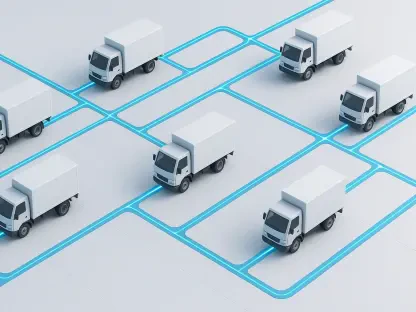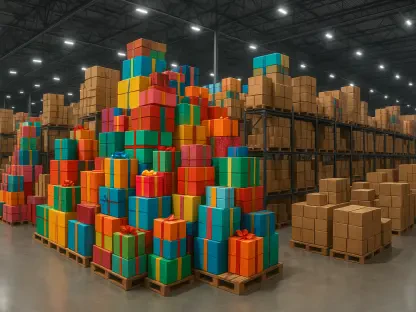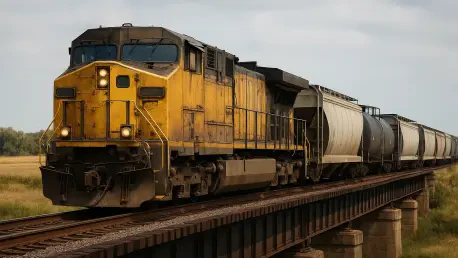

Norfolk Southern and CSX manage a complex intake of paper products and chemicals, illustrating the high degree of inter-line cooperation. In the current landscape of late 2026, the North American freight rail industry is increasingly defined by its ability to synchronize these diverse cargo types across a vast geographic expanse. According to recent data from the STB Railroad Service Metrics, containerized traffic has solidified its role as the primary driver of carload volume for major carriers. BNSF emerged as the clear leader in total volume, reporting over 204,000 carloads, while Union Pacific and Norfolk Southern followed as the next most active participants in this high-capacity market. This operational snapshot underscores a system that must balance traditional commodity transport with the rapid growth of intermodal logistics. As railroads navigate this shift, the efficiency of their networks depends on a seamless integration of originated and received freight patterns.
The Evolution of Intermodal Network Dynamics
Scaling Containerized Logistics and Market Share
The dominance of intermodal transport, specifically within the container segment, represents a fundamental pivot in railroad strategy. BNSF led this specific sector with a remarkable 104,578 originated containers, demonstrating a robust capability to handle the complexities of containerized logistics. This high-volume activity reflects a broader industry trend where the flexibility of containers is preferred for a wide variety of goods, ranging from retail products to essential industrial components. Union Pacific and Norfolk Southern have also reported significant activity in this area, reinforcing the notion that the rail market is no longer solely reliant on bulk shipments. The push toward intermodal growth is driven by the need for speed and reliability in a supply chain that demands precision. By prioritizing containerized freight, railroads are able to compete more effectively with long-haul trucking, providing a cost-effective and environmentally friendly alternative.
While originated containers often receive the most attention, the data regarding received freight provides an equally important perspective on the interconnected nature of the modern rail network. The flow of goods between major carriers requires a high level of operational coordination, especially as intermodal traffic continues to scale. Canadian National and CPKC have played vital roles in this cross-border and regional exchange, ensuring that the movement of containers remains fluid across the diverse North American landscape. This logistical synergy is essential for maintaining the health of the freight system, as it allows individual carriers to leverage their regional strengths while contributing to a unified national network. The ability to manage large volumes of received containers without bottlenecking indicates that current infrastructure investments are successfully addressing the demands of increased traffic. This collaborative approach ensures that the rail market remains resilient.
Managing Interconnected Freight Flows
Beyond the high-profile container numbers, the rail industry maintains its structural integrity through the consistent transport of industrial materials. Metallic ores, crushed stone, and gravel represent significant volume blocks that require specialized handling and dedicated routes. Canadian National showed substantial strength in the metallic ore segment, while Union Pacific maintained heavy origination for construction materials like sand and gravel. These commodities are often less volatile than consumer goods, providing a stable revenue stream that supports the ongoing maintenance of the rail infrastructure. The diversity of these shipments highlights the multi-functional nature of the Class I railroads, which must cater to both the construction and manufacturing sectors simultaneously. Managing such a varied portfolio of materials requires a sophisticated allocation of locomotives and crew resources to ensure that no single sector experiences delays.
The complexity of the network is further illustrated by the movement of petroleum products, food items, and industrial waste. Each of these categories requires distinct logistical considerations, from the specialized tank cars used for petroleum to the temperature-controlled units necessary for food products. The “received” data for these commodities reveals how carriers like Norfolk Southern and CSX act as critical links in the supply chain, taking over shipments from other lines to reach final destinations in the Eastern United States. This inter-line cooperation is the backbone of the North American economy, as it allows for the efficient distribution of goods across thousands of miles. By analyzing the interplay between originated and received carloads, industry experts can better understand the shifting centers of industrial production and consumption. This holistic view of freight movement is essential for future planning.
Diversifying Resource Management for Industrial Stability
The Critical Role of Energy and Chemical Supply
Despite the surge in containerization, coal and chemicals remain the foundational pillars of non-container freight, providing a steady baseline of volume for several Class I railroads. BNSF and Union Pacific maintained high coal origination numbers, reflecting the continued importance of energy commodities in the domestic industrial sector. In the chemical sector, Union Pacific led the industry by originating over 18,000 carloads, highlighting a specialized expertise in transporting materials critical for manufacturing and agricultural production. The transport of these heavy, bulk materials requires specialized equipment and rigorous safety protocols, which remains a core competency for traditional rail operators. Furthermore, the handling of metallic ores and the movement of construction materials demonstrate that the rail freight market is far more than a single-commodity system but a multifaceted machine that powers the broader economy.
The efficiency of chemical transport is particularly indicative of the overall health of the rail network, as these shipments are often time-sensitive and require precise handling. Union Pacific’s leadership in this area suggests a strategic focus on high-value industrial materials that complement their intermodal growth. Similarly, the continued reliance on coal for certain power generation needs ensures that railroads maintain high-volume bulk capacity even as they modernize their fleets for containerized cargo. This duality in freight operations—managing both the modern intermodal surge and the traditional bulk requirements—is the defining challenge of the current era. Carriers that can successfully navigate these competing priorities are better positioned to maintain profitability in a fluctuating economic climate. The ability to pivot between different commodity types based on seasonal demand is a key competitive advantage.
Strategic Resource Management and Infrastructure
The logistical landscape of late 2026 proved that success was dependent on a carrier’s ability to balance legacy bulk shipments with the fast-paced growth of intermodal corridors. Industry leaders recognized that infrastructure upgrades had to prioritize multi-modal flexibility to accommodate the rising demand for containerized logistics. This shift necessitated a strategic reinvestment in terminal capacity and automated sorting systems, which effectively reduced dwell times and improved overall network velocity. Carriers that successfully integrated advanced tracking technologies were able to offer shippers greater transparency, thereby securing long-term contracts in a competitive market. Moving forward, the focus shifted toward expanding these intermodal hubs into underserved regional markets to capture a broader share of the logistics economy. By analyzing the October data, stakeholders identified that the future of rail freight rested on a hybridized model that valued both bulk reliability and container agility.
Geographical specialization continued to play a major role in how railroads allocated their resources to maximize efficiency. Western railroads like BNSF and Union Pacific remained heavily focused on grain shipments, serving as the primary link between the agricultural heartland and international export markets. In contrast, Eastern carriers like Norfolk Southern and CSX concentrated their efforts on the automotive sector, transporting motor vehicles and equipment to major population centers. This regional division allowed carriers to optimize their infrastructure for specific commodity types, such as high-clearance tunnels for multi-level auto carriers or heavy-haul tracks for grain hoppers. The industry moved toward a more integrated planning approach, where regional strengths were leveraged to improve the overall speed of the national network. This strategy ensured that the rail system remained the most efficient method for moving large volumes of diverse freight across the continent.