
The intricate web of the United Kingdom’s supply chain faces a critical juncture as industry executives demand that the newly appointed Prime Minister elevate freight transport to the top of the legislative agenda. For too long, the movement of goods has been treated as a secondary consideration in national planning, despite the fact that every sector of the British economy relies on the efficiency of road, rail, air, and sea connectivity. Industry leaders emphasize that without a dedicated ministerial focus, the nation risks falling behind global competitors who are already investing heavily in automated corridors and green energy hubs. The current landscape is defined by rising operational costs and a fragmented regulatory framework that hampers long-term investment. By establishing a clear, multi-modal strategy, the government can unlock significant private capital and ensure that the flow of essential commodities remains resilient against geopolitical shifts and economic volatility.
Modernizing Infrastructure and Technological Integration
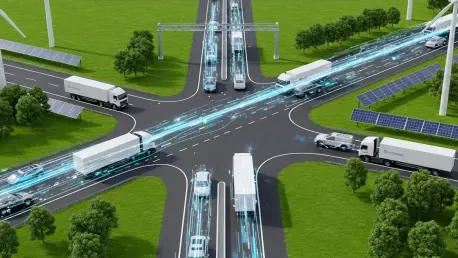
A primary concern for the logistics sector involves the modernization of aging infrastructure that currently restricts the efficient movement of heavy goods vehicles and rail freight across the country. Advocates suggest that the government must prioritize the creation of a National Freight Network, which would designate specific routes for priority goods movement to bypass urban congestion. This initiative requires an overhaul of key arterial roads and the expansion of rail gauges to accommodate larger shipping containers directly from deep-sea ports. Furthermore, the lack of secure and high-quality roadside facilities for drivers has led to a persistent labor shortage, making the profession less attractive to a younger demographic. Addressing these physical bottlenecks is a fundamental requirement for maintaining the nation’s status as a global trading hub. Strategic investment in bypasses and bridge reinforcements would facilitate the use of more efficient trailers, ultimately reducing the total number of vehicles required on the road.
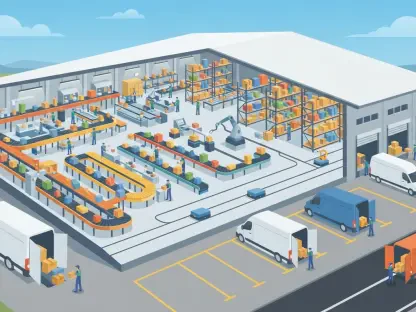
Building on physical infrastructure, the integration of digital twins and real-time data analytics offers a transformative opportunity to optimize port-to-door deliveries. Logistics firms are calling for a national data standard that allows different transport modes to communicate seamlessly, reducing the downtime often found at intermodal transfer points. When rail schedules are synchronized with port arrivals through predictive AI, the efficiency of the entire supply chain increases exponentially. This technological shift also necessitates a robust cybersecurity framework to protect critical trade data from emerging threats. Moreover, the government could incentivize the adoption of smart warehousing solutions that utilize robotics to manage inventory more effectively during peak demand periods. By fostering an environment where technology and physical assets work in tandem, the administration can help businesses lower their overheads. Such advancements are crucial for mitigating the inflationary pressures that often arise from logistical delays and inefficient routing.
Strategic Directives for Sustainability and Global Trade
The transition toward a net-zero economy represented a significant hurdle that required decisive legislative action to support the adoption of alternative fuels across the freight industry. Stakeholders recognized that the absence of a comprehensive charging network for heavy goods vehicles hindered the widespread deployment of electric fleets. Consequently, the strategy prioritized the development of hydrogen refueling stations and high-capacity electric hubs along major motorways to provide the necessary reliability for long-haul transport from 2026 to 2030. Legislative frameworks were adjusted to offer tax credits for companies investing in zero-emission maritime technologies and cleaner aviation fuels. This shift was supported by research into modular battery-swapping systems that reduced the downtime associated with charging. By aligning environmental goals with commercial realities, the policy framework encouraged private enterprises to retire older vehicles in favor of sustainable alternatives. These efforts were instrumental in positioning the nation as a leader.
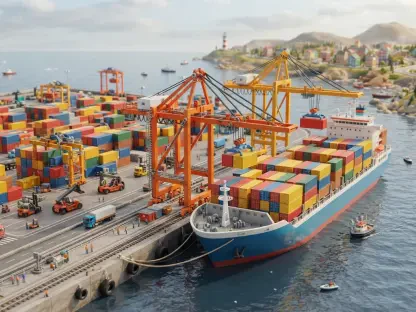
Ultimately, the roadmap for future resilience focused on the simplification of customs procedures and the enhancement of cross-border trade efficiency through digital integration. Policymakers introduced a Single Trade Window that streamlined the submission of import and export documentation, which effectively lowered the administrative costs for international traders. This approach was complemented by the establishment of regional logistics hubs that redistributed freight traffic more evenly across the nation’s port infrastructure. Experts recommended that these hubs serve as centers for workforce development, offering specialized training in automated systems and green technology maintenance. The strategy also addressed the need for diversified supply chains to mitigate the risks of global disruptions. By implementing these specific measures, the administration provided a clear path toward economic stability and enhanced competitiveness on the world stage. These actions ensured that the logistics sector remained a robust driver of national prosperity.