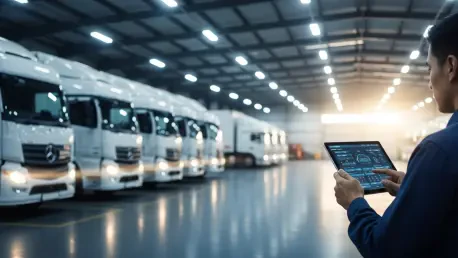

The sudden collapse of trade through the Strait of Hormuz has essentially paralyzed a quarter of the world’s seaborne energy transit, proving that even the most advanced predictive algorithms are often helpless against the brutal reality of physical blockades. This critical waterway currently

The swift transformation of American metropolitan transit systems is effectively dismantling the long-standing reliance on single-occupancy vehicles in favor of interconnected rail corridors. As urban centers navigate the complexities of population growth and traffic congestion, the recent
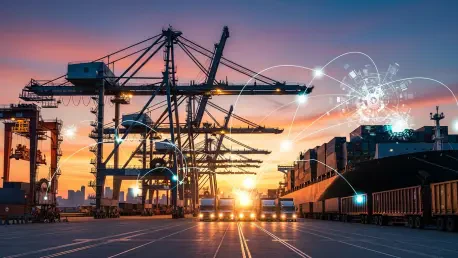
American shipping corridors are currently facing an unprecedented level of complexity as the intersection of rising fuel prices and labor shortages forces carriers to re-evaluate their traditional operational strategies. Despite the availability of modern tracking tools, the lack of a unified
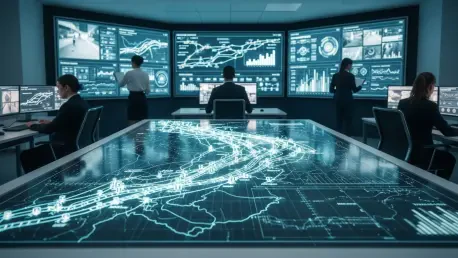
The global rail industry is currently grappling with the immense pressure of maintaining aging infrastructure while simultaneously meeting the rigorous demands of high-frequency modern logistics. The shift toward Unified Rail Infrastructure Management marks a definitive departure from the archaic,
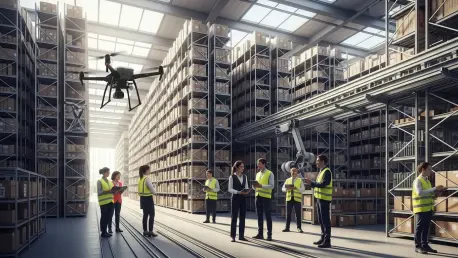
The contemporary industrial landscape is currently grappling with a relentless combination of volatility, uncertainty, complexity, and ambiguity that has fundamentally altered how goods move across the globe. For supply chain managers and logistics directors, this reality has necessitated a
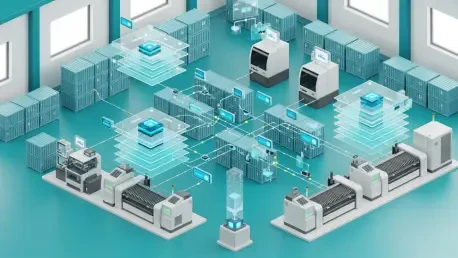
The implementation of sophisticated electronic tracking systems has fundamentally altered how global supply chains operate by providing an unprecedented level of visibility into every stage of the product lifecycle. This shift from manual logging to automated identification marks a significant