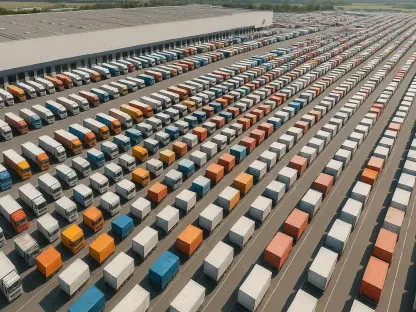

The implementation of sophisticated electronic tracking systems has fundamentally altered how global supply chains operate by providing an unprecedented level of visibility into every stage of the product lifecycle. This shift from manual logging to automated identification marks a significant milestone in industrial efficiency, as businesses no longer rely on sporadic audits to understand their stock levels. Instead, the constant stream of data generated by connected devices allows for a dynamic response to market fluctuations and logistical bottlenecks. Modern facilities now function as living ecosystems where every pallet and individual item communicates its status in real time. This evolution effectively eliminates the traditional lag between physical movements and digital records, ensuring that decision-makers possess accurate information at all times. As the complexity of consumer demands increases, these technological advancements provide the necessary infrastructure to maintain resilience. Furthermore, the integration of these systems reduces the likelihood of human error, which has been a primary cause of inventory discrepancies.
Precision Technologies Reshaping Warehouse Operations
Advanced Radio Frequency Identification (RFID) tags and Bluetooth Low Energy (BLE) beacons represent the current gold standard for tracking goods within high-density storage environments. Unlike traditional barcodes that require a direct line of sight and manual scanning, these electronic identifiers allow for the simultaneous processing of hundreds of items as they pass through transit points. This capability dramatically accelerates the receiving and shipping processes, enabling distribution centers to handle higher volumes without increasing their physical footprint or labor costs. Moreover, the durability of modern electronic tags ensures that tracking remains consistent even in harsh industrial conditions or temperature-controlled environments. By embedding these sensors directly into packaging or pallets, companies gain a granular view of their inventory that extends beyond simple location data to include environmental factors like humidity and vibration. This level of detail is crucial for industries dealing with sensitive electronics.
Building on the foundation of localized sensor data, the Internet of Things (IoT) connects disparate warehouse components into a unified communication network. Automated guided vehicles and robotic pickers now utilize these electronic signals to navigate aisles with surgical precision, reducing the time required to fulfill complex orders. This synergy between tracking hardware and autonomous machinery minimizes downtime, as the system can predict maintenance needs based on the real-time performance data transmitted by each unit. Furthermore, the deployment of smart shelving units equipped with weight sensors provides an additional layer of verification, cross-referencing physical stock with digital records to prevent theft or misplacement. The resulting environment is one where inventory shrinks are minimized and stock accuracy levels frequently reach near-perfection. Consequently, businesses can operate with leaner safety stocks, freeing up capital that would otherwise be tied up in excess inventory.
Strategic Integration of Real-Time Analytics
The massive influx of data generated by electronic tracking systems serves as the primary fuel for sophisticated predictive analytics and machine learning algorithms. By analyzing historical movement patterns and current stock velocities, these platforms can forecast demand with remarkable accuracy, allowing managers to optimize replenishment schedules. This shift from reactive to proactive management ensures that high-demand items are always available while slow-moving products do not occupy valuable shelf space unnecessarily. Additionally, cloud-based dashboards provide stakeholders with a centralized view of the entire supply chain, facilitating better collaboration between manufacturers, distributors, and retailers. This transparency helps in identifying systemic inefficiencies, such as frequent delays at specific transit hubs or recurring damage during particular shipping routes. When these insights are applied, the entire logistics network becomes more resilient, capable of self-correcting when disruptions occur.
To capitalize on these advancements, organizations should have prioritized the transition toward interoperable tracking standards that facilitate seamless data exchange across different platforms. It was essential for technical teams to evaluate the scalability of their existing network infrastructure to ensure it could handle the increased bandwidth requirements of thousands of connected devices. Leaders who focused on rigorous data governance protocols successfully mitigated the risks associated with cybersecurity and maintained the integrity of their proprietary logistics information. Furthermore, investing in workforce upskilling proved to be a decisive factor, as employees needed to move from manual labor roles to positions involving system oversight and data interpretation. By adopting a modular approach to technology implementation, businesses were able to integrate new sensors and software without disrupting ongoing operations. This strategic foresight allowed companies to build a foundation for innovation.