


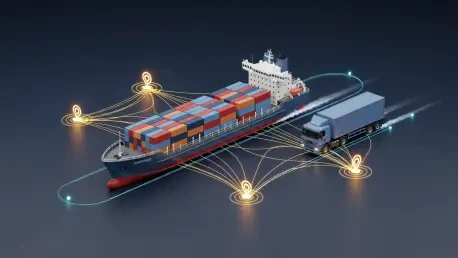

The global freight industry is currently undergoing a radical metamorphosis as the traditional reliance on human-centric dispatching gives way to autonomous systems that possess true operational agency. These advanced digital entities do not merely suggest that a shipment might be late; they actively identify alternative carriers, negotiate new rates, and update customs documentation without requiring a human to click a single button. This shift represents a transition from descriptive analytics to autonomous execution, where AI agents function as specialized workers within the supply chain ecosystem. As businesses grapple with fluctuating fuel prices and geopolitical instability, the ability to delegate complex operational tasks to software that can reason and adapt has become a critical competitive advantage. By moving beyond the static dashboards of the past, companies are now building resilient networks that can self-heal in real-time, ensuring that the flow of goods remains uninterrupted despite the inevitable chaos of international trade and regional distribution.
Autonomous Execution in the Supply Chain
The Core Distinction: Agency Over Automation
The transition toward agentic AI is defined by the integration of Large Action Models (LAMs) that allow software to interact with user interfaces just as a human operator would. Unlike traditional Application Programming Interfaces (APIs) which require rigid, pre-defined connections between systems, LAM-based agents can navigate diverse software environments, from legacy ERP systems to modern freight-matching platforms, to complete multi-step workflows. This capability ensures that the AI can handle the “last mile” of digital tasks, such as filling out a Bill of Lading or resolving a mismatch in a warehouse management system. By understanding the intent behind a command rather than just following a script, these agents manage ambiguity with a level of sophistication that was previously impossible. This technological leap allowed logistics providers to automate the administrative overhead that typically consumes forty percent of a dispatcher’s daily routine, freeing human talent for high-level strategy.
Operational Resilience: Autonomous Rerouting in Practice
Operational resilience has reached new heights as agentic systems now maintain a persistent watch over global logistics data, responding to disruptions within seconds of their occurrence. When a sudden labor strike or a severe weather event closes a primary transit hub, these autonomous agents do not wait for a manual override to begin the recovery process. Instead, they simulate thousands of alternative routing scenarios, evaluating the trade-offs between cost, speed, and carbon emissions before securing the best available spot-market capacity. This level of proactive intervention is particularly vital in the cold chain and pharmaceutical sectors, where even a three-hour delay can result in the total loss of a shipment’s integrity. By utilizing multi-agent systems that communicate with one another across the supply chain, the industry has effectively created a decentralized nervous system that anticipates bottlenecks and mitigates them before they can escalate into systemic failures.
Strategic Impact on Economic Efficiency
Market Dynamics: The Autonomous Brokerage Model
The economic landscape of freight brokerage is also being reshaped as AI agents become active participants in high-frequency price negotiations and load matching. These digital negotiators analyze vast datasets of historical pricing trends, current fuel surcharges, and real-time equipment availability to ensure that every transaction is optimized for the current market reality. For small-to-medium carriers, these agents serve as a powerful equalizer, providing them with the analytical depth and negotiation speed that were once the exclusive domain of global logistics giants. This automation of the bidding process has significantly reduced the bid-to-award cycle time, allowing for more dynamic asset utilization and reducing the prevalence of “deadhead” miles where trucks move without cargo. As agents continuously learn from successful transactions, the accuracy of spot-market pricing has improved, leading to a more transparent and efficient marketplace where value is determined by real-time demand.
Strategic Implementation: Data Hygiene and Interoperability
Logistics organizations successfully moved beyond the experimental phase of agentic AI by prioritizing data hygiene and cross-platform interoperability as their foundational pillars. They recognized that for autonomous agents to function effectively, the underlying data streams had to be cleaned and standardized across the entire enterprise. Companies that invested in robust security protocols for their multi-agent environments mitigated the risks associated with autonomous financial transactions and sensitive shipping data. Leaders also discovered that the most effective implementations paired human expertise with agentic speed, creating a hybrid model where AI handled the volume while humans addressed the most complex ethical and strategic exceptions. Moving forward, the focus remained on refining these digital entities to handle increasingly nuanced regulatory environments and sustainability mandates. This strategic shift ensured that the supply chain became a source of resilience rather than a point of vulnerability in the global economy.


